

Wastewater System Solutions for a Cleaner and Greener Tomorrow
2026-08-11
Every drop of wastewater holds untapped potential for a cleaner, greener future. Yet, outdated systems often turn this resource into a burden. At Sinou, we see things differently—transforming wastewater challenges into sustainable solutions that protect our planet and conserve precious water. In this blog, we’ll explore how innovative treatment technologies can reshape tomorrow’s environment, one system at a time.
Rethinking Wastewater as a Resource for Tomorrow
For too long, we’ve viewed wastewater as a burden—a problem to be flushed away and forgotten. But shift the lens, and a different picture emerges: one where every drop carries not just waste, but energy, nutrients, and even clean water. Homes and industries constantly produce a stream that, if captured wisely, can power our cities, fertilize our soils, and quench our thirst. The transition from linear disposal to circular reuse isn’t just a technical tweak—it’s a fundamental reimagining of our relationship with a daily flow we rarely think about.
The technology to make this leap isn’t science fiction. Modern treatment plants already harness methane from organic sludge, turning a potent greenhouse gas into biogas for heating or electricity. Membranes so fine they block salts and viruses can transform sewage into drinking water that meets—and often exceeds—regulatory standards. Phosphorus, a finite mineral essential for agriculture, can be extracted from the very effluent that would otherwise threaten waterways with algal blooms. All these processes exist; the challenge is stitching them into the fabric of existing infrastructure and making the recovered products cost-competitive with their mined or manufactured counterparts.
Beyond the engineering lies a trickier task: changing minds. Even if water leaves a plant purer than what flows from taps, the ‘yuck factor’ can stall projects. But water scarcity is forcing a rethink. Cities from Singapore to San Diego are already blending purified wastewater into their supplies, often labeling it with a softer name and earning public trust through relentless transparency. Trust is built one glass at a time. As climate uncertainty deepens and aquifers dwindle, the resource we’ve been flushing away may be the key to a more resilient tomorrow—if we let go of outdated disgust and embrace the full value of the water loop.
Smart Treatment Approaches That Work with Nature
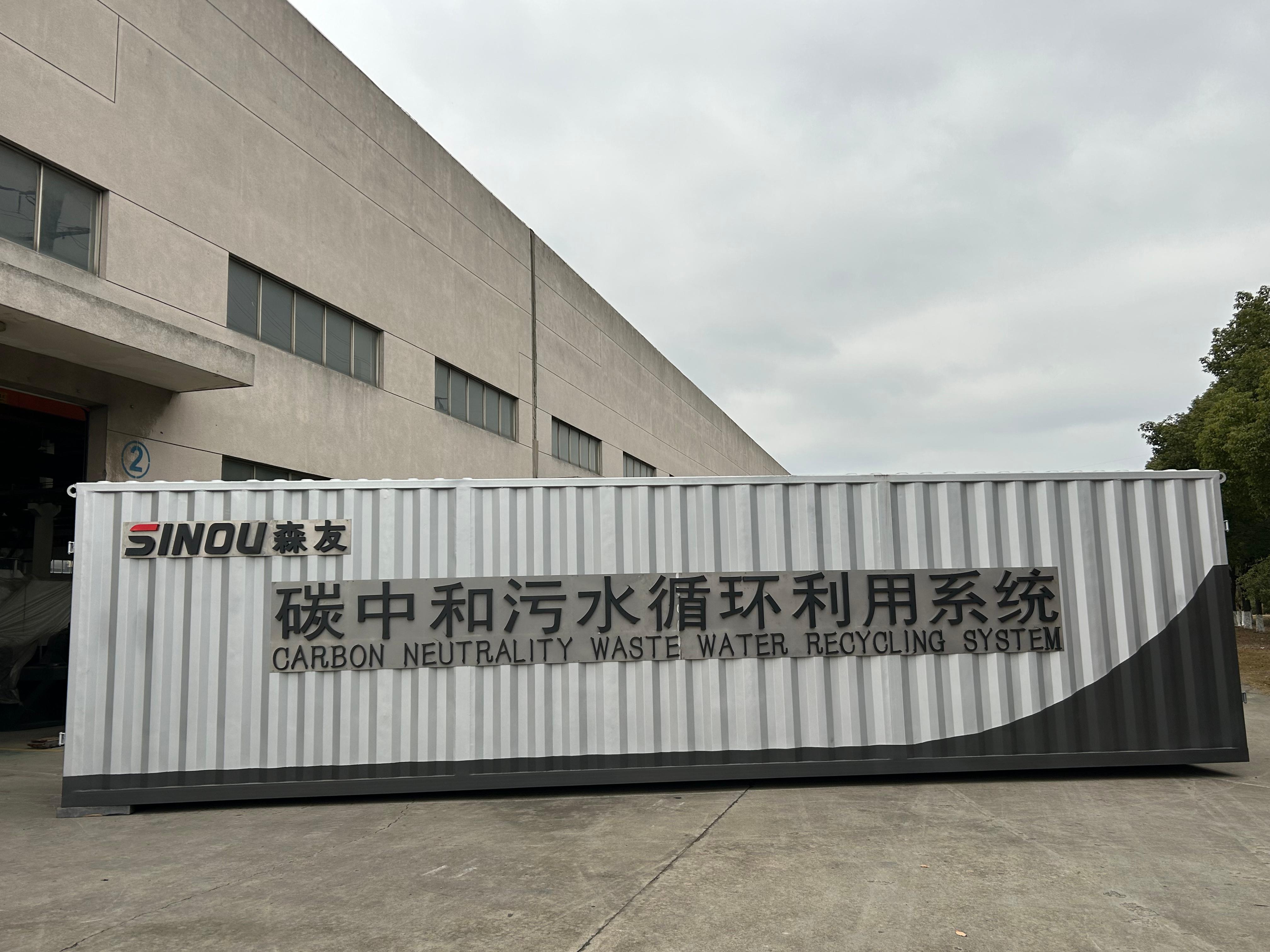
Instead of forcing artificial fixes, smart treatment approaches tap into natural cycles to restore balance. Whether it's constructed wetlands cleaning wastewater or mycelium networks breaking down pollutants, these methods let nature do the heavy lifting. The trick lies in understanding the right conditions—like temperature, pH, or microbial activity—and nudging them just enough to accelerate healing without chemical overload.
In practice, this means designing interventions that mimic or enhance existing ecosystems. For instance, floating gardens on urban rivers filter runoff while providing habitat, and biochar added to soil locks in carbon while enriching microbial life. Such solutions often emerge from close observation of how a healthy system self-regulates, then reapplying those principles in a targeted way.
What sets these approaches apart is their adaptability. A single blueprint rarely fits all sites; instead, you adjust the blend of plants, microbes, and physical structures to match local conditions. The result is a resilient, low-maintenance process that not only resolves the immediate issue but also strengthens the surrounding environment.
Energy-Efficient Processes Powering Cleaner Water
Traditional water treatment often guzzles energy, but a quiet shift is underway. Newer systems are being designed from the ground up to slash power consumption while delivering purer water. Take membrane filtration: by tweaking membrane chemistry and using low-pressure designs, we can now achieve the same removal of contaminants with a fraction of the electricity. Some setups even harness the natural force of gravity, eliminating pumps entirely and letting water flow through a series of precisely engineered barriers.
Another avenue is biological treatment that mimics nature's own purification cycles. Engineered wetlands and biofilm reactors use bacteria and plants to break down pollutants without the need for energy-hungry aeration. At the cutting edge, electrochemical methods powered by solar panels zap stubborn chemicals like pharmaceuticals and pesticides directly, without producing harmful byproducts. These innovations aren't just about efficiency—they're reshaping how communities think about access to safe water, especially in regions where both water and energy are scarce.
How Innovative Designs Tackle Emerging Contaminants
As industries evolve and new chemicals enter production cycles, the list of emerging contaminants—like pharmaceuticals, personal care products, and microplastics—continues to grow, presenting unique challenges for conventional water treatment systems. Innovative design approaches are now targeting these elusive pollutants at their source, integrating advanced oxidation processes that deploy UV light with hydrogen peroxide or ozone to dismantle complex molecular structures. By generating highly reactive hydroxyl radicals, these setups break down contaminants into harmless compounds without leaving toxic byproducts, all within increasingly compact and energy-efficient footprints.
Another compelling shift is seen in the adoption of biomimicry and nature-based solutions. Engineered wetlands and biofiltration systems, for instance, harness the metabolic capabilities of plants, bacteria, and fungi to metabolize pharmaceuticals and endocrine disruptors. These living architectures are being woven into urban landscapes, treating greywater on-site before it reaches centralized facilities. Meanwhile, nanotechnology-driven membranes with tailored pore sizes and surface charges are enhancing selectivity, allowing water to pass while capturing nanoplastics and dissolved organics—a leap beyond traditional filtration.
The most transformative designs, however, think beyond single-point interventions. Integrated treatment chains now combine real-time sensors with adaptive controls, allowing systems to switch between techniques based on incoming water quality. For example, a modular unit might first engage electrocoagulation to clump microplastics, then pivot to photocatalytic degradation when pharmaceutical traces spike. Such responsiveness not only boosts removal efficiency but also reduces chemical and energy use, pointing toward a future where decentralized, intelligent systems safeguard water supplies against an ever-changing spectrum of contaminants.
Building Resilient Systems for Changing Climates
As weather patterns grow increasingly erratic, the old assumption that we can build once and simply maintain no longer holds. Infrastructure and communities now face stresses that weren't on the drawing board a generation ago—stronger storm surges, prolonged droughts, and temperature swings that push materials beyond their limits. Designing for resilience means accepting uncertainty as a core parameter, not an afterthought. It requires shifting from static defenses to adaptive systems that absorb shocks, degrade gracefully, and recover quickly. This begins with honest risk assessments that look beyond historical data, embracing climate projections and learning from places already on the front lines.
Practical solutions span scales. At the local level, permeable pavements, restored wetlands, and urban tree canopies do more than just manage stormwater—they cool neighborhoods and support biodiversity. On larger grids, decentralized energy sources like microgrids paired with batteries keep critical services running when centralized lines fail. Materials science offers another layer: self-healing concrete, reflective coatings, and flexible pipe joints that move with the ground. Equally important are the social layers—early warning networks maintained by residents, community food hubs that buffer supply disruptions, and design codes that preserve multiple evacuation routes. These strategies share a common thread: redundancy and diversity spread risk, so failure in one component doesn’t cascade into catastrophe.
Community-Scale Solutions with Lasting Impact
Change that endures rarely comes from top-down mandates alone—it grows when neighborhoods, local groups, and small towns shape their own futures. By weaving together local knowledge, shared resources, and practical know-how, community-scale solutions turn everyday spaces into engines of progress. A vacant lot becomes a cooperative garden, a neglected storefront transforms into a skill-sharing hub, and a creek restoration project doubles as an outdoor classroom. These efforts feel less like “development” and more like neighbors simply building the world they want to live in.
What sets these initiatives apart is their ability to ripple outward. A single successful project often sparks others—when people see that solar panels on a community center cut energy bills and create local jobs, nearby towns take notice. The beauty lies in replication without rigidity: each community adapts the core idea to fit its culture, climate, and character. Over time, this creates a quiet, distributed resilience that no single policy could engineer. The people involved aren’t just beneficiaries; they’re the designers, maintainers, and champions of change.
Measuring impact here goes beyond numbers. Yes, you can count the kilowatts generated or the tonnes of food grown, but the deeper shifts are in relationships and confidence. A person who helps install a rainwater harvesting system starts viewing themselves as a problem-solver. A teenager who mentors younger kids in a community tech lab begins to see a future in their hometown. These intangible returns build a foundation that outlasts any single project cycle, proving that lasting change is rooted in the soil of everyday collaboration.
FAQ
A modern system typically includes primary treatment for solid removal, secondary biological treatment to break down organic matter, and tertiary processes for nutrient removal and disinfection, often enhanced by real-time monitoring.
They reduce pollution in receiving waters, enable water reuse for irrigation or industrial cooling, and can recover resources like energy from biogas or nutrients for fertilizers.
Smart sensors and automation allow precise control of chemical dosing, reduce energy consumption, and provide early warning of system upsets, leading to more reliable and efficient operations.
Yes, package treatment plants or constructed wetlands can serve rural areas without extensive sewer networks, offering low-maintenance and cost-effective options that protect local water sources.
Proper treatment eliminates pathogens like bacteria and viruses, preventing waterborne diseases and ensuring that recreational waters and drinking supplies remain safe.
Industrial streams often contain heavy metals or specific chemicals, requiring tailored solutions like chemical precipitation, membrane filtration, or specialized bioreactors to meet discharge standards.
Removing nitrogen and phosphorus prevents algal blooms and oxygen depletion in lakes and rivers, preserving aquatic ecosystems and biodiversity.
By incorporating anaerobic digestion to produce biogas, optimizing aeration processes, and using high-efficiency pumps, treatment plants can significantly lower their carbon footprint.
Conclusion
The way we manage wastewater has reached a turning point. Instead of treating it as waste to be disposed of, communities are beginning to see it as a valuable resource that can be reclaimed for irrigation, energy production, and even potable reuse. This shift in thinking is driving the adoption of treatment methods that work with nature rather than against it—technologies like constructed wetlands, advanced biofiltration, and algae-based systems quietly purify water while restoring habitats. At the same time, the push for energy-efficient processes is transforming treatment plants from power-hungry operations into net energy producers, using anaerobic digestion and on-site renewable energy to turn organic matter into biogas and clean water simultaneously.
Yet today’s challenges call for even more imaginative approaches. Emerging contaminants such as pharmaceuticals and microplastics demand innovative designs—membrane systems, advanced oxidation, and modular reactors capable of targeting pollutants at trace levels. Meanwhile, climate uncertainty forces us to build resilience into every infrastructure project, designing systems that can withstand floods, droughts, and rising sea levels. The most lasting impact often comes from decentralized, community-scale solutions tailored to local needs—small plants that serve specific neighborhoods or remote areas, combining efficiency with ownership. Together, these strategies weave a new narrative: one where every drop of wastewater contains the potential for a cleaner, greener future.
Contact Us
Contact Person: HaiYan
Email: [email protected]
Tel/WhatsApp: +86 18957325588
Website: https://www.senyoubeton.com/