

UL FM Post Indicator Valve (PIV) Top 10 Picks for Superior Fire Safety
2026-07-30
When it comes to safeguarding critical infrastructure, few components are as vital as the UL FM Post Indicator Valve (PIV)—a silent sentinel in fire protection systems. Yet not all PIVs are created equal, and choosing the right one can mean the difference between a close call and a catastrophe. That’s where DRIFCO steps in, with a curated list of top-tier valves engineered for uncompromising performance. Whether you’re upgrading an aging system or specifying for a new build, these picks blend rugged reliability with cutting-edge design. Let’s dive into the ten standouts that redefine superior fire safety.
Decoding the UL and FM Labels: More Than Just Stickers
At first glance, the UL and FM labels on a product might seem like mere formalities—tiny metal badges or printed stickers that add nothing but cost. But peel back that assumption, and you'll find they represent a rigorous gauntlet of testing and verification. These marks are earned, not given, and they signal that a device or component has been pushed to its limits under conditions that mimic real-world extremes. Whether it's a fire pump, a circuit breaker, or an industrial valve, the presence of these labels tells installers, inspectors, and end users that someone has already asked the hard questions about how this thing behaves when things go wrong.
UL (Underwriters Laboratories) focuses primarily on life safety and the risk of electric shock, fire, and mechanical hazards. Their testing often dives deep into electrical insulation, endurance, and failure modes that could harm people. FM (Factory Mutual), by contrast, leans heavily into property protection and loss prevention—especially for industrial and commercial settings. They're obsessed with how a product performs when surrounded by fire, water, or chaos, and they demand that it helps contain damage rather than contribute to it. The two labels complement each other: one guards the person, the other guards the building.
Beyond the technicalities, these labels simplify a complex world for the people who have to make rapid decisions in the field. A contractor on a tight schedule can spot a UL-listed panel and know it'll pass the electrical inspection, while a facilities manager choosing sprinkler heads gains peace of mind from an FM Approved stamp. They're shorthand for due diligence, a quiet assurance that a third party—with no stake in the product's sales—has validated its claims. In an age of endless product options and marketing noise, that silent vote of confidence is worth more than the metal it's stamped on.
The Hidden Costs of a Cheap PIV: When Saving Money Backfires
Scrimping on a PIV system might seem like a smart budget move—until the first breach happens. A low-cost solution often skimps on encryption standards or lacks robust authentication protocols, leaving sensitive data exposed. What feels like a bargain quickly turns into a liability, with repair costs dwarfing any upfront savings.
Beyond the obvious security gaps, cheap PIV implementations tend to buckle under real-world demands. Hardware tokens fail early, software integrations create constant friction, and your team ends up drowning in manual workarounds. That “affordable” price tag rarely accounts for the hours lost diagnosing faults or the productivity drain when access systems go down.
Then there’s the reputational fallout nobody budgets for. Clients and partners trust you to handle credentials responsibly—a single compromise can unravel years of goodwill. When audits uncover subpar identity management, fines and compliance headaches pile up fast. Suddenly, the true cost of that cut-rate PIV isn’t measured in dollars, but in shattered trust and missed opportunities.
Material Choices That Outlast the Elements: Cast Iron vs. Stainless Steel
When durability is measured in decades rather than years, the conversation almost always circles back to cast iron and stainless steel. Both materials have carved out reputations for standing up to harsh conditions, but they handle the elements in fundamentally different ways. Cast iron, with its thick, heavy walls and tendency to develop a protective layer of surface oxidation, thrives in applications where thermal mass and resistance to deformation under load matter most. It laughs off the freeze-thaw cycles that crack lesser metals, and its very weight becomes an asset in anchoring structures firmly in place. Stainless steel, on the other hand, takes a more elegant approach: its chromium content creates an invisible, self-healing passive layer that shuts out moisture and corrosive chemicals at the molecular level. That invisible shield means it can shrug off salty air, acidic rain, and industrial pollutants that would etch deeper into other alloys.
In practice, the choice often comes down to the specific battle a material must fight. For outdoor cookware and architectural gratings, cast iron’s ability to build a seasoning or stable rust bloom can actually improve performance and appearance over time, essentially letting the metal grow a custom armor from its own corrosion byproducts. It’s a slow, predictable maturation that owners can manage with minimal maintenance. Stainless steel resists the idea of cosmetic aging altogether; it wants to stay bright and unblemished with little more than an occasional wash. That low-maintenance shine makes it the default for marine hardware, medical tools, and food processing equipment where hygiene and cleanability are non-negotiable. Yet in static, fire-exposed settings like wood stoves or engine blocks, cast iron still reigns—it won’t warp or scale excessively even when temperatures jump by hundreds of degrees, a testament to its raw thermal stability.
Of course, longevity isn’t just about surviving the weather; it’s about how the material fails when it finally does give way. Cast iron tends to crack rather than bend, a brittle end that signals replacement long before a catastrophic collapse. Stainless steel is more forgiving, deforming gradually and visibly under extreme stress, often buying time for inspection. When it comes to joining and repair, stainless offers the advantage of weldability without complex preheating, while cast iron demands skilled hands and a slower, more deliberate process. Ultimately, both materials have earned their place in the long-haul toolkit—one by absorbing nature’s punishment and growing stronger for it, the other by gracefully deflecting it outright. The real durability secret lies not in choosing a universal winner, but in matching the material’s defense mechanism to the exact environmental assault it will face.
How One Simple Feature Can Prevent Catastrophic Freeze Damage
Every winter, homeowners in colder climates brace themselves for the dreaded freeze damage. A single burst pipe or cracked valve can unleash thousands of dollars in water destruction, often within hours. The culprit is simple physics: water expands as it freezes, creating pressure that overwhelms even robust metal or PVC components. For decades, people have relied on messy insulation wraps and frantic last-minute heating, but these band-aid fixes leave huge margins for error.
What if a tiny mechanical or sensor-driven feature could stop the problem before it starts? The answer lies in automatic freeze protection—a seamless integration that monitors ambient or internal system temperatures and triggers a controlled relief action when readings approach freezing. Unlike manual interventions, this feature doesn’t wait for a weather alert or rely on someone being home. It quietly cracks open a valve, initiates a drip cycle, or powers on a low‑wattage element the moment danger is sensed. No panicked calls, no guesswork.
The beauty is in its set‑and‑forget reliability. Once installed, the freeze‑protection mechanism runs silently in the background, costing pennies a year to operate yet guarding against catastrophes that can exceed a home’s entire plumbing budget. Real‑world stories pile up: families returning from vacation to find untouched interiors while unprotected neighbors face saturated drywall and ruined belongings. One simple feature—often overlooked during installation—transforms a vulnerable system into a fortress against winter’s worst.
Installation Screw-Ups Even Pros Make (And How to Avoid Them)
Even seasoned installers can get tripped up by the basics. One common blunder is skipping the dry fit. You’ve measured, you’ve cut, and you’re sure everything lines up—until you glue it and realize a pipe is a half-inch short or a fitting is just slightly off-angle. The fix is simple: always assemble the whole run without adhesive first, mark alignment points, and only then break out the cement. It adds ten minutes but saves hours of rework and a pile of wasted material.
Another silent project-killer is ignoring thermal expansion, especially with long runs of plastic piping. Pros know it moves, yet in the rush to finish they’ll anchor every bracket like it’s steel, only to come back months later to a warped, creaking mess. Leave intentional slack, use proper expansion loops, and don’t clamp every hanger rigidly—let the pipe breathe. Your future self (and the homeowner) won’t have to endure midnight cracking sounds or callbacks.
Finally, there’s the simple act of reading instructions—or rather, arrogantly not reading them. New fasteners, adhesives, or fixtures pop up all the time with quirks that differ from what you’re used to. That high-end wall-hung toilet might demand a specific carrier bracket orientation you’d never guess. A new sealant might need 24 hours of cure time before pressure testing instead of the usual two. Take five minutes with the manual before you start; it’s cheap insurance against a disastrous reveal.
The 3-Minute Test That Could Save Your Entire Sprinkler System
Most homeowners don’t think about their sprinkler system until a patch of lawn turns brown or the water bill spikes out of nowhere. But a simple three-minute test can catch trouble before it gets expensive. Grab a flathead screwdriver and head to the valve box—usually a green or black lid buried in the yard. Pop it open and listen. Is there a faint hissing sound when the system is off? That’s often a weepy valve, and it’s draining your wallet gallon by gallon.
Next, check the control panel inside the garage. Cycle through each zone manually and walk the property. Look for geysers where a head should be, misting that’s more fog than spray, or dry spots right next to soggy ones. A nozzle clogged with dirt or a cracked riser can throw off the entire layout, turning a balanced system into a patchwork of wasted water and thirsty roots. It’s not about fancy diagnostics—just paying attention for a couple of minutes can reveal issues that fester quietly.
Finally, run a quick pressure check if you have a gauge that threads onto a hose bib. Compare the static pressure with the pressure when a zone runs. A steep drop suggests a leak or a valve not opening fully. Write down any quirks and address them before peak summer. That tiny investment of time now can prevent a cascade of failures later—saving the system, the landscape, and a whole lot of hassle.
FAQ
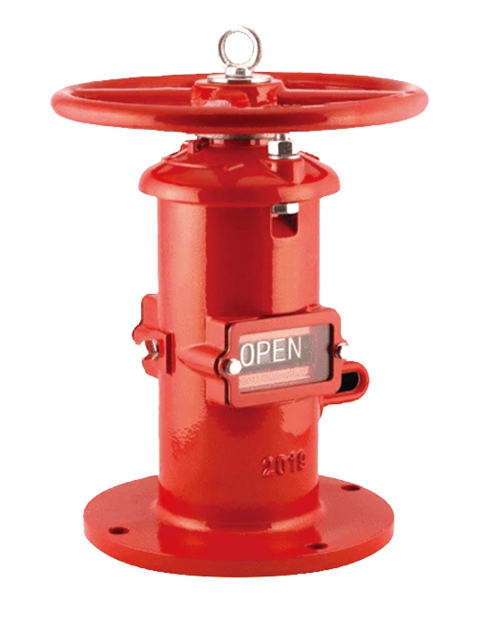
A post indicator valve is a valve assembly mounted on a vertical post, typically rising 3 to 4 feet above ground, that controls water flow to a building's fire suppression system. Its open or shut position is visibly displayed—usually via a target plate with 'OPEN' or 'SHUT'—so firefighters can instantly verify water availability without entering the structure. This immediate status check and the ability to quickly isolate or restore water supply make it a cornerstone of reliable fire defense, especially in commercial and industrial settings.
UL (Underwriters Laboratories) and FM (Factory Mutual) are two distinct testing organizations that certify fire protection equipment, but their approaches differ. UL primarily evaluates compliance with ANSI/UL standards through laboratory testing that simulates fire conditions. FM takes a more holistic route, examining not only fire performance but also installation, maintenance, and loss prevention in real-world contexts. A PIV carrying both marks has been vetted from multiple angles, giving you confidence that it will perform reliably under stress and meet the scrutiny of insurers and code officials.
Look for a rugged ductile iron body rather than standard cast iron—it resists fractures better during ground shifts or impact. A non-rising stem with a sealed gear mechanism prevents dirt and moisture from compromising operation over time. The indicator target should have bright, fade-resistant colors and a tamper-proof design. Additionally, top-tier models include a supervisory switch that sends a signal to the fire alarm panel if the valve is closed, and they support routine maintenance like lubrication without disassembly.
While the 'top pick' can vary by application, several PIVs consistently earn trust: the Kennedy Valve KSPIV series, known for its heavy-duty build and clear indicator; the Clow F-6100, which excels in corrosion resistance with its fusion-bonded epoxy coating; and the Mueller Super Centurion, favored for its sturdy gear set and optional tamper switch. The AVK series 41 is another strong contender, valued for its compact design and ease of adjustment. Any model you consider should hold current UL and FM certifications to back its claims.
Quarterly visual checks are non-negotiable: make sure the indicator target shows 'OPEN' and the valve is free of debris and vegetation. Once a year, operate the valve fully closed and back open to prevent seizure, and note how many turns it takes—a change may indicate wear. If you have a supervisory switch, test it during this cycle. Lubricate only using the manufacturer's recommended grease, and never paint over the indicator window or target. Keep a maintenance log; it’s invaluable during insurance audits and system reliability tracking.
Absolutely, outdoor installation is standard, but proper preparation is crucial. The soil around the base must drain well to avoid standing water that can freeze and stress the valve. In regions with hard freezes, use a post extension to set the valve gear housing above snow line, and consider a frost-proof casing. The indicator window should be weather-sealed, and all exposed fasteners should be stainless steel. A protective concrete pad or bollard nearby can prevent accidental vehicle damage without obstructing firefighter access.
A common mistake is selecting a valve size without considering system hydraulic demands, leading to pressure drops. Another is forgetting to match the valve's connection type—flanged, mechanical joint, or grooved—to the underground pipe, which causes installation delays. Skipping the supervisory switch to save cost is shortsighted; without it, a closed valve could go unnoticed until a fire breaks out. Finally, not verifying local codes: some jurisdictions mandate additional features like a tamper seal or a specific indicator color, and failing to comply can delay project approval.
Conclusion
When it comes to safeguarding your sprinkler system, the post indicator valve isn't just a piece of hardware—it's a gatekeeper. Those UL and FM labels aren't decorative; they signify rigorous third-party testing for performance you can trust. Skimping on a cheaper, unlisted valve might save a few dollars upfront, but the hidden costs emerge quickly: corrosion, unreliable operation, or failure during a fire can lead to devastating property loss and liability nightmares. The material you choose plays a massive role in long-term reliability. Cast iron may seem sturdy, but in harsh environments, stainless steel offers superior resistance to rust and pitting, ensuring the valve operates smoothly after years of exposure. A valve that freezes in winter is worse than useless—it's a liability. That's why top-tier PIVs include features like buried depth designs or insulated components to prevent freeze damage, keeping the flow path clear when you need it most.
Even the best valve can be undermined by installation errors. Common mistakes like improper depth setting, misaligned targets, or forgetting to lubricate threads can render the valve inoperable. Professional installation according to manufacturer specs is non-negotiable. Once installed, a simple 3-minute quarterly test—checking the open/closed indicator and exercising the valve—can catch issues before they snowball into system failure. The true mark of a superior PIV isn't just its shiny exterior; it's the peace of mind that comes from knowing it's certified, built for your climate, and maintained correctly. By prioritizing these factors, you're not just buying a valve; you're investing in fire safety that stands the test of time. For those serious about protection, the top picks in the market share these DNA-level qualities.
Contact Us
Contact Person: George
Email: [email protected]
Tel/WhatsApp: 13863633883
Website: https://www.es-fire.com