

Top Wood-Based Activated Carbon: Which One Is Best for Your Needs?
2026-07-31
Choosing the right wood-based activated carbon can feel overwhelming with so many options on the market. Whether you're purifying air, treating water, or refining chemicals, the wrong choice can cost you efficiency and money. That's where Tundrr steps in—not just as a supplier, but as your guide to finding the perfect match for your unique needs. In this post, we cut through the noise to help you understand what really matters when selecting top-grade carbon, so you can make a confident, informed decision.
What Makes Wood-Based Activated Carbon Stand Out?
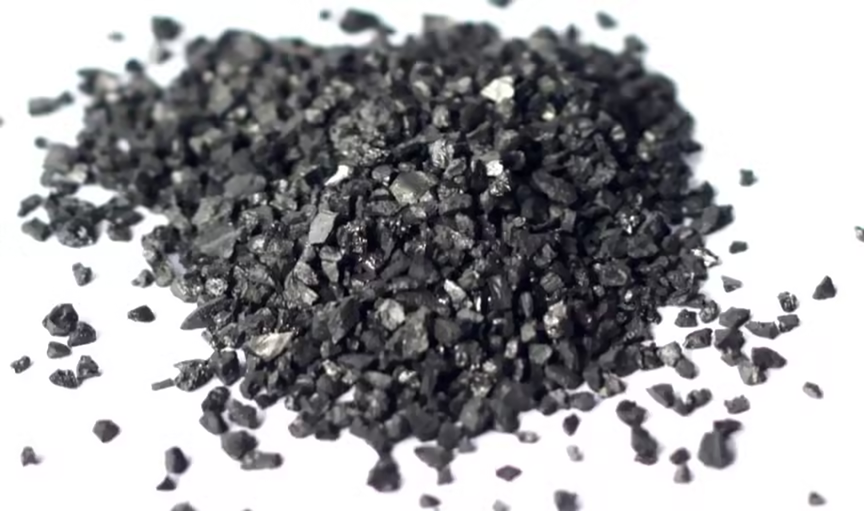
Renewable sourcing gives wood-based activated carbon a natural advantage. Derived from fast-growing trees like pine or coconut shells, it sidesteps the environmental baggage of coal-based alternatives. The material’s inherent cellular structure translates into a remarkably high surface area, often exceeding 1,000 m²/g, which means more space for trapping impurities. This isn't just a numbers game—it directly boosts performance in demanding filtration tasks.
Low ash content is another silent workhorse. With fewer metallic impurities than coal or lignite carbons, wood-based variants minimize leaching and catalytic side reactions. This purity makes them ideal for sensitive applications like pharmaceutical purification or ultra-pure water systems where even trace contaminants matter. It also means less frequent replacement, cutting operational downtime.
Then there’s the physical resilience. Wood-based carbon’s hard, granular structure resists attrition and dusting during backwashing or handling, maintaining consistent flow rates in fixed-bed filters. Paired with its mesoporous distribution, it handles larger molecules like color bodies or organic pollutants that microporous carbons might miss. That versatility is why you’ll find it in everything from whiskey decolorization to air scrubbers.
Hardwood vs. Softwood: Does It Make a Difference?
The terms hardwood and softwood don't actually refer to the density or strength of the wood itself. Instead, they describe the type of tree the wood comes from. Hardwoods are angiosperms—trees that produce seeds with a covering, like acorns or fruit. They tend to be broad-leaved and deciduous, losing their leaves in autumn. Softwoods come from gymnosperms, which are usually conifers with needles and cones that stay green year-round. This botanical distinction leads to some general trends, but nature loves to blur the lines. For instance, balsa wood is technically a hardwood, yet it's one of the lightest and softest woods you can find.
When you're choosing materials for a project, the label matters far less than the actual properties of the individual species. Hardwoods are often prized for furniture and flooring because many species offer rich grain patterns, durability, and the ability to take stains beautifully. Softwoods, like pine or cedar, are commonly used for structural framing, decking, or outdoor projects because they're typically more affordable, easier to work with, and resist decay well. But there are softwoods like yew that are incredibly hard, and hardwoods like poplar that are quite soft and prone to denting. In the end, it's about matching the wood's characteristics to your needs—not just assuming one category is always better than the other.
Does the difference really matter? Only if you let it. A craftsman might swear by white oak for its steam-bending abilities, while a DIY builder might choose spruce for a quick shelf. The key is to look past the labels and understand what you're actually getting. Pay attention to grain, workability, rot resistance, and how the wood behaves when cut or sanded. Whether a tree dropped its leaves millions of years ago shouldn't dictate your decision today.
How Pore Structure Influences Performance
The arrangement of pores within a material acts like a city's street map, directing the flow of fluids or gases and deciding how quickly they can move through. Narrow, winding pathways create resistance, slowing down transport, while broader, interconnected channels allow for swift passage and better distribution. This structural design directly shapes how effectively a catalyst works, how thoroughly a filter traps contaminants, or how efficiently a battery stores and releases energy. Without the right network, even the most chemically active surfaces remain underutilized—like a vibrant market hidden behind dead-end alleys.
Surface area is another layer of this story. A foam with countless microscopic cavities can hold more active sites than a smooth slab of the same size, but if those cavities are sealed off or only accessible through bottleneck entrances, their potential is wasted. The real magic happens when pores are sized just right to welcome target molecules while blocking larger intruders, and arranged so that every corner participates in the reaction. In separation membranes, for instance, a well-tuned pore architecture can tell the difference between two almost identical molecules, letting one through and holding the other back with precision that feels almost deliberate.
Mechanical strength and longevity hang in the balance, too. A structure riddled with voids might sound fragile, but nature proves otherwise—think of bone or wood, where clever pore geometry creates resilience with minimal weight. In engineered materials, the challenge is to balance openness with durability, ensuring that the scaffolding can withstand pressure, temperature swings, or chemical attacks without collapsing. When this equilibrium is struck, performance isn't just about immediate efficiency; it becomes a lasting advantage, sustaining functionality over thousands of cycles.
Matching Carbon Type to Your Filtration Needs
Choosing the right carbon isn't just about grabbing the first bag you see. Every filtration challenge has its own quirks—maybe you're battling stubborn chlorine tastes, or perhaps it's volatile organic compounds that keep you up at night. Granular activated carbon made from coconut shells, for instance, tends to have a finer pore structure that latches onto smaller molecules with impressive efficiency. Meanwhile, coal-based options often handle broader contaminant spectrums, making them a go-to for industrial setups where nasties like pesticides or industrial solvents are regular invaders. The trick is matching the carbon's origin and activation method to the specific enemies in your water.
Don't overlook the physical form, either. Powdered carbon acts fast and disperses quickly, so it's brilliant for spot treatments or seasonal algae blooms that come and go. Granular carbon, packed into a deep bed, gives you prolonged contact time—a slow, steady defense that keeps working long after the initial fill. Catalytic carbons step it up further by chemically altering certain contaminants, like chloramines, rather than just trapping them. If your water source swings between mild and aggressive contamination, a layered approach with different carbon types might actually mimic the versatility of a whole treatment train without overcomplicating your setup.
Testing your water before deciding is non-negotiable. A quick lab analysis reveals the real puzzle: not just what's in your water, but in what concentrations and how consistently they appear. That data is your compass, steering you away from one-size-fits-all promises. Some contaminants laugh at standard carbon while barely tickling specialized grades. The final call should balance performance with practicality—too fine a carbon might boost backwashing costs or clog faster than you'd like, while too coarse a grade leaves unwanted guests in your glass. Finding that sweet spot turns filtration from a guessing game into a precision tool.
Key Quality Indicators You Shouldn’t Ignore
A product can look flawless on the surface, but the real story lies beneath. Durability, consistency, and performance over time tell you far more than a shiny first impression. If a material frays after a few uses or a mechanism starts to jam, no amount of sleek design can salvage the experience.
Then there’s the human side of quality—how something feels in your hands, how intuitive it is to operate, and whether it brings quiet satisfaction every time you interact with it. These subtle signs, often overlooked, separate lasting favorites from forgettable purchases.
Real-World Scenarios: Which One Delivers?
Picture a chaotic Monday morning, the kind where every minute counts. In one corner, you have a process that promises speed but trips over its own complexity the moment exceptions pop up. In the other, a method that appears slower on paper yet handles real-world curveballs without breaking a sweat. When you strip away the polished demos and the carefully controlled environments, actual delivery comes down to how gracefully a system copes with last-minute changes, incomplete data, and human error. The scenarios that truly test capability are rarely the ones you prepare for.
Not long ago, a regional logistics provider decided to run a side-by-side trial during their peak season: one team stuck with the heavily marketed, feature-packed platform they had just purchased, while another used a streamlined, experience-driven workflow they had refined over years. The slick platform crumbled under the surge of real transactions, its automated safeguards blocking legitimate shipments and requiring manual overrides. The simpler approach, while less glamorous, absorbed the chaos because its rules were grounded in how people actually work—not how a designer assumed they would.
Ultimately, the question isn't which solution looks better in a brochure but which one respects the messiness of real life. Tools that thrive outside the testing lab are built with a deep understanding of friction, priority shifts, and the unpredictable rhythm of business. They don't just function; they bend without breaking. That's the difference between a candidate that passes inspection and one that delivers when it matters most.
FAQ
Wood-based activated carbon is a highly porous material derived from various wood sources like coconut shells, hardwood, or bamboo. The production involves carbonizing the wood at high temperatures in an oxygen-limited environment, then activating it with steam or chemicals to create an extensive network of microscopic pores. This process dramatically increases its surface area, allowing it to trap impurities effectively.
Coconut shell carbon typically has a high density of micropores, making it excellent for adsorbing small molecules and gases. Hardwood-based carbon offers a broader pore size distribution, suitable for capturing larger organic compounds and providing good color removal. Bamboo carbon falls between the two but is often praised for its renewability and decent adsorption capacity across a range of contaminants.
For drinking water, coconut shell carbon is a popular choice because of its high micropore volume, which efficiently removes chlorine, taste, odor, and volatile organic compounds. Hardwood carbon can be better for treating wastewater or industrial effluents that contain larger molecules, while bamboo carbon is a sustainable alternative with balanced performance.
Absolutely. Coconut shell carbon is commonly used in air filters to trap odors, fumes, and volatile chemicals. Its fine pore structure excels at adsorbing gaseous pollutants. Hardwood carbon may be used when dealing with heavier or larger odor-causing compounds, such as in industrial air scrubbers.
Bamboo charcoal is often considered the most eco-friendly because bamboo grows rapidly and regenerates without replanting. Coconut shell carbon also has environmental merit as it uses a byproduct of the food industry. Hardwood sourcing requires careful forestry management to ensure sustainability.
Start by identifying the size of the molecules you need to adsorb: smaller molecules usually require coconut shell carbon, while larger ones may need hardwood. Consider the operating conditions like pH, temperature, and contact time. It's also wise to request performance data or samples from suppliers for real-world testing.
One myth is that all wood-based carbons perform the same. In reality, the source material and activation method greatly influence its pore structure and suitability. Another misconception is that activated carbon lasts forever—it eventually becomes saturated and needs replacement or reactivation.
The lifespan depends on the concentration of contaminants, flow rate, and water or air quality. High levels of pollutants will saturate the carbon faster. Regular monitoring and proper maintenance can extend its useful life, and some types can be reactivated through thermal processes.
Conclusion
Wood-based activated carbon distinguishes itself through a renewable, sustainable origin, offering high surface areas and customizable pore structures that rival coal or coconut counterparts. Derived from diverse wood sources, its innate porosity and low ash content enable highly efficient adsorption. The choice between hardwood and softwood significantly influences performance: hardwoods create a balanced mix of micro- and mesopores, ideal for removing small organic molecules; softwoods produce a more open structure suited for larger contaminants like colors or high-molecular-weight compounds. This pore architecture is pivotal, as it determines which pollutants are trapped—tight micropores excel for gases and trace chemicals, while mesopores handle larger adsorbates in liquid-phase applications.
For optimal filtration, matching the carbon’s properties to the specific need is essential: treat drinking water with high-microporosity hardwood carbons for taste and odor removal, adopt softwood-based carbons for decolorization in food processing, or employ specialty grades for pharmaceutical purification. Key quality indicators include iodine number, methylene blue adsorption, and ash content, which reveal accessible surface area and purity; never overlook bulk density or hardness, as they affect handling and longevity. In real-world use, the best wood-based activated carbon isn't a single winner—it's the carefully selected type that aligns pore distribution with target contaminants, demonstrating measurable performance gains in scenarios from municipal water treatment to air purification and industrial processes.
Contact Us
Contact Person: Ellen Zhang
Email: [email protected]
Tel/WhatsApp: +86(21) 2287 6756
Website: https://www.tundrr.com/en/