

Top Pharmaceutical Cleanroom EPC: Mastering Sterile Facility Design and Construction
2026-07-29
In the high-stakes world of pharmaceutical manufacturing, cleanroom design isn’t just about meeting standards—it’s about safeguarding product integrity and patient safety from the ground up. As a leading force in sterile facility EPC, GENO Pharmatech brings a unique blend of engineering precision and regulatory insight to every project. This blog peels back the layers of cleanroom construction, exploring how meticulous planning, advanced HVAC systems, and contamination control strategies converge to create environments where medicine is made with absolute confidence.
Blueprinting Sterility: Core Design Principles for Modern Cleanrooms
Designing a modern cleanroom is less about rigid protocols and more about orchestrating a seamless flow where architecture actively fights contamination. It begins with a meticulous zoning strategy that maps every movement of personnel and material, ensuring that nothing crosses from a lower cleanliness area into a critical zone without passing through progressive stages of purification. Corridors become dynamic pressure cascades, with air always moving from the cleanest core outward, guided by differentials that remain stable even as doors open and equipment shifts. The layout itself becomes a passive guardian, minimizing horizontal surfaces where particles might settle and incorporating radiused corners that shed rather than trap debris.
Material selection moves beyond simple wipe-down durability into the realm of molecular compatibility. Every surface—from floor to ceiling—is chosen not only for its ability to withstand aggressive cleaning agents but also for its low outgassing properties, ensuring that the very materials of construction don't become contaminant sources. Walls integrate monolithic panel systems with sealed joints that expand and contract without cracking, while lighting fixtures are fully recessed and gasketed to eliminate ledges. Even the air returns are strategically placed to create a low-velocity sweep that gently escorts particles away from the product, turning ventilation into an invisible shield.
The nervous system of a modern cleanroom is a finely tuned environmental monitoring network that responds in real time. Sensors detect more than just particle counts; they track temperature fluctuations, humidity shifts, and pressure changes with enough granularity to predict and counteract contamination events before they occur. This data feeds into adaptive HVAC systems that can adjust airflow patterns on demand, transforming the cleanroom from a static box into a living, breathing environment. Coupled with smart gowning areas that enforce protocol through automated checks, the entire facility becomes a cohesive organism designed to preserve sterility not through force, but through integrated intelligence.
Construction Integrity: Executing Flawless Builds in Regulated Spaces
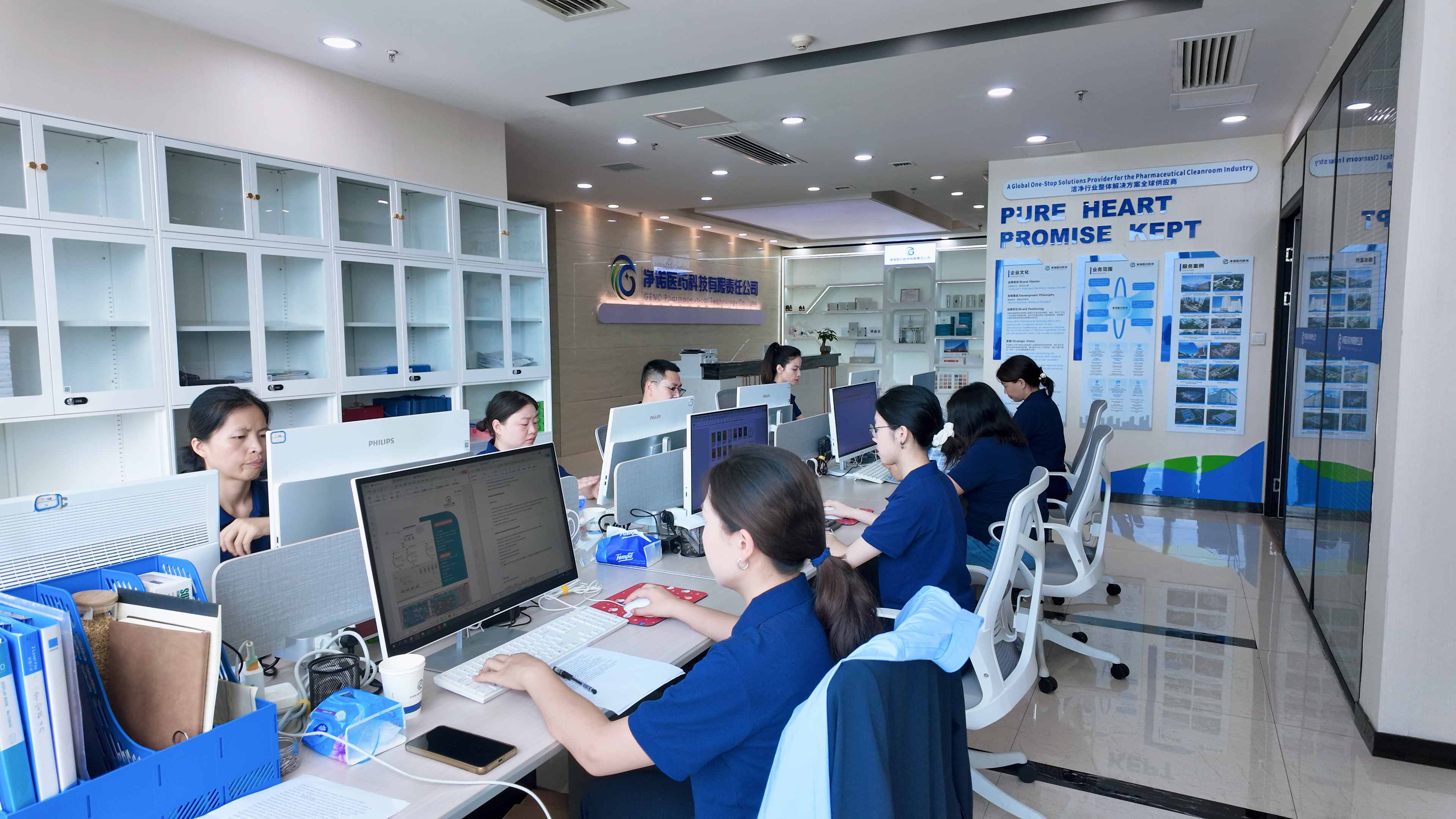
In environments where regulatory oversight is non-negotiable, construction integrity goes beyond basic structural soundness. It demands a meticulous orchestration of materials, methods, and documentation to ensure every weld, seal, and surface meets exacting standards. For teams working on laboratories, pharmaceutical facilities, or food processing plants, the margin for error is virtually nonexistent—a single overlooked gap can compromise an entire cleanroom’s pressurization or create a contamination pathway. This means that from the first pour to the final walkthrough, every step must be verified against design specifications and industry codes, with a paper trail that proves compliance at the most granular level.
Executing flawless builds in these settings hinges on a proactive quality assurance framework embedded into daily workflows. It’s not enough to correct deviations after the fact; true integrity lies in preventing them through rigorous pre-installation reviews, mock-ups, and material testing. For instance, mechanical and electrical rough-ins in a negative-pressure isolation room require coordination that anticipates future maintenance access without breaching the envelope. Similarly, joints and penetrations must be sealed with compounds rated for specific chemical exposures, applied in conditions that won’t later lead to cracking or outgassing. The best contractors treat these requirements not as obstacles but as the baseline, relying on cross-functional expertise to catch potential failures before they manifest on site.
The final measure of construction integrity in regulated spaces is how the facility performs under real-world conditions. Commissioning and qualification phases are not cursory checks but intensive processes that validate everything from airflow patterns to surface cleanliness levels. A build is truly flawless only when it can withstand repeated cycles of use, cleaning, and monitoring without degradation. This requires a mindset shift from “building to print” to “building to perform,” where trade partners understand the purpose behind each specification. By fusing technical precision with a culture of accountability, projects deliver spaces that don’t just pass inspection—they enable the critical work they were designed to house, with reliability baked into every component.
Navigating Regulatory Frameworks: From ISO to GMP Compliance
ISO standards lay out a broad framework for quality management, applicable across industries, while GMP regulations drill down into the specifics of production and process control for pharmaceuticals, medical devices, and similar fields. The transition from an ISO-based system to GMP compliance isn't about swapping one for the other—it's about building on the foundational documentation and quality mindset ISO cultivates. Many organizations discover that their ISO documentation, while robust, lacks the granular detail GMP inspectors expect, particularly around batch records and material traceability.
The real navigation starts when you map your existing processes to GMP requirements. It's common to see gaps in areas like raw material qualification, equipment cleaning validation, and the formalized approach to deviation management. Companies often underestimate the cultural shift needed—GMP demands a deeper accountability on the production floor, where every action is documented and justified in real time. Integrating these demands without paralyzing operations requires a pragmatic, stepwise approach that respects both the intent of the regulation and the realities of your manufacturing flow.
Material Selection and Surface Science: The Hidden Determinants of Cleanroom Performance
In cleanroom environments, every surface tells a story—often one of contamination risks that aren’t visible to the naked eye. The choice of construction materials, from wall panels to flooring and workstations, directly shapes particle generation, outgassing, and microbial survival rates. Polymers, for instance, can leach volatile organic compounds or shed micro-particles under abrasion, while stainless steel may resist corrosion but creates challenges with electrostatic discharge. Understanding the intrinsic properties of these materials isn’t just a materials science exercise; it’s a frontline defense against batch failures in pharmaceutical compounding or semiconductor lithography.
Surface science digs deeper into how microscopic topography and chemical functional groups invite or repel contaminants. A polished surface might look pristine, yet its high surface energy can attract airborne molecular contaminants like a magnet. Conversely, engineered nanocoatings or plasma-treated surfaces can render a substrate hydrophobic or antimicrobial, disrupting biofilm formation at the molecular level. These interventions are rarely one-size-fits-all: a coating that works for an ISO 5 cleanroom might degrade under repeated sterilant exposure, requiring a careful balance between durability and performance. The real art lies in matching surface chemistry to the specific operational stressors of each controlled environment.
The hidden interplay between material selection and surface behavior often determines whether a cleanroom meets its classification over years of use, not just at commissioning. Degradation mechanisms like wear, chemical attack, or photo-oxidation can slowly turn a once-suitable surface into a particle generator. Proactive strategies—such as selecting materials with low outgassing profiles, incorporating surface texture that minimizes adhesion, and validating compatibility with cleaning agents—shift cleanroom design from a static specification to a dynamic performance system. Ultimately, those who treat surfaces as active interfaces rather than passive boundaries gain a measurable edge in contamination control.
Airflow as an Asset: Optimizing HVAC Systems for Contamination Control
Managing airflow isn't just a mechanical function—it's a strategic asset in contamination control. By precisely tuning HVAC systems, facilities can direct potential contaminants away from critical zones, creating invisible barriers that protect product integrity. This proactive approach transforms ventilation from a background necessity into a cornerstone of risk mitigation.
The real value emerges when airflow optimization aligns with process demands. Differential pressure cascades, careful air exchange rates, and strategic supply and exhaust placements work together to scrub and sweep spaces clean. Far beyond basic comfort control, these systems actively shape a facility's microbial and particulate profile, reducing cleanroom recovery times after interruptions and minimizing cross-contamination risks during routine operations.
An optimized HVAC framework also delivers operational resilience. Adaptive controls, such as demand-based ventilation and real-time monitoring, allow for dynamic responses to shifting conditions—whether from equipment heat loads or human traffic. This intelligence not only cuts energy waste but hardens the entire contamination control strategy, making airflow an asset that continuously earns back its investment through risk reduction and consistent compliance.
Future-Proofing Facilities: Adaptive Strategies for Evolving Drug Manufacturing
Designing facilities that can pivot with shifting demands is no longer a luxury—it's a necessity. The days of static, single-purpose plants are fading as manufacturers confront volatile pipelines, novel modalities, and pressure to reduce time-to-market. Forward-thinking teams are embedding flexibility into the very skeleton of their operations, using modular cleanroom systems that can be reconfigured in weeks rather than years. This approach allows a facility producing monoclonal antibodies today to switch to viral vector production tomorrow without massive capital reinvestment. The real magic, however, isn't just in movable walls or plug-and-play utilities—it's in designing process flows that anticipate change, ensuring that the bones of the building support multiple futures without sacrificing compliance or efficiency.
Technology plays a quiet but decisive role in making adaptability tangible. Advanced process analytical technology and real-time monitoring aren't merely about quality control; they're the eyes and ears that allow a facility to understand its own capabilities at any moment. When a line needs to switch from one product to another, these systems provide the data to validate cleaning, adjust parameters, and resume production with minimal downtime. Beyond hardware, digital twins are emerging as silent partners in resilience—virtual models that simulate changes before they're implemented physically, flagging bottlenecks or regulatory pitfalls that would otherwise surface too late. The goal is to create a learning facility, one that grows more responsive with each campaign.
Yet all the modular architecture and smart sensors in the world won't matter if the workforce isn't equipped to harness them. True future-proofing hinges on cultivating a culture where operators, engineers, and quality teams are comfortable with ambiguity and empowered to make judgment calls when protocols lag behind reality. It means cross-training staff not just on multiple equipment types, but on the mental models needed to troubleshoot novel situations. Some organizations are investing in augmented reality training platforms that let personnel practice changeovers on virtual lines, building muscle memory for scenarios that haven't occurred yet. In the end, an adaptive facility is less about any single innovation and more about weaving together physical flexibility, digital insight, and human ingenuity into a fabric that can stretch without tearing.
FAQ
A top-tier provider goes beyond just building to spec. They bring deep domain expertise in sterile manufacturing, proactively identifying design clashes between architectural, MEP, and process systems before they become costly delays. They also demonstrate a track record of delivering fully compliant facilities, often one step ahead of evolving regulations like the latest EU GMP Annex 1.
Sterile design centers on contamination control from every angle. Unlike less critical cleanrooms, it demands unidirectional airflow mapping, strategic pressure cascades, and material finishes that eliminate microbial harborage. The layout must also support rigorous aseptic workflows, meaning personnel and material flows are engineered with no room for compromise.
Materials are chosen for cleanability, chemical resistance, and minimal particulate shedding. For example, wall panels are often factory-finished with high-durability coatings to withstand aggressive disinfectants, while flooring is seamlessly welded to avoid cracks. Every surface is scrutinized under dynamic cleanroom conditions, not just static lab tests.
HVAC is the lifeblood of sterility—it controls airborne particles, temperature, and humidity that directly affect product safety. A sophisticated design balances energy efficiency with fail-safe redundancy, using HEPA terminal filtration and precisely tuned air changes. Without it, even the best-designed suite will fail classification during performance qualification.
They treat risk as a continuous thread, not a one-time checklist. From early-stage hazop studies on utility systems to on-site protocol like negative-pressure containment during construction, every step is staged to avoid cross-contamination. Mock-up rooms are often built first to validate constructability and finish quality before full-scale execution.
Equipment integration often reveals conflicts between vendor-supplied units and cleanroom envelope requirements. Access for maintenance must be designed without breaking sterile barriers, and utility drops need to align precisely to avoid field modifications that create unwashable deadlegs. Early 3D coordination among all trades is non-negotiable.
Annex 1 drives a holistic view of contamination control. It forces designers to address every possible ingress point—raw materials, personnel, even transfer hatches—with validated barriers. New emphasis on rapid microbiology methods and continuous environmental monitoring means building systems must now accommodate far more sensor integration and data cabling from day one.
Modular, prefabricated cleanroom skins are slashing on-site time and improving quality control. Meanwhile, digital twins linked to live BMS data allow facility managers to simulate changes in occupancy or equipment loads before causing a contamination event. Single-use technology is also reshaping room classifications, reducing the need for on-site sterilization infrastructure.
Conclusion
Achieving excellence in pharmaceutical cleanroom design and construction transcends simply meeting regulatory minimums. The blueprint for sterility demands a holistic approach where core design principles—airflow dynamics, pressure cascades, and segregation of materials and personnel—are meticulously orchestrated. This foundation is only as strong as the construction integrity that follows; flawless execution in controlled environments requires rigorous protocols, continuous verification, and a builder’s deep understanding of life-science nuances. Every weld, seal, and surface intersection becomes a potential point of failure, so workmanship must align with design intent to deliver a truly aseptic envelope.
Beyond the physical structure, mastering top-tier pharmaceutical EPC involves navigating a labyrinth of ISO and GMP regulations, translating complex requirements into compliant realities without compromising operational efficiency. The selection of materials—from antimicrobial flooring to non-shedding wall panels—directly impacts cleanroom longevity and particle control, while hidden HVAC optimizations determine if a facility consistently protects product purity. Finally, future-proofing is not an afterthought; incorporating adaptive layouts and expandable utilities ensures the investment remains viable as drug manufacturing evolves, ultimately securing a competitive edge in a rapidly advancing industry.
Contact Us
Contact Person: Amy Yang
Email: [email protected]
Tel/WhatsApp: 008619330882686
Website: https://www.genopharmatech.com/