

Top Halogen-Free Flame Retardants for Safer and More Sustainable Fire Protection
2026-07-09
Fire safety is evolving, and the shift away from halogenated flame retardants marks a pivotal change in how we protect both people and the planet. Today’s top halogen-free options are not just safer—they deliver robust, sustainable fire protection without the toxic legacy of traditional chemicals. As we explore the leading solutions that balance performance with environmental responsibility, you’ll discover how X.X.F.R is shaping this cleaner, smarter approach. Let’s dive into the materials and innovations that are redefining fire safety for a healthier future.
Rethinking Fire Safety: The Case Against Halogens
For decades, halogenated flame retardants have been the go-to solution in countless products, from electronics to furniture. They work by releasing bromine or chlorine atoms when heated, which interfere with the combustion process and slow the spread of flames. On the surface, that seems like an obvious win for fire safety. But as we dig deeper into their long-term impact, it becomes clear that this approach trades one danger for another—and the hidden costs are far too significant to ignore.
The problem is that these chemical additives don't stay put. Over time, they leach out of products and accumulate in our homes, our bodies, and the environment. Studies have linked certain halogenated flame retardants to endocrine disruption, neurodevelopmental issues, and even cancer. Firefighters, who face intense exposure during blazes, have shown elevated levels of these compounds in their blood, coupled with higher rates of specific cancers. It's a grim irony: the very substances meant to protect us in a fire may be silently harming us when there is no fire at all.
Moreover, when halogen-laden materials do burn, they release dense, toxic smoke and corrosive gases like hydrogen chloride, which can be more immediately lethal than the flames themselves. In a contained fire, this superheated smoke reduces visibility and incapacitates victims faster, rendering escape more difficult. A growing body of evidence suggests that we need to shift toward inherently fire-resistant materials and safer alternatives that don't introduce such morbidity risks. True fire safety shouldn't create a long-term public health crisis—it should eliminate dangers, not simply swap them.
Phosphorus Compounds: Nature-Inspired Flame Retardants
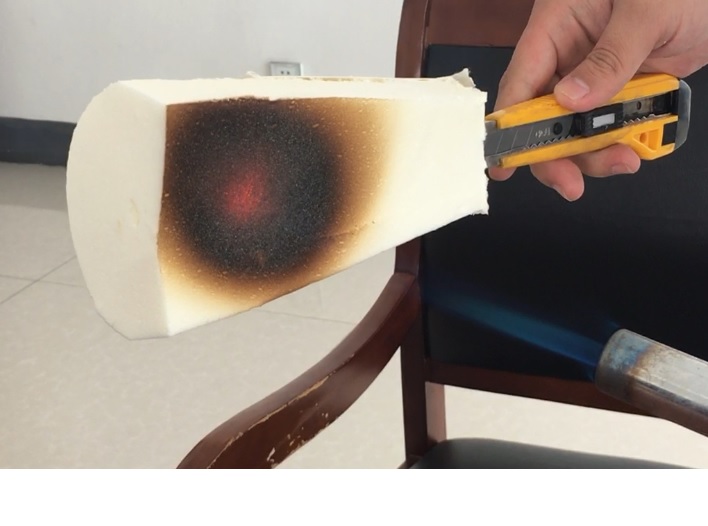
The quest for safer fire safety solutions has driven researchers to look toward nature for inspiration, and phosphorus compounds stand out as a prime example. Naturally occurring in essential biological molecules like DNA and ATP, phosphorus plays a critical role in life itself. This intrinsic biocompatibility makes phosphorus-based flame retardants a compelling alternative to traditional halogenated chemicals, which often persist in the environment and pose health risks. By mimicking nature’s own mechanisms, these compounds offer a pathway to fire protection that doesn’t compromise on environmental stewardship.
Phosphorus flame retardants work by intervening in the combustion cycle at multiple stages, much like natural firebreaks in a forest. In the condensed phase, they promote char formation, creating a protective carbonaceous layer that insulates the underlying material from heat and oxygen. Simultaneously, in the gas phase, some phosphorus compounds release radical-scavenging species that disrupt the chain reactions feeding the flames. This dual action not only slows ignition and flame spread but also reduces smoke and toxic gas emissions—a significant advantage over many conventional options. The diversity of phosphorus chemistries, from inorganic phosphates to organic phosphonates, allows tailored solutions for polymers, textiles, and coatings, reflecting the adaptability seen in biological systems.
Bringing this concept full circle, recent innovations integrate phosphorus with bio-based polymers or natural fibers, creating fully renewable flame-retardant systems. For instance, phytic acid derived from plant seeds can be applied to cotton fabrics, yielding a wash-durable finish without formaldehyde. Such approaches honor nature’s elegant efficiency—using abundant, low-toxicity elements to achieve robust fire safety. As regulations tighten and consumer awareness grows, these nature-inspired phosphorus compounds are poised to redefine what it means to be both fire-safe and sustainable, proving that sometimes the best answers have been in front of us all along.
Inorganic Powerhouses: Aluminum and Magnesium Hydroxides
Aluminum hydroxide and magnesium hydroxide quietly assert their importance across a staggering range of everyday applications. These unassuming inorganic compounds often work behind the scenes, neutralizing excess stomach acid in antacids without causing a sharp rebound effect. That gentle efficacy comes from their amphoteric nature—they buffer pH rather than simply swamping it, making them a far cry from harsher alternatives.
Beyond the medicine cabinet, their flame‑retardant properties place them at the core of modern fire safety. When exposed to heat, both hydroxides decompose endothermically, absorbing energy and releasing water vapor that dilutes combustible gases. This dual mechanism transforms them into indispensable ingredients in polymers, cables, and building materials, where they stop fires before they can truly begin.
Their industrial versatility extends further—aluminum hydroxide serves as a feedstock for aluminum chemicals, while magnesium hydroxide finds a niche in environmental management, neutralizing acidic wastewater and scrubbing flue gases. Together, they embody a rare union of mildness and power, a quiet chemical muscle that shapes products from the pill you swallow to the insulation protecting your home.
Melamine and Nitrogen-Based Synergists in Action
Melamine and nitrogen-based synergists operate by enhancing the effectiveness of flame retardant systems through a combination of physical and chemical mechanisms. During combustion, these compounds decompose endothermically, absorbing heat and cooling the substrate. The released nitrogen-rich gases, such as ammonia and melamine vapor, dilute flammable volatiles and oxygen near the flame zone, effectively suffocating the fire. Additionally, melamine can sublime, creating a protective gas shield that further suppresses ignition and flame spread.
Beyond gas-phase activity, melamine-derived char formation plays a critical structural role. The intumescent process, triggered by heat, causes the material to swell and form a thick, insulating carbonaceous layer on the surface. This char acts as a barrier, slowing heat transfer and hindering the release of combustible decomposition products. When combined with phosphorus-based agents, the synergism is amplified: the phosphorus catalyzes char formation while the melamine provides the blowing agent necessary for intumescence, resulting in a more robust and cohesive protective layer.
The real-world impact of these synergists is evident in applications ranging from flexible polyurethane foams to rigid thermoplastics. For instance, in upholstered furniture foams, melamine-ammonium polyphosphate combinations achieve stringent fire safety standards without compromising mechanical flexibility. In electrical enclosures and automotive components, the nitrogen-phosphorus synergy ensures UL 94 V-0 ratings while maintaining processing stability. This dual action—gas-phase quenching and condensed-phase shielding—makes nitrogen-based synergists indispensable for achieving durable, low-smoke, and halogen-free flame retardancy across diverse polymer matrices.
Where Safer Choices Shine: Key Industries and Uses
In healthcare, every decision can alter a life. From sterilized surgical tools to biocompatible implants, safer material choices aren’t just preferred—they’re compulsory. Hospitals lean on corrosion-resistant alloys and non-toxic polymers to prevent infections and allergic reactions. Even the adhesives on bandages and the tubing in IV drips are scrutinized; anything less than hypoallergenic or antimicrobial is a risk no practitioner will take. When the margin for error is nearly invisible, the materials that get through the door must be faultless.
Food and beverage production cuts a similarly unforgiving path. Stainless steel that resists acid wear, seals that never leach chemicals, and lubricants safe enough for incidental contact keep production lines humming without compromising public health. A single batch tainted by a reactive container or a degrading gasket can trigger recalls costing millions and erode trust overnight. That’s why engineers in these facilities obsess over material certifications, chasing formulations that handle aggressive cleaning agents while refusing to harbor bacteria in microscopic crevices.
Aviation and aerospace push safer choices to their physical limits. Turbine blades forged from single-crystal superalloys endure temperatures that would melt lesser metals, while cabin interiors use flame-retardant composites that emit minimal smoke if ignited. Weight savings must never cannibalize reliability; a lighter fastener that fails mid-flight is no victory. These industries treat material selection as a blend of art and forensic science, validating every alloy, polymer, and coating through grueling simulations before they ever leave the ground.
Tomorrow’s Fire Protection: Greener Innovations on the Horizon
The future of fire safety is quietly shifting away from chemical-heavy suppressants and toward solutions that work with nature rather than against it. Researchers are exploring bio-based foams derived from plant proteins and waste byproducts that break down harmlessly after use, sparing soil and waterways from the toxic legacy of traditional AFFF. These alternatives are not just lab curiosities—early field tests show they can match or even exceed the performance of synthetic foams on flammable liquid fires, all while drastically reducing environmental impact. It’s a change driven as much by tightening regulations as by a collective realization that protecting lives shouldn’t come at the cost of poisoning the planet.
At the same time, fire prevention is becoming smarter and more integrated into the built environment. Imagine walls coated with intumescent materials that expand when heated, sealing off flames and starving them of oxygen without releasing harmful fumes. Or sprinkler systems that use recycled water and precisely target only the affected area, minimizing water damage and waste. Even the humble smoke detector is getting an upgrade—new designs pair advanced sensors with AI to distinguish between burnt toast and a real threat, slashing false alarms and the needless dispatch of emergency services. These innovations don’t just add a green label; they fundamentally rethink how we coexist with fire risk.
On a broader scale, the push for sustainability is reshaping how fire departments approach everything from training to vehicle fleets. Live-fire exercises are moving away from burning diesel or wood pallets, instead using clean-burning simulators that replicate real scenarios without releasing clouds of black smoke. Electric fire trucks are beginning to roll out in city centers, cutting noise and emissions while packing all the necessary power. Even the protective gear is evolving, with manufacturers experimenting with recyclable fabrics and bio-based coatings that don’t rely on persistent fluorochemicals. It turns out that building a safer world doesn’t have to mean setting fire to the one we’ve already got.
FAQ
Halogen-free flame retardants are fire protection additives that avoid the use of chlorine or bromine compounds, which can release toxic and corrosive gases during a fire. They're gaining attention because they offer safer and more environmentally friendly options, reducing health risks and meeting stricter regulations.
Sure, some popular ones include aluminum hydroxide (ATH), magnesium hydroxide (MDH), phosphorus-based retardants like ammonium polyphosphate, and nitrogen-based expandable graphite. Each type works through different mechanisms to suppress flames.
These minerals endothermically decompose when heated, absorbing heat and releasing water vapor. This cools the material, dilutes flammable gases, and forms a protective oxide layer on the surface, effectively slowing down flame spread.
Phosphorus-based retardants often promote char formation, creating a barrier that shields the underlying material from heat and oxygen. They can be highly efficient even at low loadings, which helps maintain the mechanical properties of the polymer and reduces overall material usage.
They're crucial in electronics, construction materials, transportation interiors, and textiles—anywhere human safety in case of fire is a top concern. They're also favored in consumer goods where low toxicity and low smoke emissions are non-negotiable.
Sometimes, yes. They can affect material properties like flexibility or strength if not properly formulated. However, advances in surface treatments and synergistic combinations have narrowed this gap, allowing for effective fire protection without compromising product quality.
Conclusion
Fire safety is undergoing a quiet but critical transformation, moving away from halogenated additives that, while effective at quenching flames, carry heavy environmental and health burdens. The case against halogens centers on their persistence, toxicity, and corrosive smoke during combustion—concerns that have pushed researchers and industries toward phosphorus-based alternatives. Drawing inspiration from natural char-forming processes, phosphorus compounds catalyze a protective carbon layer that cuts off oxygen and heat, all without releasing dioxins or furans. Alongside these, inorganic hydroxides like aluminum trihydrate and magnesium dihydroxide have become industrial workhorses: they decompose endothermically, releasing water vapor that cools the polymer and dilutes flammable gases. Their sheer volume in formulations underlines a shift toward mineral-based simplicity that still meets rigorous fire standards.
Yet the story does not end with single additives. Melamine and nitrogen-based synergists partner with phosphorus systems to boost intumescent performance, creating foam-like barriers that dramatically slow fire spread. This cooperative chemistry finds its way into construction materials, electronics casings, and transportation interiors—sectors where safety and sustainability can no longer be traded off. Looking ahead, the field is exploring bio-based reactive retardants, nanostructured hybrids, and even self-extinguishing polymer architectures that promise to embed fire resistance at the molecular level. Each innovation brings us closer to materials that protect life and property without compromising the planet, proving that the future of fire protection is not just halogen-free but intelligently designed for a circular economy.
Contact Us
Contact Person: Guohua Wang
Email: [email protected]
Tel/WhatsApp: 8613003442895
Website: https://www.xxflameretard.com