

Top 10 Used Crawler Cranes to Choose for Your Construction Needs
2026-05-23
Finding the right used crawler crane doesn’t have to be a guessing game—yet too many contractors settle for machines that drain budgets or stall on the job. The market is flooded with options, but only a few combine real-world durability, lift capacity, and honest value. We’ve sifted through the noise to bring you 10 standout models that deliver where it counts, plus insider know-how from JILIANG CHI. Think of this list as your shortcut past buyer’s remorse, and your first step toward a crane that actually earns its keep.
Saving Big Without Sacrificing Performance: The Case for Used Crawler Cranes
Opting for a used crawler crane often makes more financial sense than buying new, especially when you dig into the numbers. A well-maintained machine with several thousand hours on the meter can still deliver years of reliable service, yet its price tag might be 30–50% lower than that of a fresh-off-the-line model. This isn't just about the initial outlay—insurance premiums, taxes, and depreciation all scale down proportionally, freeing up capital for other critical investments like operator training or project expansion.
The real magic happens when you realize you don’t have to give up capability. Many used units on the market are recent models loaded with the same safety systems, telematics, and lifting capacities as their newer siblings. The key is to focus on a machine’s actual condition rather than its age. A thorough inspection of the boom, tracks, engine hours, and maintenance logs will tell you far more than a model year. In fact, some owners upgrade their fleet on a cycle that puts gently used cranes on the market with features that are still cutting-edge for most job sites.
Beyond the specs, there’s an often-overlooked advantage: availability. Lead times for new cranes can stretch for months, while a ready-to-work used crane can be deployed within weeks. For contractors facing tight project deadlines or seasonal demand spikes, this can mean the difference between winning a bid and walking away. When you pair that with the ability to negotiate service contracts or warranties through reputable dealers, the case for a used crawler crane becomes not just a budget decision, but a strategic one.
From Job Site to Price Tag: What to Inspect Before You Buy
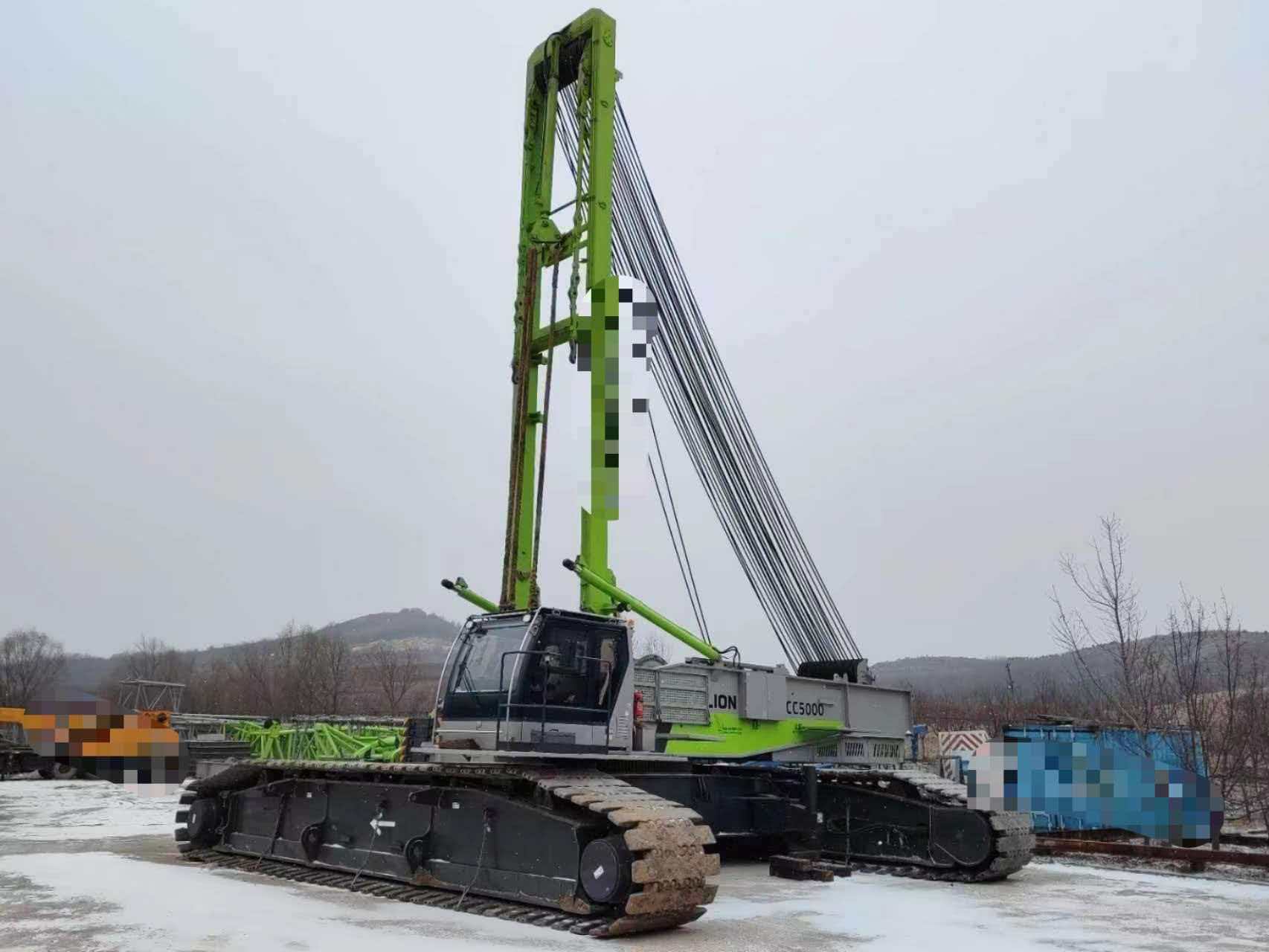
When you're standing on a job site, sizing up a machine, the real story rarely matches the seller's pitch. Start with the basics that won't show up in a listing photo: ask for service records, count the hours on the meter, and pay attention to how the equipment starts cold. A seller who hesitates to provide maintenance logs is often hiding something—whether it's skipped oil changes or a major repair that never made it into the paperwork. Don't just glance at the hour meter; compare it to the overall wear on the pedals, seat, and controls. Low hours paired with a worn-out operator station is a red flag that can't be ignored.
Move beyond the cabin and get your hands dirty. Hydraulic leaks, rust around pivot points, and sloppy pins can translate into thousands in repairs within the first few months of ownership. Check the condition of the undercarriage on tracked machines—uneven wear indicates alignment issues or a history of operating on harsh terrain. If you're not confident in your own assessment, bring along someone who has no skin in the game. A retired mechanic or a contractor who's already made the mistakes you're trying to avoid can spot trouble long before a price is negotiated.
Finally, tie what you've learned at the job site directly to the price tag. Use every flaw you've uncovered—no matter how small—as leverage, but be realistic about what matters. A crack in a non-structural panel is cosmetic; a seeping cylinder seal is a countdown to failure. Figure out the cost of the fixes you'll need to make and subtract that from the asking price, then subtract a little more for the unknown. If the numbers don't work, walk away. There's always another machine, but there's rarely a second chance to get the deal right the first time.
The Heavy Lifter Lineup: 10 Models That Dominate the Used Market
When it comes to heavy machinery that holds its value and stays in demand on the used market, a handful of models consistently rise above the rest. These machines are the backbone of construction, mining, and earthmoving projects, and their reputations are built on decades of proven performance. Buyers know exactly what they’re getting—durability, easy parts availability, and the kind of brute strength that keeps job sites moving. Whether it’s a dozer that’s been pushing dirt since the 1990s or an excavator that can still outpace newer competitors, these ten machines have earned their spot as the go-to choices for contractors who refuse to compromise on reliability.
The Caterpillar D8R, for example, is practically a legend in the bulldozer world—its powertrain and undercarriage can take a beating and keep going, making it a favorite for large-scale grading and land clearing. The Komatsu D65 series matches it with a lighter footprint and impressive fuel efficiency, often found at a friendlier price point. For excavator fans, the Hitachi ZX200 series has proven itself time and again with smooth hydraulics and a cab that operators genuinely appreciate during long shifts. Other heavy hitters include the John Deere 850K dozer, the Volvo L120 wheel loader, and the Kobelco SK210 excavator—each with a loyal following who swear by their uptime and straightforward maintenance.
Ton-Miles and Tight Budgets: Matching Crane Capacity to Your Project
Every lift in a project carries its own set of demands, and those demands translate directly into ton-miles—the real currency of crane work. It’s not just about how much weight you need to move, but how far, how high, and under what conditions. When budget constraints tighten, the instinct might be to reach for the smallest machine that can technically handle the load. But that approach often backfires, turning a seemingly straightforward pick into a logistical puzzle of multiple crane positions, extended boom lengths, and travel with suspended loads. The result? A machine working harder, not smarter, and a project timeline stretched thin.
Matching crane capacity to your project means looking beyond the glossy load chart and understanding how the site really operates. A 100-ton crane might technically lift a 20-ton load on paper, but if the radius forces you into a less stable quadrant or demands a heavy jib configuration, you’re burning through ton-miles without realizing it. The tight budget paradox is that a larger crane, deployed strategically, often completes lifts in fewer cycles, reduces repositioning, and slashes rigging time. That upfront cost difference vanishes when you account for the hours saved and the risk trimmed from the schedule.
One overlooked tool in this balancing act is the critical lift plan that treats the crane not as a standalone asset but as a moving piece of your site’s flow. A thorough lift plan tackles more than just capacity percentages; it maps out every degree of rotation, every inch of boom deflection, and every gust of wind that could turn a planned lift into a near-miss. When engineers collaborate early with the lifting team, they can often redesign the lift sequence or even the component weights themselves, shifting the ton-mile equation long before the crane shows up. Sometimes, the smartest crane is the one that never has to work at its limit, leaving you with a budget that actually holds its shape and a schedule that doesn’t unravel over a single pick.
Avoiding Costly Mistakes When Shopping for a Secondhand Crawler Crane
Walking onto a seller’s lot without a clear game plan is the fastest way to burn cash. Before you even look at a machine, nail down the exact lifting charts you need for upcoming projects. A crawler crane that looks like a steal at first glance might fall short on radius or capacity once you’re under load. Talk to your operators and project leads—figure out the max weight, worst-case radius, and any tight-space rigging quirks you’ll face. Then, check the crane’s actual load moment indicator records against those demands. Too many buyers get seduced by a low hour meter or fresh paint while ignoring the fact the unit can’t legally handle their typical picks.
Undercarriage neglect is a budget killer that doesn’t always announce itself loudly. It’s tempting to zero in on engine hours and boom condition, but the tracks, rollers, sprockets, and final drives have their own story to tell. Grab a flashlight and really look for uneven wear patterns, cracks around bolt holes, and pins that haven’t seen grease this decade. Ask for undercarriage measurement reports—not just verbal assurances. If the seller can’t produce them, factor a full rebuild into your offer. I’ve watched contractors walk away from a “fair deal” only to realize they’re staring at a six-figure undercarriage replacement within the first eight months of ownership.
Service paperwork is where a crawler crane separates the bargains from the headaches. A machine with spotty logs or “missing” maintenance records is a roll of the dice you don’t have to take. If you’re seriously interested, line up a third-party oil analysis and a thorough structural inspection—especially on the boom, carbody, and slewing ring. Look for field weld repairs that aren’t documented, repacked cylinders without an explanation, or hydraulic fluid that smells more burnt than your morning toast. Sellers who push back on independent inspections are often doing you a favor by waving a red flag early on. The extra upfront cost is just insurance against a yard ornament that can’t turn a profit.
Beyond the Spec Sheet: Real-World Performance of Pre-Owned Cranes
When considering a pre-owned crane, the spec sheet often reads like a promise of capability, but it rarely tells the whole story. Lift charts, boom lengths, and engine power figures are important, yet they exist in a vacuum. What truly matters is how that crane performs under load in varied conditions—how it handles in tight job sites, its responsiveness with a full load, and whether it maintains precision after thousands of hours of operation.
Real-world performance reveals subtle yet critical details you won't find in a brochure. The smoothness of the controls, the consistency of the swing brake, and the overall feel of the machine under stress can make or break a project timeline. A crane that lifts a weight on paper might struggle with stability on uneven ground, or its hydraulic systems might exhibit lag that costs precious minutes over a workday. These nuances only surface through hands-on operation or candid feedback from previous operators.
Smart buyers look beyond the numbers and seek out the operational history—how hard the crane was worked, typical maintenance intervals, and any repairs beyond routine upkeep. A crane with a clean maintenance record and a reputation for enduring tough cycles can easily outperform a newer model that was abused. Ultimately, the true value of a pre-owned crane lies in its demonstrated ability to deliver consistent, reliable lifts in the real world, not just its theoretical maximum on a chart.
FAQ
Start with the undercarriage—track wear, rollers, and sprockets often reveal how hard the machine has been worked. Then move to the boom and lattice structure, looking for cracks, rust, or signs of past repairs. Don't skip a thorough engine and hydraulic system check; ask for maintenance logs if available.
Brands like Liebherr, Manitowoc, and Kobelco have strong reputations for long-term durability. However, condition matters more than the name. A well-maintained older Hitachi or Sumitomo can outlast a neglected premium model. Focus on service history and actual hours, not just brand prestige.
Not necessarily. High hours alone don't doom a crane—it's the quality of maintenance that counts. Some cranes with 20,000 hours run smoother than a 10,000-hour unit that missed regular servicing. Have a certified inspector examine the machine and pull error codes if it's a modern model.
For most mid-sized projects, a 50 to 100-ton crawler crane covers a lot of ground—foundation work, steel erection, and material handling. It's heavy enough for significant lifts but still easy to transport. If you handle heavy precast or bridge work, consider 150 tons and up, but for versatility, the 70-ton class hits a sweet spot.
Don't just trust the hour meter—it can be swapped or tampered with. Cross-check with engine control unit data if available, or look at wear patterns on pedals, joysticks, and slewing rings. Request service records and see if the hours align with the maintenance intervals. A sudden jump or unrealistic numbers are red flags.
They can be, especially for simpler jobs where resale value isn't a priority. Brands like Zoomlion and Sany have improved significantly, but parts availability and support vary by region. If you go that route, buy from a dealer with a solid warranty and make sure you have easy access to consumables like filters and undercarriage components.
Moving a 150-ton class crawler often means disassembling the boom, removing counterweights, and using multiple loaders. Permits for weight and width can be a headache—plan for extra time and cost. Always ask the seller for transport specs and a recent weight ticket to quote haulage accurately. Some buyers negotiate delivery to the first job site into the deal.
Conclusion
Choosing a used crawler crane for your construction project is a smart way to maximize value without cutting corners on performance. The savings can be substantial, but a low price tag alone doesn’t guarantee a good deal. Before you sign any paperwork, a meticulous inspection is non-negotiable. Look beyond the fresh paint and focus on the boom, tracks, and hydraulic systems—hidden wear can turn a bargain into a money pit. Engine hours, maintenance logs, and previous job site conditions all tell a story that spec sheets often miss. Matching the crane’s lifting capacity to your actual project demands is equally critical; overbuying drains the budget, while underestimating tonnage needs risks safety and costly delays. Real-world performance hinges on how a crane has been operated and cared for, not just its age or stated capacity. By taking the time to vet each machine thoroughly, you sidestep the common pitfalls that trap impatient buyers.
The used market is full of proven models that consistently deliver, and a handful of them dominate job sites across the globe. From versatile all-rounders to heavy lifters built for extreme loads, the right machine is out there if you know where to look and what questions to ask. Don’t rely solely on spec sheets—talk to operators, check resale histories, and test the crane under load if possible. A model that shines on paper might struggle with your specific ground conditions or duty cycles, while an older workhorse with a thorough rebuild can outperform newer options at a fraction of the cost. The key is to balance upfront price with long-term reliability, considering parts availability and service support for your region. When you prioritize both the inspection process and a clear-eyed assessment of your project’s actual demands, a used crawler crane becomes more than just a purchase—it’s a strategic investment that keeps your projects moving and your bottom line intact.
Contact Us
Contact Person: Sally Xiao
Email: [email protected]
Tel/WhatsApp: 086-18221477398
Website: http://www.shjiliangchi.com/