

Top 10 Paving Tiles for a Beautiful and Durable Outdoor Space
2026-08-27
Your outdoor space deserves more than just a functional surface—it should be a statement of style and resilience. In this countdown of the top 10 paving tiles for a beautiful and durable outdoor space, we’re cutting through the noise to bring you options that actually hold up against weather, foot traffic, and time. Whether you're dreaming of a sleek modern patio or a rustic garden path, Beata Ceramics has been quietly setting the standard for quality. Let’s dive into the list and find the perfect foundation for your next project.
Porcelain's Quiet Takeover of Outdoor Flooring
For years, outdoor paving meant choosing between wood that warps, concrete that cracks, or stone that costs a fortune. Porcelain slipped into this space almost unnoticed, first on commercial terraces and hotel pool decks. The early versions felt like a gamble—slick when wet, brittle under furniture—but material science moved fast. Today's exterior porcelain is a different animal.
The quiet part is how little it asks of you. No sealing every spring, no scrubbing moss out of grout lines, no fading after two summers. Full-body porcelain carries its color through the entire thickness, so scratches and chips don't scream. Textured finishes grip bare feet even in rain, and 2 cm-thick slabs can be laid directly on sand or grass without a mortar bed.
Designers started using the same large-format porcelain indoors and out to erase the threshold. A living room floor now runs seamlessly onto a covered patio, same tile, same grout line, no visual break. That continuity, plus wood-look and stone-look patterns that don't demand the upkeep of the real thing, is why you're seeing porcelain underfoot in places that used to belong exclusively to timber decking.
Natural Stone Tiles That Age Gracefully Instead of Cracking
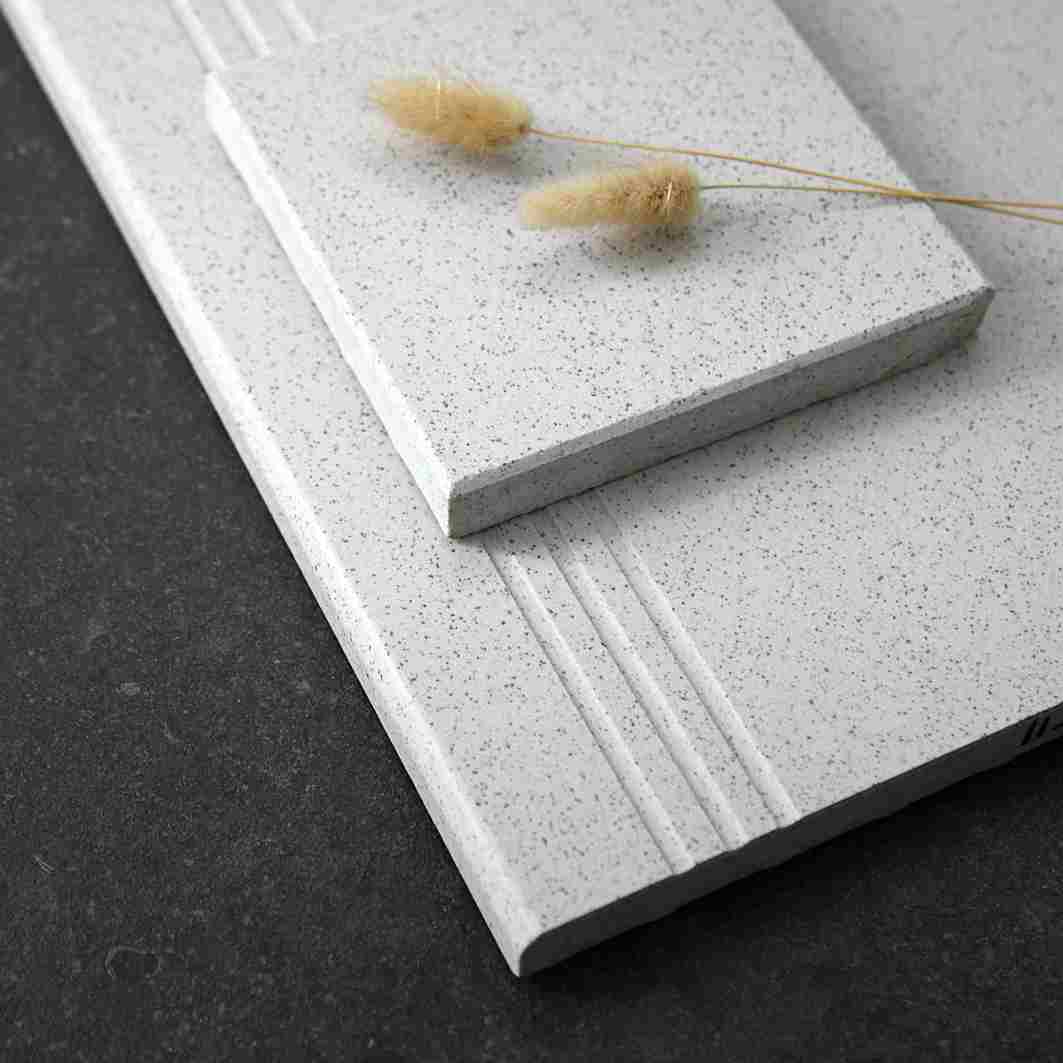
Natural stone has a quiet resilience that manufactured materials rarely match. Over years of foot traffic, temperature swings, and the occasional dropped pan, a well-chosen stone tile doesn’t surrender to hairline fractures. Instead, it develops a patina—softened edges, a subtle sheen on high-contact areas, faint mineral veining that seems to deepen. This isn’t damage; it’s character earned through daily life. The key lies in selecting dense, low-porosity stones like granite, quartzite, or certain limestones, which resist the micro-expansion that makes brittle tiles crack. Seal them once, then let them breathe. The result is a floor that looks better at year ten than it did on installation day.
Think of aging stone as a conversation between the material and its environment. Honed surfaces, for instance, slowly take on a satin gloss from repeated cleaning and walking—something you can’t fake with a factory finish. Tumbled or brushed edges start to round, hiding any minor chips that would scream for replacement in porcelain. Even slight color shifts add depth: a warm travertine growing honey-toned near sunlit windows, a slate’s charcoal lightening to silver where rain splashes through an open door. These changes are slow, almost imperceptible month to month, but over a decade they create a floor that feels grounded and alive, not frozen in showroom perfection.
Choosing stone that ages gracefully also means accepting a different kind of maintenance—one that works with time rather than against it. Periodic resealing every few years, using pH-neutral cleaners, and wiping spills promptly are small habits that prevent the kind of water absorption that leads to spalling or cracking. In exchange, you sidestep the cycle of replacing cracked tiles, dealing with grout failure, or watching a uniform surface develop ugly fault lines. Real stone rewards patience: it asks for a little care up front, then gives back decades of beauty that no artificial material can replicate. The cracks you avoid aren’t just physical—they’re the cracks in the illusion of permanence that other floors eventually reveal.
The Case for Matte Finishes in Sun-Drenched Yards
High-gloss surfaces might catch the eye from across the street, but in a yard that bakes under direct sun, they quickly turn into a nuisance. Matte finishes do something far more useful: they absorb and scatter light instead of bouncing it back at full force. That means fewer harsh reflections hitting your eyes while you're trying to enjoy a cold drink on the patio, and no blinding glare bouncing off a fence or planter box right when the afternoon heat peaks.
There's also a practical side that rarely gets mentioned. Glossy paints and sealers tend to show every fingerprint, water spot, and speck of dust the moment the sun hits them. Matte textures forgive all of that. They hide minor imperfections, fine scratches, and the kind of wear that comes from constant UV exposure, kids running through the yard, or a sprinkler that overshoots its target. Instead of looking tired after one season, matte surfaces settle into a softer, more natural patina.
Beyond comfort and upkeep, matte finishes simply belong in bright outdoor spaces. They let the colors of your plants, stone paths, and furniture take the lead rather than competing with shiny, attention-grabbing coatings. A matte charcoal fence or a low-sheen concrete planter reads as intentional and grounded, especially when the sun is at its strongest. In a sun-drenched yard, the last thing you want is another surface fighting for visual attention.
Grout Lines: The Overlooked Detail That Changes Everything
Most people spend hours picking out the perfect tile, then settle for whatever grout the contractor has on hand. That's a mistake. Grout lines aren't just filler—they're the connective tissue that can make a room feel crisp and expansive or busy and chopped up.
If you want a seamless look, match the grout color to the tile as closely as possible. The lines visually disappear, letting the material itself take center stage. Go the opposite direction with a high-contrast grout, and suddenly every tile becomes a framed piece. That can be striking in a small backsplash, but in a large floor it often reads as noisy.
Width matters too. Skinny grout lines—1/16 inch or less—lend a sleek, modern edge. Wider lines, especially with sanded grout, bring a more casual, almost handmade feel. And don't forget finish: a matte grout soaks up light, while a slightly glossy one bounces it around. The difference is subtle until you see two rooms side by side.
Can Large Tiles Make a Small Patio Feel Bigger? Yes, Here's How
It sounds counterintuitive at first—bigger materials in a cramped space—but large-format tiles actually trick the eye into seeing more room. The main reason is fewer grout lines. Every joint creates a visual stop, breaking the surface into small chunks that make the area feel chopped up and busy. When you switch to 24-inch or even larger pavers, the floor becomes a smoother, quieter plane, letting your gaze travel across the patio without interruption.
Color and layout play a supporting role, too. Light-toned tiles in a simple running bond or stacked pattern reflect more light and create subtle rhythm, while avoiding busy mosaics or small-scale motifs keeps the space from feeling cluttered. If you can, carry the same tile right up to the edge with no border; that open-ended look blurs the boundary between patio and yard, adding a sense of generosity.
One more trick is to choose tiles with a slight texture rather than a high-contrast grout. Matching the grout color to the tile reduces visual fragmentation even further. You don't need a huge footprint—just a smart scale and an uninterrupted surface can make a modest patio feel calm, cohesive, and unexpectedly expansive.
Drainage-Friendly Tile Choices for Rainy Climates
For areas that see frequent downpours, the surface underfoot can make or break how safely and comfortably you move through the day. Porcelain tiles with a high slip-resistance rating, often labeled R11 or higher, offer a practical starting point. Their dense, low-porosity body sheds water quickly, minimizing the lingering dampness that invites mildew. But drainage isn't just about the tile itself—it's also about the grout lines and the slight slope of the installation. Opting for larger-format tiles with tight joints reduces the number of channels where water can pool, while a subtle gradient toward a floor drain turns a flat patio into a self-clearing surface.
Natural stone, particularly split-face or flamed granite, brings another layer of functionality to wet environments. The rough, irregular texture creates micro-channels that guide water away from foot traffic, almost like a built-in drainage system. Unlike smooth polished marble, which becomes treacherously slick when wet, these rugged surfaces maintain grip even during heavy rain. The key is to avoid sealers that fill the pores and create a film—choose a penetrating, breathable sealer instead, so the stone can still absorb and release moisture naturally.
For a more contemporary look, consider open-joint pavers or permeable concrete tiles. These systems are designed with intentional gaps or voids that let rainwater pass through directly into a gravel or sand base below. Instead of fighting the weather, the floor works with it, reducing runoff and preventing standing puddles. In garden paths, balconies, or entryways where drainage is a constant concern, this approach turns a rainy climate from a problem into an asset—keeping the surface drier and safer without relying on a single central drain.
FAQ
Porcelain tiles with a high PEI rating of 4 or 5 and dense quarry tiles are your best bet. They resist scratching, staining, and won't crack under constant use, unlike softer limestone or slate.
Yes, lighter-colored natural stone like travertine or limestone reflects heat better than dark concrete or slate. Some porcelain tiles also have a high solar reflectance index, so they stay noticeably cooler on bare feet.
Rectified tiles are cut to precise, square edges after firing, allowing very thin grout lines and a seamless look. Non-rectified tiles have slight size variations, so they need wider joints and give a more rustic, handcrafted feel.
Only if they are unglazed and rated for outdoor use with a slip resistance of R11 or higher. Standard indoor tiles often become dangerously slippery when wet and may not survive frost, so check the manufacturer's outdoor rating.
Use a high-quality polymeric sand in the joints instead of regular sand or mortar. It hardens when wet, blocking weed seeds from taking root while still allowing drainage. A geotextile fabric under the base layer adds extra protection.
It depends on the look you want. Natural stone offers unique veining and color variation you can't replicate, plus it ages beautifully. But it needs sealing and can cost 30-50% more than high-end porcelain, which offers similar durability with less upkeep.
Large-format tiles, like 24x24 inches or 30x30 inches, reduce the number of grout lines and create a continuous visual flow, which tricks the eye into seeing more space. Pair them with a matching grout color for an even more seamless effect.
For vehicle traffic, choose tiles at least 20mm thick, often sold as 2cm or 3cm pavers. Porcelain or concrete pavers below that thickness can crack under the weight of a car, especially if the base isn't perfectly compacted.
Conclusion
Outdoor paving has quietly shifted away from basic concrete slabs. Porcelain tiles, once reserved for kitchens and baths, now dominate patios because they shrug off frost, stains, and fading without constant sealing. For those who want warmth underfoot, natural stone like travertine or slate remains unmatched—it develops a patina over time instead of cracking, provided you pick the right density and thickness. A matte finish, especially in yards that bake under midday sun, stops glare and hides dust far better than polished surfaces, which can feel slippery and harsh. Grout lines might seem like a minor afterthought, but their width and color make or break the final look: too narrow invites cracking, too light shows every stain.
When space is tight, oversized tiles actually trick the eye into reading the patio as larger—fewer grout joints create a more continuous, open surface. In rainy climates, look for tiles with a slight texture and a high slip-resistance rating, plus permeable joints that let water drain rather than pool. Pairing these choices means you get a surface that handles weather extremes and still looks intentional, not industrial. The real trick is balancing each detail: stone species, tile dimension, finish, and joint design all have to work together, or you end up with a patio that fights itself. Get those right and the space becomes an extension of the house, not just a place to park a grill.
Contact Us
Contact Person: Emma
Email: [email protected]
Tel/WhatsApp: 8618064423698
Website: https://www.beataceramics.com/