

Top 10 Moving Boxes That Will Make Your Move So Much Easier
2026-11-16
Moving is rarely described as fun, but the right boxes can turn a chaotic day into a surprisingly smooth operation. From heavy-duty double-wall options to clever handles and tear-away strips, these top picks solve the most common packing headaches—no more crushed corners or mystery boxes. Whether you're relocating a studio apartment or a family home, Zemeijia offers durable, smartly designed moving boxes that hold up from door to door, so you can spend less time worrying about your stuff and more time settling in.
Built to Survive a Cross-Town Bumpy Ride
The first time you roll over a sunken utility cut on 5th Avenue, the frame doesn't flinch. Instead of rattling your wrists, the extra-wide tires soak up the impact and the tuned fork keeps the front wheel tracking straight. It's not about smoothing every bump into silence—it's about making sure none of them knock you off your line.
The saddle and grips are chosen as much for their vibration damping as for long-term comfort. A slightly longer wheelbase adds a touch of stability when you're forced to swerve around a fresh pothole at speed. Even the rear rack mounts are isolated so your cargo doesn't get the worst of every cracked slab.
After weeks of riding the same cross-town route, you stop dreading the rough patch near the bridge. The bike feels less like something that's about to rattle apart and more like a tool that has already made peace with the pavement. That's the difference a survival-oriented build makes.
Sizes That Match Your Actual Belongings
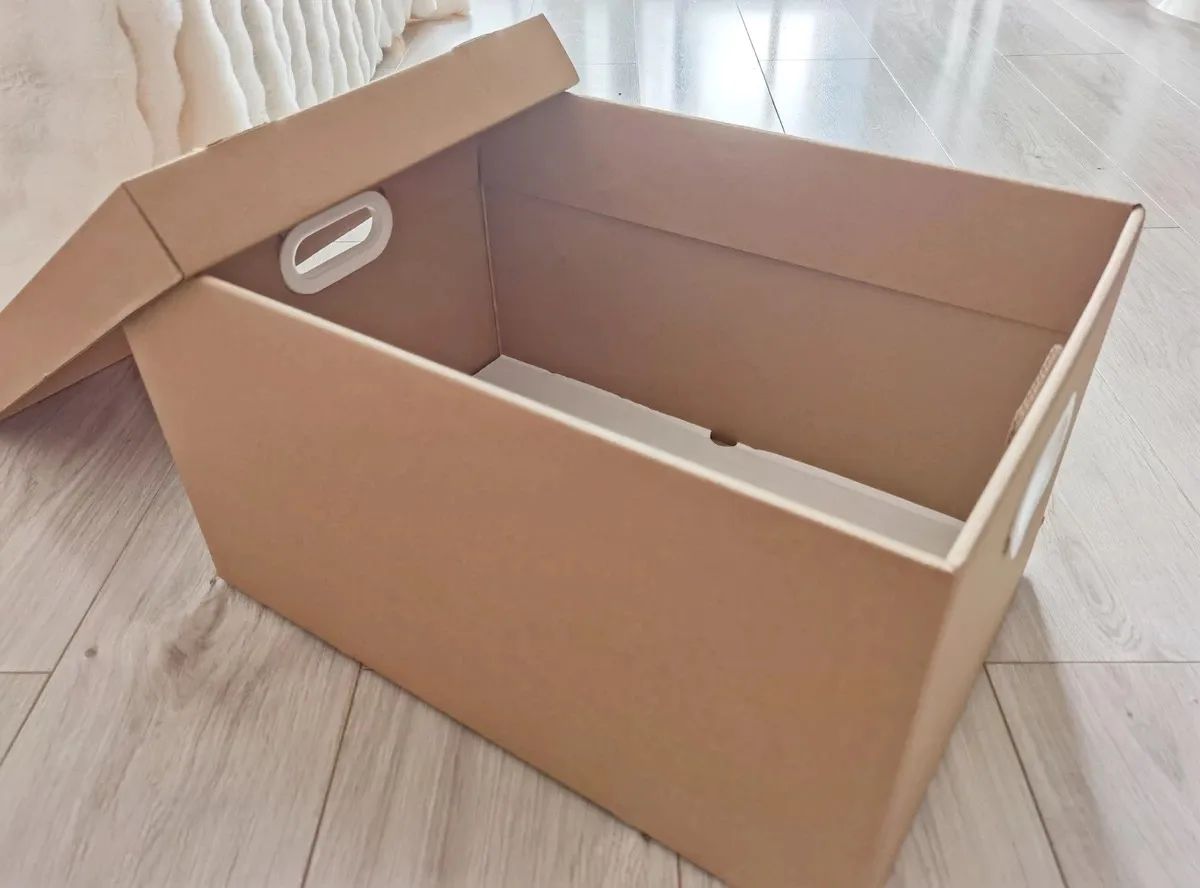
Most bag and case dimensions are based on empty shells, not on how people actually pack. A 20-inch carry-on might hold exactly three rolled shirts, one pair of jeans, and a toiletry bag—or it might swallow a hairdryer but leave no room for shoes. That gap comes from measuring the wrong things.
The sizes here start from the other direction: they're shaped around the items you're likely to carry, not the other way around. A small option takes a weekend's worth of clothes without forcing the zipper; the larger one leaves enough height for a second pair of sneakers or a folded jacket. Instead of guessing, you can use the actual stuff on your packing list as the reference point. If it fits in your drawer, it'll fit here.
No Tape, No Tools, No Time Wasted
Most setups demand a roll of tape, a screwdriver, and a spare half hour you don't have. This approach throws that script out. The surface comes ready to apply: peel the backing, press it into place, and let the built-in grip do the work. There's no residue to scrub off later, no alignment jig to hunt for, and definitely no pile of tools cluttering the counter when you finish.
That speed shows up in real moments. Mount a shelf before your coffee cools, swap a wall panel between meetings, or fix a loose edge while dinner simmers. Because the adhesive layer is already part of the design, you skip the measuring, cutting, and cleanup that normally eat into an afternoon. It simply sticks where you aim it and stays there.
The result feels less like a chore and more like a small upgrade. You stop planning around your tools and start acting on impulse: straighten a frame, secure a cable run, or add a hook when the need appears. When the last piece settles into place, the only thing left over is the time you would have spent taping, drilling, or searching for a missing bit.
Heavy-Duty Floors That Defy Gravity
Most industrial floors are expected to sit still and take a beating. But the latest heavy-duty systems do something far more ambitious — they lift, shift, and hold massive loads in positions that seem to ignore basic physics. The secret lies in interlocking modular panels paired with adjustable pedestals, creating a raised deck that can support forklifts, server racks, or CNC machines while leaving room for air, cables, and utility runs underneath.
What makes these floors feel gravity-defying isn't just strength, but controlled flexibility. Reinforced steel or engineered composite panels are designed to flex under load without cracking, redistributing weight across a grid of supports. This allows a single square meter to carry several tonnes while still allowing panels to be lifted out for maintenance — a combination that traditional poured concrete simply cannot match without enormous thickness and cost.
Installation teams often describe the moment a fully loaded pallet rolls across a floating floor as slightly surreal: the surface gives by a few millimeters, then springs back, as if the floor is breathing. That quiet resilience comes from tuned dampening and locking mechanisms, which remove the hollow bounce found in lighter access floors. The result is a platform that feels permanent underfoot yet remains completely demountable and reconfigured in hours.
Handles That Actually Feel Good to Grip
The first thing you notice is how the contour settles into your palm without demanding a death grip. The edges are rolled just enough to avoid digging into the base of your fingers, and the slight flare at the bottom gives your pinky a place to rest. That kind of shaping matters more than any spec sheet—it turns a casual hold into something you can maintain for an hour without readjusting.
Texture plays an equal role. A fine, almost skin-like grain on the contact points catches moisture instead of letting it pool, so your hold stays steady even when your hands get warm. The material underneath has a slight give—not squishy, but enough to absorb the small vibrations that would otherwise creep up your wrist. It feels less like gripping a tool and more like shaking hands with something designed around your anatomy.
Labeling System You'll Actually Follow
Most labeling advice falls apart because it asks you to remember too many rules. A system you'll actually follow starts with three broad buckets: keep, move, or decide later. If a label doesn't fit one of those at a glance, it's too specific to be useful on a busy day.
Write labels in shorthand that future-you can parse without rereading a manual. Swap vague words like "misc" for time-bound cues like "by Friday" or location hints like "top shelf." The goal isn't perfect categorization—it's making the next action obvious enough that you won't bother ignoring the label.
FAQ
Double-wall construction and reinforced corners make a huge difference. For glassware and ceramics, dish pack boxes with individual dividers are worth the extra few dollars.
They can be, especially if you move often or need weather resistance. Renting reusable plastic crates also saves you from breaking down stacks of cardboard afterward.
A rough count is 20 to 30 small, 15 to 20 medium, and 5 to 10 large boxes. Toss in a couple of wardrobe boxes if you want to keep clothes on hangers.
Look for die-cut handles or reinforced side grips. Handles reduce strain on your back and make getting up and down stairs much less awkward.
You can, but they're inconsistent in size and often flimsy. Produce boxes may carry residue or pests, so paying for uniform heavy-duty boxes usually saves time and prevents breakage.
Use a color-coded system with room names and a short contents list on at least two sides. Numbering each box and keeping a master list on your phone also helps track everything.
Yes, small book boxes or heavy-duty small cartons are ideal. They keep loads manageable and prevent the bottom from giving out mid-move.
Conclusion
Moving can turn into a chaotic blur of half-empty boxes and mystery stacks, but the right containers change that completely. These boxes are engineered for real life—not just for stacking in a truck. The first thing you'll notice is how the corrugated walls absorb the jolts of a cross-town drive, so your ceramic mugs and glassware arrive without that awful rattling feeling. Sizes actually make sense, too: there's a shallow option for books, a mid-size for kitchen gadgets, and a tall one for linens that never feels overstuffed. Skip the packing tape dispenser because the interlocking folds hold firm without any sticky mess. And if you've ever had a box bottom give out on the stairs, you'll appreciate the double-thick floor panels that keep everything suspended, not sagging.
Beyond strength, these boxes are built for how tired you'll be by hour five. The cut-out handles are wide enough for gloved hands and smooth enough to avoid that rope-burn grip. Once the box is sealed, the printed label zones make sorting feel almost automatic—no more guessing which room the blender belongs in. Because the labels are large and pre-printed with common categories, you can mark and move without hunting for a pen. The result is a move where unpacking happens in minutes, not days, because every box landed in the right spot and nothing collapsed on the way there. That's the kind of small upgrade that makes the whole process feel less like survival and more like a system.
Contact Us
Contact Person: Sasha Du
Email: [email protected]
Tel/WhatsApp: +86 13869836645
Website: https://www.zmjpackagings.com/