

Textile Industry Air Compressor: How to Choose the Right One
2026-10-13
Most textile mills don’t lose money because their air compressor is too small—they lose it because it’s the wrong kind for the job. Spinning, weaving, and finishing each pull air differently, and a mismatch often shows up as uneven tension, wasted energy, or unplanned stops. Seize Air has built systems around those specific demands, not just horsepower ratings. This guide walks through the selection points that determine whether your compressor becomes a quiet workhorse or a recurring headache.
Map Out Your Mill's Actual Air Demand Before Shopping
Before you commit to a new compressor or dryer, spend a couple of weeks logging actual air consumption at the point of use. Most mills run well below their nameplate capacity assumptions, and oversizing equipment wastes energy every single day. Walk the floor during different shifts, note when multiple tools or lines start at once, and check for pressure drops at the far end of the piping.
Instead of guessing from motor horsepower or past invoices, use a portable data logger or simple clamp-on flow meter to capture real demand patterns. You might find that a single high-draw operation only lasts ten minutes per hour, or that weekend shifts barely use any air. These details change the math entirely. Mapping demand also reveals hidden leaks—often 20 to 30 percent of total output in older mills—so fixing those first can shrink the required system size before you spend a dime.
Oil-Free vs. Lubricated: Which Keeps Fabric Cleaner?
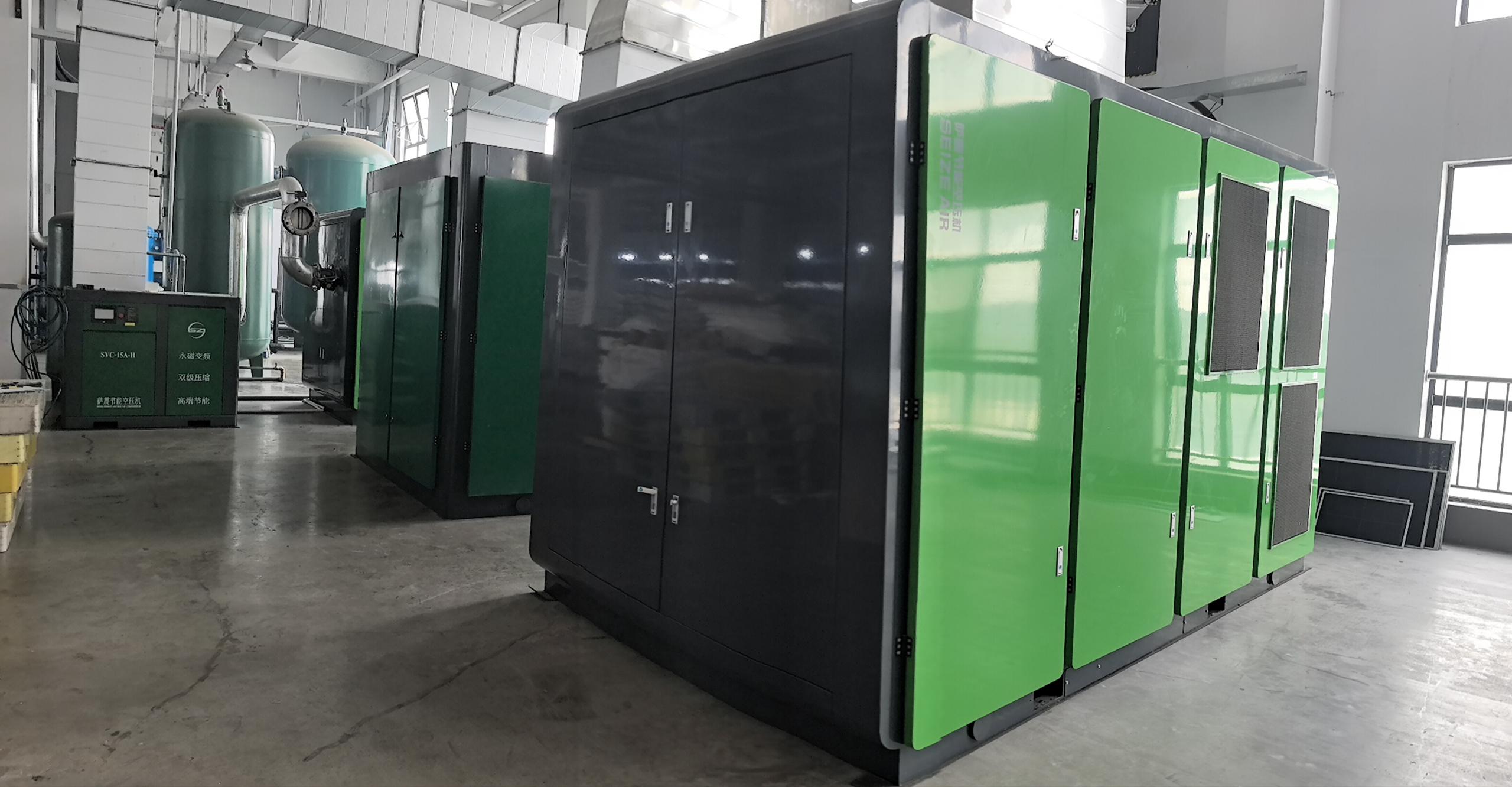
When the goal is keeping fabric free from contamination, the type of compressor you use matters more than most people realize. Oil-free compressors deliver air without any lubricating oil in the compression chamber, so the output stream doesn't carry oil vapor or microscopic droplets. That means whatever you're blowing off or treating—cotton, upholstery, delicate blends—stays just as clean as the air itself. Lubricated compressors, on the other hand, rely on oil for cooling and sealing, and even with downstream filtration, tiny amounts can slip through, especially under high heat or when maintenance lags.
Think about how fabric behaves: fibers are porous and naturally grab onto oily residues. Once a film of oil settles into a woven surface, it attracts dust, darkens over time, and becomes tough to remove without aggressive washing. In workshops or production lines where textiles are handled daily, that risk isn't theoretical. A lubricated compressor with a worn separator or a saturated filter can quietly mist fabric surfaces, leaving spots that show up only after finishing. Oil-free designs remove that failure point altogether, which is why they're favored in applications where cleanliness isn't just nice to have—it's the whole point.
Of course, lubricated compressors aren't inherently bad; many run for decades and power heavy-duty tools without issue. But if your priority is keeping fabric absolutely clean, the choice tilts strongly toward oil-free. You trade a bit of initial cost or perhaps noise characteristics for the certainty that no oil is entering the air path. Regular draining of moisture traps and checking filters still matters, but the fundamental risk of oil contamination drops to near zero. For anyone who has ruined a batch of fabric or a finished garment with an oily surprise, that peace of mind is worth far more than the price difference.
Variable Speed Drives Cut Energy Bills When Loads Fluctuate
Most motors in industrial and commercial buildings run at full speed regardless of actual demand. That’s fine when the load is constant, but many systems—fans, pumps, compressors—experience wide swings in flow or pressure requirements. Running at fixed speed during low-demand periods wastes a surprising amount of electricity, and those costs pile up month after month.
Adding a variable speed drive lets the motor match its output to what the process needs right now. Instead of throttling a damper or valve to reduce flow, the drive lowers the motor’s rotational speed. Because power consumption drops roughly with the cube of speed, even a 20% reduction in speed can cut energy use by nearly half. That’s not a small tweak—it’s the kind of saving that shows up clearly on the next utility bill.
The payback gets even better in systems where loads fluctuate frequently. A cooling tower fan that ramps down on mild days, a booster pump that slows when demand drops, or a ventilation system that backs off overnight all avoid the constant full-speed penalty. Over a year, these adjustments often recover the cost of the drive in a matter of months, not years.
Don't Overlook Dew Point and Filtration Needs
Many compressed air setups fail because the dew point spec gets picked once and never revisited. A dryer that worked fine in January can turn into a moisture source by July when ambient humidity spikes. If you’re running paint lines or precision pneumatics, even a few degrees of dew point drift will show up as fisheyes in coatings or sluggish valve response. Install a dew point sensor downstream of the dryer and check it against a handheld meter every few months — sensors drift, and the last thing you want is trusting a reading that’s quietly gone bad.
Filtration is another area where “good enough” thinking causes damage. A 40-micron general-purpose filter won’t stop the oil aerosols or sub-micron particulates that eat away at seals and clog fine orifices. Use a staged approach: a coalescing filter for oil and water, followed by a dry particulate filter, and add an activated carbon stage only if oil vapor or odor is actually present. Watch the pressure drop indicators — a filter that’s fully loaded stops protecting your system and just becomes a restriction.
Placement matters more than most people realize. Putting a filter right before a drop leg is smart, but installing one immediately after a hot compressor discharge without a cooler is mostly wasted effort. Hot, saturated air will re-condense downstream and undo whatever the filter caught. Keep filters where the air has cooled and the water has already dropped out, and you’ll get far more life from both the elements and the equipment they protect.
Noise, Heat, and Space Constraints in the Weave Room
The weave room was never quiet. Even with ear protection—if workers had any—the combined rattle of hundreds of looms created a constant metallic roar that made conversation impossible and left lasting damage. Long exposure meant shouting to be heard, lip-reading, and the kind of permanent hearing loss that old hands called "weaver's deafness."
Heat compounded the problem. Looms generated friction, and the room had to stay warm and damp to keep cotton or wool from snapping. In summer, temperatures climbed past ninety degrees Fahrenheit, and the air hung thick with humidity. Workers moved through aisles barely wider than their shoulders, ducking under overhead shafts and stepping over floor-mounted gears. Space was so tight that a moment's inattention could mean a crushed finger or a torn sleeve.
The layout prioritized machine density over human comfort. Rows of looms stretched from wall to wall, leaving only narrow walkways for doffers and fixers. The cramped conditions made it hard to oil or repair machinery without contorting around moving parts. For the people who spent ten or twelve hours a day there, the weave room wasn't just a workplace—it was a physical assault on the senses that followed them home in ringing ears and sweat-soaked clothes.
Service Life and Maintenance: Look Beyond the Purchase Price
The sticker price on a piece of equipment rarely tells the whole story. A cheap machine that demands frequent repairs, hard-to-find parts, or specialized technicians can quietly drain your budget long after the invoice is paid. Smart buyers flip the calculation: they ask how many hours of useful work a product will deliver before major components need replacing, and what routine care looks like.
Maintenance schedules are not just a line item in the manual; they are a window into the manufacturer's confidence. A well-designed product often comes with clear, realistic service intervals and replacement parts that remain available for years, not months. Before committing, check whether basic tasks like filter changes, belt tensioning, or software updates can be handled in-house or require costly service calls.
The real measure of value is cost per operating hour, not the price tag on the shelf. Two machines with a 20% price difference can reverse positions within a single year once downtime, labor, and part costs are factored in. Ask for historical failure rates, expected component life, and whether the warranty covers wear items. Those details reveal what ownership will actually feel like.
FAQ
Textile machinery rarely stops all at once, and air demand shifts constantly as looms, spinning frames, and finishing tools cycle on and off. A mill also has to handle airborne fiber and humidity, so the compressor must maintain stable pressure without overheating or sucking in contaminated air.
Start with the manufacturer's rated consumption per machine, then apply a usage factor based on how many units actually pull air at peak. Add about ten to fifteen percent for leaks and future additions. Measuring actual demand with a flow meter during a full production shift gives a far more reliable figure than relying on nameplate data alone.
Screw compressors with proper intake filtration often outlast piston units because they have fewer reciprocating parts exposed to dust. But the real difference comes from placing the intake away from carding and spinning areas, using coarse pre-filters, and scheduling frequent filter checks rather than choosing a type on brand alone.
Not always. It becomes essential when air touches yarn, cloth, or dye baths directly. For pneumatic controls, cylinder actuation, and general plant air, a well-maintained lubricated compressor with downstream filtration can work fine. Confirm whether your specific process has direct product contact before paying the premium for oil-free.
High moisture levels put extra load on dryers and can create condensate that damages air-powered tools and controls. In regions with humid seasons, an oversized refrigerated or desiccant dryer and automatic drains are usually more important than a bigger compressor. Monitoring dew point at the point of use catches problems before cloth quality suffers.
Lifetime cost almost always matters more. Energy can account for seventy percent or more of total cost over a decade, so a slightly more expensive variable-speed machine with lower idle losses can pay back quickly. Look at power consumption at partial load, maintenance intervals, and expected hours per year rather than the sticker price.
Mills rarely run at constant air demand across all shifts, and a variable speed drive lets the compressor match output to the actual load. It reduces electrical spikes when machines restart after breaks and keeps pressure within a tighter band, which helps avoid excessive wear on both the compressor and the fabric-handling equipment.
Conclusion
Choosing the right air compressor for a textile mill means starting with a clear picture of how much air your operation actually uses, not what the equipment brochure suggests. Map out air demand across all shifts, because loom start-ups, cleaning cycles, and seasonal production changes can swing loads dramatically. If your demand fluctuates, a variable speed drive compressor will match output to need and cut energy bills far more effectively than a fixed-speed unit that idles or blows off excess air. The oil-free versus lubricated question is less about maintenance preference and more about fabric contact. Any oil carryover can stain sensitive yarns or finished cloth, so oil-free is often the safer bet for weaving and spinning areas, while lubricated machines with high-quality coalescing filters may work fine in less critical zones. Don't ignore dew point and filtration either. Moisture in compressed air will clog air-jet looms and corrode pneumatic valves, so a properly sized dryer and point-of-use filters are non-negotiable.
Installation realities matter as much as motor specs. Weave rooms are already loud and hot, so compressor noise, heat rejection, and floor space must be checked before you buy. A compact, low-noise unit placed away from operator stations or in a separate utility room can reduce complaints and improve working conditions. Then look past the purchase price and compare service intervals, expected air-end life, parts availability, and energy consumption over five to ten years. A cheaper compressor that needs frequent rebuilds or runs inefficiently will cost far more over time. The right choice balances air quality, energy use, physical constraints, and long-term maintenance with your actual production patterns, not a generic template.
Contact Us
Contact Person: Mia
Email: [email protected]
Tel/WhatsApp: +86 19821985894
Website: https://www.seize-air.com