

Shopping Bag Factory Crafting Durable and Stylish Reusable Bags
2026-09-03
Every time you reach for a flimsy single-use bag, you are making a choice — but what if there was a better one waiting? At CHALLENGE WOLVES, we are not just another shopping bag factory. We are crafting durable, stylish reusable bags that refuse to compromise between form and function. Here is a look inside how we do it, and why your next bag should be built to last.
The Material Mix Behind Long-Lasting Bags
Durability rarely comes from a single fabric. It comes from how base textiles, reinforcement layers, and hardware work together. A heavy canvas body, for instance, can shrug off daily abrasion, while a hidden nylon liner stops moisture from soaking through at the seams. The real difference shows up in edge bindings and stress points, where double-folded webbing or bartack stitching prevents the kind of fraying that kills a bag in six months.
The zipper is often the first thing to fail, so smart material choices extend beyond fabric. Coil zippers with nickel-plated teeth survive far more cycles than cheap molded plastic, and metal sliders with a slight radius glide without chewing the tape. Similarly, buckles and D-rings made from die-cast zinc hold their shape under load, while lightweight plastic hardware gets brittle after a few seasons of temperature swings.
Then there is the finish. Waxed cotton and polyurethane-coated nylon both resist water, but they age differently. Waxed cloth picks up a patina and can be re-waxed; coated nylon wipes clean and keeps its structure. Blending these materials, like a Cordura base with leather handles, gives you the best of both: a bag that absorbs punishment in high-wear areas and still feels comfortable to carry for years.
Style That Doesn't Compromise on Strength
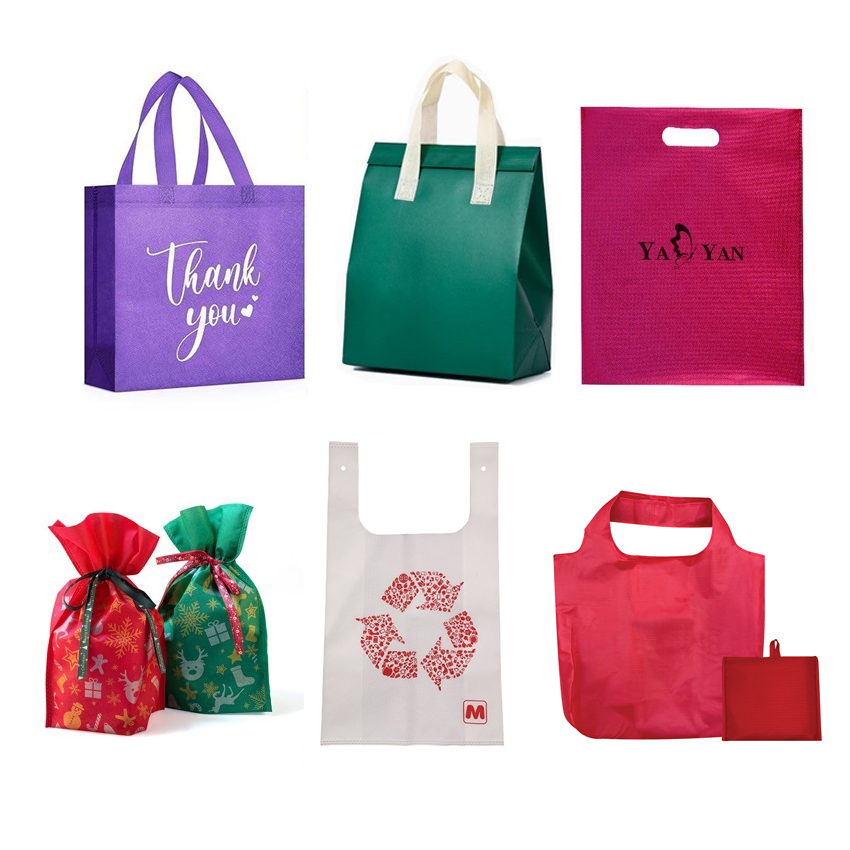
Most designs either look sharp or survive real life, rarely both. This one starts with load-bearing details: double-stitched stress points, a chassis that resists twisting, and hardware rated for far more than it will ever carry. The silhouette stays clean, so none of that reinforcement reads as bulky.
The result is an object that ages well instead of wilting after a season. Edges stay crisp, closures hold firm, and the finish doesn't scratch into dullness. You get the kind of quiet confidence that comes from knowing the form is doing actual work.
Reinforced Stress Points You Can't See (But Will Appreciate)
Most of the quiet failures in gear happen where two materials meet or where load changes direction. We've added extra carbon fiber patches at the internal seam junctions and switched to a slightly denser foam around the high-wear edges. You won't spot these from the outside, but after a few months of daily use, the lack of sag and creaking becomes noticeable.
The baseplate under the main compartment gets a grid of molded ribs that spread weight outward instead of letting it pool in the center. It's the kind of thing that never shows up in photos, yet it's why the bottom doesn't belly out when you pack heavy.
Even the zipper pulls are anchored through a double layer of bonded fabric, not just topstitched. That small change reduces the chance of the pull tearing away when your hands are full and you're yanking one-handed.
Customizing Your Bags Without the Hassle
Most people assume that personalizing a bag means either settling for whatever straps and charms are already attached, or spending hours hunting down parts that never quite match. The reality is far simpler when you stop treating customization as a project and start seeing it as a quick swap. Start with the one element that changes everything: the strap. A wide woven strap in an unexpected color instantly shifts a plain tote from office-ready to weekend-market casual. You don't need a sewing kit or special tools—just a sturdy clasp and thirty seconds.
Beyond straps, think in layers of low-effort touchpoints. A slim cardholder clipped to the front lets you carry transit passes without digging, while a small leather tassel tied to a zipper pull adds movement without bulk. If your bag has exterior D-rings, use them: carabiner a folded reusable shopping bag or a lightweight pouch for sunglasses. The trick is to choose pieces that clip, tie, or slide on—never ones that require cutting, gluing, or permanent alteration. This way, you can reset your bag every morning based on what the day actually holds.
What really removes the hassle is keeping a tiny customization kit in your entryway drawer: two alternate straps, three clip-on pouches, a couple of ribbon-like scarves, and a handful of metal loop rings. In under two minutes, you can rotate the bag you already love into a version that fits rain, travel, errands, or dinner. No waiting for custom orders, no risk of ruining the bag, and no pressure to commit to a single look. The bag stays yours, but it never stays boring.
What Happens on the Factory Floor Before a Bag Ships
Every bag starts as a stack of cut panels tagged with a work order. On the floor, the first real checkpoint is stitching. Operators run binding tape along raw edges, set strap anchors with bar tacks, and turn corners by hand where machines cannot follow. This is also where small flaws surface, a skipped stitch, a misalined zipper tape, or a tension issue that leaves the thread raised. Those pieces get pulled before they move down the line.
Next comes hardware and assembly. Buckles, D-rings, and magnetic snaps are attached with rivets or screws, then seams are pressed flat so the bag holds its shape. A dedicated bench checks symmetry: both handles the same length, the base panel centered, the flap closing without a twist. Bags that pass get a chalk mark, a silent signal to the next station that this one is ready.
The last stop before packing is a hands-on inspection under strong light. Zippers are opened and closed ten times, lining pockets are turned out, and the bag is loaded with a weighted insert to mimic real use. If threads are trimmed, hardware is polished, and the structure doesn't sag, it goes to the shipping table. Only then does the dust bag come out, and the bag is wrapped, boxed, and labeled for its journey.
Everyday Uses That Go Beyond a Quick Grocery Run
Most people reserve their sturdy canvas tote for supermarket trips, but it handles the daily commute just as well. A laptop, charger, spare layer, and lunch container slide right in without turning the bag into a shapeless lump. The wide straps distribute weight evenly, so you won't end up with an aching shoulder by mid-afternoon. Unlike a delicate shoulder bag, it shrugs off rain splashes and the occasional subway scuff without looking worse for wear.
Weekend outings reveal another side of this unassuming carryall. Heading to a park or a short trail? Throw in a picnic blanket, water bottles, a few snacks, and a small first-aid kit. Interior side pockets keep a thermos upright instead of rolling around. On the way back, those interesting rocks or pinecones your kid collected can go straight inside—there's no fussy lining to worry about snagging.
At home, it folds flat and hangs behind the door, ready for quick errands like picking up a package or grabbing a few things from the corner store. No more hunting for plastic bags. When traveling, it doubles as a spare luggage bag for dirty laundry or souvenirs, and the reinforced seams mean you can overpack a little without hearing anything rip.
FAQ
We mainly work with recycled cotton, organic canvas, and rPET non-woven fabrics. Each material is chosen for its balance of strength, washability, and minimal environmental impact.
Yes. We reinforce stress points like handles and bottom seams with double stitching and bar tacks, and our bags are load-tested up to 20 kg (44 lbs) before leaving the factory.
Absolutely. Clients can choose from screen printing, heat transfer, or embroidery, and we support small runs starting at 300 pieces. Your logo or artwork can be placed on both sides.
Our in-house design team follows seasonal color and pattern trends, and we offer options like contrast piping, leather-look trims, and foldable pouches that snap shut.
After artwork approval, most orders ship within 15-20 business days. Larger orders over 10,000 pieces may take up to 30 days, but we always confirm a timeline before you commit.
Yes, they are built for multiple years of use. Canvas and cotton versions can be machine-washed cold, while non-woven rPET bags can be wiped clean or hand-washed and air-dried.
We do. A pre-production sample with your actual materials and print is available within a week, so you can feel the weight, check the stitching, and approve colors.
We are certified to GRS (Global Recycled Standard) and OEKO-TEX Standard 100, and we run an internal waste-reduction program that reuses offcuts for smaller accessories.
Conclusion
At the heart of every reliable reusable bag is a deliberate choice of materials, and our factory starts there—blending high-denier polyester, cotton canvas, and tightly woven polypropylene to resist tearing long after checkout lines are forgotten. We don’t just stitch panels together; we map out stress points like bottom gussets, handle anchors, and side seams, then reinforce them with bar-tacks and double-needle stitching that stay hidden but prove their worth on the tenth trip to the farmers market. That means a bag that drapes well, carries heavy bottles without stretching out of shape, and still folds neatly when not in use. On the style side, the same care goes into colorfast dyes, clean edge binding, and prints that won’t crack or peel after repeated washing. You get a sharp-looking carryall that holds up to daily abuse—not a flimsy giveaway that falls apart by the third use.
Beyond construction, the factory floor is where quality stops being a promise. Every batch goes through seam-pull tests, stitch-count checks, and a final hand inspection before it ships, so a crooked logo or loose thread never leaves the building. Customizing your order shouldn’t feel like a hurdle either—our process lets you pick fabric weight, handle length, pocket placement, and screen-printed or embroidered artwork without endless back-and-forth emails. The result is a bag that moves easily from grocery runs to gym sessions, beach days, library hauls, or even a stylish lunch tote for the office. Because when a reusable bag is made with this level of intention, it stops being a single-use replacement and becomes a small daily tool you actually reach for.
Contact Us
Contact Person: Tony
Email: [email protected]
Tel/WhatsApp: +8615859766913
Website: https://www.cw-pak.com