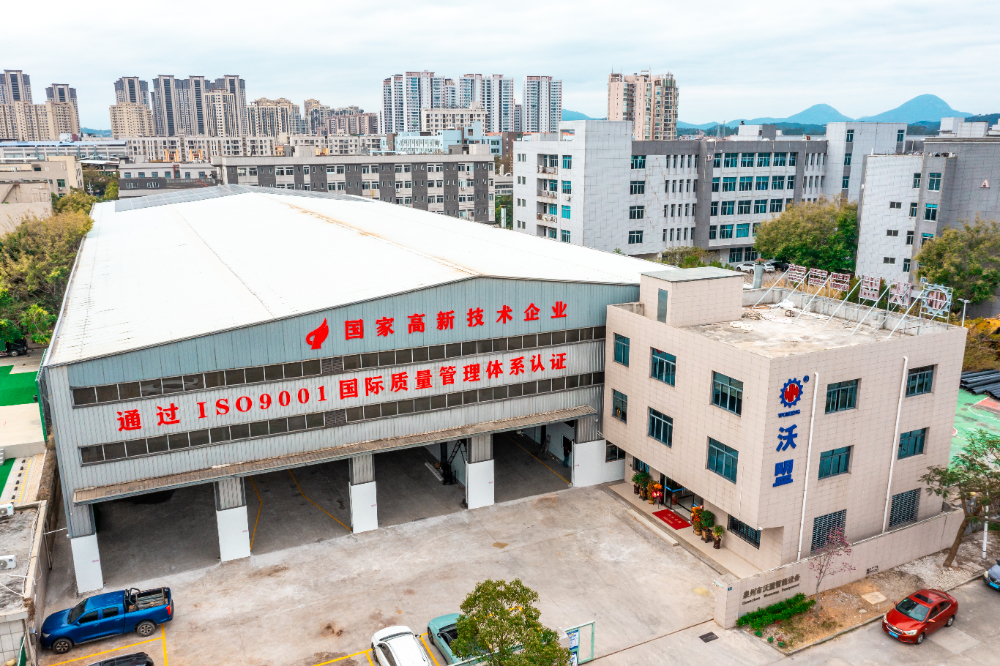

Sanitary Pad Production Line in China: Step-by-Step Manufacturing Process
2026-03-13
Ever wondered how over 300 million women in China access essential feminine hygiene products each month? The journey from raw materials to finished sanitary pads is a marvel of modern manufacturing precision and efficiency. In this exclusive look behind the scenes, we explore every stage of the sanitary pad production line, revealing the sophisticated technology and quality control measures that ensure comfort, safety, and reliability. At the heart of this process are innovators like Womeng, whose advanced machinery exemplifies industry leadership. Whether you're curious about industrial automation or seeking insights into sustainable practices, this step-by-step guide will transform how you view these everyday essentials. Join us as we unveil the meticulous craftsmanship driving China's hygiene revolution.
China's Role in Global Sanitary Pad Manufacturing
China stands as a dominant force in the global sanitary pad manufacturing landscape, producing a significant share of the world's supply, driven by its extensive industrial infrastructure and cost-effective production capabilities. With its vast network of factories and advanced machinery, the country efficiently meets both domestic demand, given its large population, and international markets, exporting to regions across Asia, Africa, and beyond. This role is bolstered by a competitive edge in raw material sourcing and economies of scale, allowing for affordable pricing that makes essential hygiene products more accessible worldwide.
Beyond sheer output, China's influence extends through innovation and technological adoption in the sanitary pad sector. Many manufacturers have embraced automation, research into biodegradable and sustainable materials, and development of specialized products catering to diverse consumer needs. This forward-thinking approach not only enhances product quality and variety but also positions Chinese companies as key players in shaping global trends, such as eco-friendly alternatives and smart hygiene solutions, reflecting a blend of tradition and modernity.
The country's involvement also highlights its pivotal role in global supply chains, particularly evident during disruptions that underscore China's reliability as a manufacturing hub. This has led to a growing recognition of its contributions to public health and women's empowerment by ensuring steady availability of sanitary pads, thereby supporting menstrual hygiene management initiatives. As the industry evolves, China continues to adapt, driving growth and setting benchmarks that influence production standards and market dynamics on an international scale.
Sourcing Raw Materials for Sanitary Pad Production
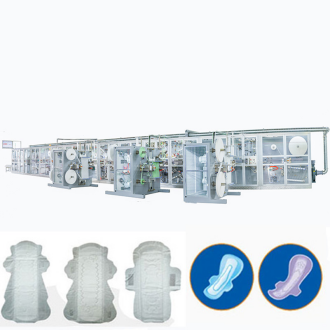
Securing the right raw materials is a critical first step in making sanitary pads that truly meet women's needs. Most pads rely on a mix of natural and synthetic components – think super-absorbent polymers, soft non-woven top sheets, and breathable backings. Companies are now looking beyond the usual suppliers, exploring sustainable options like organic cotton, bamboo fibers, or even plant-based plastics to cut down on environmental impact. It’s not just about quality; it’s about crafting a product that aligns with modern values and consumer demands for comfort and eco-friendliness.
Navigating the supply chain can be tricky, especially with global disruptions and shifting regulations. Manufacturers often partner with specialized producers for each layer, ensuring each material – from the adhesive strips to the moisture-lock cores – performs reliably. Some are turning to local sources to reduce shipping delays and carbon footprints, while others invest in R&D to develop biodegradable alternatives. The goal is a seamless blend of innovation and practicality, creating pads that are both effective and kind to the planet.
What sets leading brands apart is their attention to detail in sourcing. They don’t just buy materials; they vet suppliers for ethical practices, test batches for safety, and tweak blends for better performance. For example, a shift to chlorine-free wood pulp or recycled packaging can make a pad stand out on shelves. It’s a balancing act – keeping costs in check without compromising on what matters most to users: comfort, reliability, and a clear conscience.
Advanced Machinery and Assembly Line Setup
Implementing advanced machinery and assembly line configurations transforms production facilities into hubs of precision and efficiency. By integrating robotics, automated conveyors, and sophisticated control systems, companies can achieve faster turnaround times while minimizing human error. This approach not only boosts output but also enhances product consistency, making it a game-changer for industries demanding high-quality standards.
Tailoring assembly lines to specific production needs involves selecting equipment that complements workflow dynamics. For instance, modular setups allow quick adjustments for different product batches, while smart sensors provide real-time data to optimize performance. Such flexibility ensures that operations remain agile, adapting seamlessly to market changes and reducing downtime.
Investing in state-of-the-art machinery often pays off through long-term cost savings and competitive advantages. By reducing waste and improving safety protocols, these setups foster a more sustainable and productive environment. Ultimately, a well-planned assembly line becomes the backbone of operational excellence, driving innovation and growth.
Quality Control and Hygiene Standards in China
Navigating the intricacies of quality control in China reveals a robust and evolving regulatory landscape aimed at safeguarding consumer health and enhancing product reliability. Local authorities, including the National Medical Products Administration and the State Administration for Market Regulation, enforce stringent protocols across sectors, from food production to pharmaceuticals. These measures often incorporate advanced technologies like blockchain for traceability and real-time monitoring systems to ensure compliance with both domestic standards and international benchmarks such as ISO certifications. By continuously updating guidelines based on global best practices, China's approach strives to minimize risks while fostering innovation in quality assurance.
In the context of hygiene, China's standards have gained prominence, especially following heightened public awareness post-pandemic. Industries ranging from hospitality to manufacturing adhere to detailed sanitary codes that mandate regular inspections, employee training, and use of eco-friendly disinfectants. What sets these practices apart is their integration with digital tools—for instance, smart sensors in food processing plants that automatically detect contaminants, and apps that allow consumers to verify hygiene ratings at restaurants. This blend of traditional diligence with modern tech not only boosts safety but also builds trust among international partners, positioning China as a leader in proactive health compliance.
Beyond regulatory frameworks, the cultural emphasis on diligence and collective responsibility underpins hygiene efforts, making standards more than just legal requirements. Community-driven initiatives, such as public health campaigns and corporate social responsibility programs, complement official oversight by promoting clean environments and ethical production. This holistic model ensures that quality and hygiene are woven into daily operations, from small workshops to multinational factories, creating a resilient ecosystem that adapts swiftly to emerging challenges while maintaining a competitive edge in global markets.
Packaging and Distribution Processes in Manufacturing
In the world of manufacturing, packaging and distribution are crucial stages that bridge production with the end consumer. Packaging serves not only to protect products during transit but also to enhance brand identity, provide essential information, and ensure safety compliance. From selecting eco-friendly materials to incorporating smart technologies like RFID tags, modern packaging solutions are evolving to meet both logistical and marketing demands. By optimizing these processes, companies can reduce waste, lower costs, and improve the overall customer experience, making a significant impact on sustainability and profitability.
When it comes to distribution, the focus shifts to efficiency and reliability in moving goods from factories to warehouses, retailers, or directly to customers. This involves coordinating transportation modes—such as trucks, ships, or air freight—while managing inventory and supply chain dynamics. Advanced systems, like real-time tracking and automated warehousing, help manufacturers streamline operations, minimize delays, and respond swiftly to market changes. A well-orchestrated distribution network ensures products reach their destinations intact and on time, fostering trust and repeat business in a competitive global landscape.
Overall, integrating packaging and distribution into a seamless workflow requires careful planning and innovation. Manufacturers must adapt to varying regulations, consumer preferences, and environmental pressures, balancing functionality with aesthetics. By leveraging data analytics and collaborative partnerships, they can create resilient processes that not only deliver goods effectively but also add value at every touchpoint. This holistic approach turns packaging and distribution from mere operational tasks into strategic assets that drive growth and customer satisfaction.
Environmental Considerations in Sanitary Pad Production
The production of sanitary pads involves several environmental factors that manufacturers need to address to minimize their ecological footprint. Key concerns include the sourcing of raw materials, such as cotton and plastic components, which can contribute to resource depletion and pollution if not managed sustainably. For instance, conventional cotton cultivation often relies on heavy pesticide and water use, impacting soil health and water resources. By opting for organic cotton or recycled materials, producers can significantly reduce these negative effects while maintaining product quality and safety.
Another critical aspect is the manufacturing process itself, where energy consumption and waste generation play major roles. Many facilities are now investing in renewable energy sources like solar or wind power to cut down on greenhouse gas emissions. Additionally, adopting closed-loop systems helps recycle water and materials, reducing overall waste. Some companies have even introduced biodegradable or compostable pads to tackle the issue of disposal, as traditional pads can take centuries to decompose in landfills, posing long-term environmental hazards.
Beyond production, end-of-life management is a growing focus, with initiatives aimed at improving disposal and recycling options. Educating consumers about proper disposal methods and promoting reusable alternatives are part of broader efforts to lessen environmental impact. Overall, integrating eco-friendly practices into sanitary pad production not only benefits the planet but also appeals to environmentally conscious consumers, driving industry innovation toward more sustainable solutions.
FAQ
The process typically begins with raw material preparation, where components like fluff pulp, polymer, and nonwoven fabrics are sourced and quality-checked for consistency and safety.
During core formation, fluff pulp and superabsorbent polymers are blended and shaped into the absorbent core, often using air-laid technology to ensure even distribution and high absorbency.
Bonding involves using heat or adhesives to securely attach layers such as the top sheet, back sheet, and wings, creating a durable and leak-proof structure that maintains comfort during use.
Rigorous quality control checks, including absorbency tests, material inspections, and hygiene assessments, ensure products meet national standards and consumer expectations for reliability and health safety.
After assembly, pads are sterilized using methods like UV or ethylene oxide, then automatically packaged in sealed wrappers to preserve hygiene and extend shelf life.
Recent advancements include eco-friendly materials like biodegradable polymers, smart production lines with AI monitoring, and designs focused on enhanced comfort and sustainability.
Many facilities now incorporate waste reduction techniques, such as recycling excess materials and using energy-efficient machinery, to minimize environmental impact and comply with green regulations.
Factories enforce strict safety protocols, including personal protective equipment, regular training on handling chemicals, and ergonomic workstations to prevent injuries and ensure a healthy work environment.
Conclusion
China's dominance in the global sanitary pad manufacturing landscape is unparalleled, producing over 70% of the world's supply. This pivotal role is supported by an intricate, step-by-step production process that begins with sourcing high-quality raw materials locally and internationally. The process involves procuring absorbent polymers, non-woven fabrics, and adhesives, which are then processed on advanced, automated assembly lines. These state-of-the-art machinery setups enable efficient, large-scale production, minimizing human intervention while maximizing output. As a result, China not only meets domestic demand but also exports to numerous countries, cementing its reputation as a manufacturing hub for personal hygiene products.
Quality control and hygiene are paramount throughout the manufacturing process, with stringent standards enforced to ensure product safety and efficacy. This includes rigorous testing at various stages, from raw material inspection to final assembly, adhering to both national and international regulations. Packaging is streamlined to maintain hygiene and facilitate distribution, with eco-friendly options increasingly incorporated to address environmental concerns. By integrating sustainability measures, such as reducing waste and using biodegradable materials, Chinese manufacturers are evolving to meet global environmental expectations, making the production line not only efficient but also more responsible and innovative.
Contact Us
Contact Person: Jessie Lai
Email: [email protected]
Tel/WhatsApp: 86-188594442931
Website: https://www.wm-machinery.com