

Q235B Solar Steel: Top Factory Solutions for Renewable Energy Projects
2026-01-29
In the quest for sustainable energy solutions, Q235B solar steel emerges as a critical material shaping renewable energy projects worldwide. At Energet Solar, we understand the pivotal role of high-quality steel in building robust solar structures that stand the test of time. This blog explores top factory solutions, highlighting innovative approaches and best practices in the industry. From durability to cost-effectiveness, discover how Q235B steel is revolutionizing renewable energy infrastructure. Ready to delve into the future of green energy? Let’s explore.
Understanding Q235B Steel: The Backbone of Solar Projects
Q235B steel has quietly become indispensable in solar energy projects, thanks to its blend of economy and performance. This carbon steel, with its moderate yield strength of 235 MPa and good weldability, is often the go-to material for structural components like mounting frames and support brackets. Its ability to withstand everyday stresses while keeping costs down makes it a practical choice, especially in large-scale installations where budgets are tight. Unlike some flashier alloys, Q235B doesn't promise miracles—it just gets the job done reliably, forming the hidden skeleton that keeps solar panels angled toward the sun year after year.
What sets Q235B apart in solar applications isn't just its specs but its real-world adaptability. In varied climates, from scorching deserts to coastal areas, this steel's composition—enhanced with elements like manganese for better toughness—helps it resist corrosion when properly coated. It's easy to fabricate on-site, allowing for quick adjustments during installation without specialized tools. For projects aiming to balance durability with rapid deployment, Q235B offers a straightforward solution that minimizes delays and maintenance headaches, ensuring solar arrays stay operational with minimal fuss.
In the push for greener energy, Q235B steel supports sustainability beyond just holding panels up. Its production process is relatively energy-efficient compared to higher-grade steels, and its long service life reduces the need for frequent replacements. By choosing a material that's both effective and low-impact, solar developers can enhance the overall environmental benefits of their projects. This humble steel proves that sometimes, the best backbone isn't the strongest or most expensive—it's the one that quietly endures, helping solar power shine brighter for everyone.
Why Manufacturers Rely on Q235B for Solar Panel Mounting
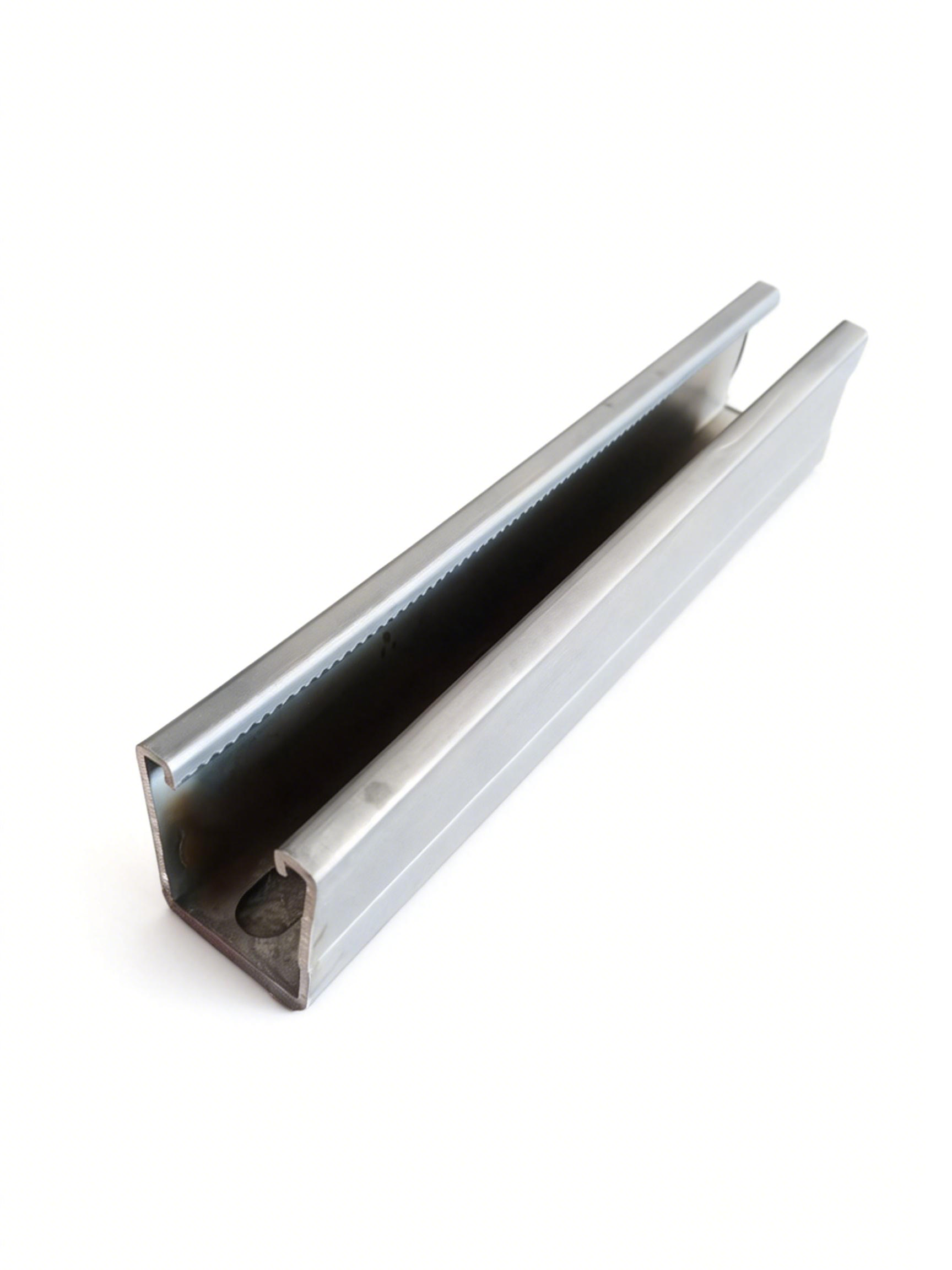
When it comes to securing solar panels in place, manufacturers often turn to Q235B steel for their mounting systems. This material stands out due to its excellent balance of strength and formability, which is crucial for supporting panels across various terrains and weather conditions. Unlike some alternatives that may crack under stress or corrode quickly, Q235B offers reliable support that helps maximize the longevity and efficiency of solar installations.
Beyond durability, Q235B is favored for its cost-effectiveness and availability in the global market. Solar projects, especially large-scale ones, need to manage budgets carefully without compromising on safety or performance. Q235B provides a solution that meets these demands, allowing manufacturers to produce mounting structures that are both affordable and robust. This makes it easier to expand renewable energy setups, whether in residential areas or on industrial sites.
Another key aspect is Q235B's versatility and ease of fabrication. Manufacturers can easily shape and weld this steel to create custom mounting designs tailored to specific project needs, such as sloped roofs or ground-mounted arrays. This flexibility supports innovation in solar technology, enabling more efficient and aesthetically pleasing installations that adapt to diverse environments and client preferences.
Factory Innovations Enhancing Q235B Performance in Energy Solutions
In the rapidly evolving energy sector, factories are implementing groundbreaking innovations to significantly boost the performance of Q235B steel, a versatile carbon steel widely used in construction and infrastructure. These advancements focus on refining the material's inherent properties, such as strength, ductility, and corrosion resistance, making it more suitable for demanding applications like wind turbine towers, solar panel frames, and energy storage facilities. By applying techniques like controlled heat treatment and precision rolling, manufacturers are tailoring Q235B to withstand harsh environmental conditions, ensuring greater reliability and longevity in energy projects.
A key innovation involves the integration of advanced coatings and surface treatments that enhance Q235B's durability against weather and chemical exposure common in power plants and renewable installations. Factories are now employing automated processes to apply these protective layers uniformly, reducing maintenance needs and prolonging the steel's service life. This not only cuts down operational costs but also supports the push for sustainable energy by minimizing material replacement. Additionally, real-time quality monitoring systems have been introduced on production lines to detect flaws early, resulting in a more consistent product that meets stringent energy industry standards.
Beyond material enhancements, factories are rethinking fabrication methods to improve Q235B's performance through innovative welding techniques and modular assembly. New welding processes, like laser welding, create stronger joints with less thermal distortion, allowing for more complex and efficient structures such as transformer housings and pipeline supports. These innovations enable quicker deployment of energy infrastructure, which is critical in fast-paced projects like grid expansions or offshore wind farms. By blending traditional steel strengths with modern manufacturing insights, these factory-driven improvements help position Q235B as a cost-effective, robust choice for a greener energy future.
Cost-Effective Q235B Solutions for Renewable Energy Installations
Q235B steel offers a smart choice for renewable energy projects aiming to balance performance with budget considerations. Its combination of strength, weldability, and affordability makes it a go-to material for mounting systems, structural supports, and frames in solar and wind installations. By leveraging Q235B, developers can cut initial costs without sacrificing durability, ensuring reliable infrastructure that withstands environmental stresses.
In practice, Q235B's versatility shines across diverse renewable applications. For solar farms, it forms sturdy racking systems that hold panels securely, while in wind energy, it's often used for tower bases and ancillary structures. Its mechanical properties, including yield strength and elongation, align well with industry standards, providing a robust backbone that enhances project longevity and reduces maintenance needs over time.
Overall, integrating Q235B into renewable energy setups not only boosts cost-efficiency but also supports scalable growth. By minimizing material expenses upfront, it frees up resources for expansion or technology upgrades, making clean energy more accessible and resilient in the long run.
Durability and Weather Resistance of Q235B in Solar Applications
Q235B steel offers solid durability for solar installations, resisting common environmental stresses such as wind loads and minor impacts. In solar panel mounting systems, its mechanical strength ensures long-term structural integrity without significant degradation, making it a reliable choice for industrial and commercial projects.
Weather resistance is another key advantage, as Q235B can handle exposure to moisture, UV radiation, and temperature fluctuations typical in outdoor settings. When properly coated or galvanized, it effectively prevents rust and corrosion, which is crucial for maintaining performance in harsh climates or coastal areas where solar setups face added challenges from salt and humidity.
Compared to alternative materials, Q235B provides a cost-effective balance of toughness and weatherproofing, requiring minimal maintenance over its lifespan. This reduces overall operational costs and enhances sustainability in solar applications, as fewer repairs or replacements are needed.
Customizing Q235B Steel Fabrication to Meet Project Specifications
Customizing Q235B steel fabrication involves tailoring standard processes to align with specific project needs, such as unique structural dimensions, load-bearing requirements, or environmental conditions. This approach ensures that the steel components not only meet general quality standards but also integrate seamlessly into the overall design, enhancing durability and performance in applications ranging from construction frames to industrial machinery. By adjusting cutting, welding, or heat treatment techniques, fabricators can optimize the material's properties, like strength and corrosion resistance, to suit demanding project specifications.
Beyond routine modifications, successful customization requires close collaboration between engineers, designers, and fabricators to anticipate challenges like weld integrity under stress or dimensional accuracy in complex assemblies. For instance, in a project requiring high wind resistance, Q235B steel might be fabricated with reinforced joints and precise tolerances, validated through rigorous testing. This proactive planning helps avoid delays and cost overruns, ensuring that the final product reliably supports the project's functional and safety goals.
Moreover, leveraging advanced technologies, such as CNC machining or automated welding systems, can refine customization efforts, producing components with consistent quality and reduced waste. This not only meets project specifications more efficiently but also supports sustainable practices by minimizing material use. Ultimately, customizing Q235B steel fabrication transforms a versatile material into a tailored solution, driving innovation and value in diverse industrial and construction settings.
FAQ
Q235B solar steel is known for its high tensile strength, excellent weldability, and corrosion resistance, which are crucial for enduring harsh environmental conditions in solar installations, ensuring longevity and reliability.
Compared to aluminum or stainless steel, Q235B offers a cost-effective balance of strength and durability, making it a popular choice for large-scale projects where budget and performance need to be optimized without compromising on safety.
Top factories often use advanced testing methods like ultrasonic inspections and chemical analysis to ensure material composition meets standards, along with rigorous checks for dimensional accuracy and surface finish to prevent defects in the field.
Yes, it is fully recyclable, which reduces waste and environmental impact. This aligns with the green goals of renewable projects by promoting circular economy practices and lowering the overall carbon footprint.
Apart from mounting racks, it's used in support frames, ground screws, and junction box housings, due to its versatility and ability to handle mechanical stresses in various installation scenarios.
While resistant to corrosion, prolonged exposure to moisture, UV radiation, or extreme temperatures can lead to slow degradation, so proper coatings or galvanization are recommended to enhance durability in diverse climates.
Innovations include automated fabrication processes for precision cutting and bending, as well as developing hybrid coatings that combine anti-corrosion properties with lightweight designs to reduce material usage without sacrificing strength.
Conclusion
In the rapidly evolving landscape of renewable energy, Q235B steel has emerged as a cornerstone for solar projects, serving as the backbone that supports the structural integrity of solar panel mounting systems. Manufacturers widely rely on this versatile material due to its excellent balance of strength, affordability, and adaptability, making it an ideal choice for customizing fabrication to meet diverse project specifications. Innovations in factory processes have further enhanced Q235B's performance, enabling more efficient and durable energy solutions that withstand harsh environmental conditions.
The cost-effectiveness and enhanced durability of Q235B steel contribute significantly to the economic viability and longevity of renewable energy installations. Its superior weather resistance ensures long-term reliability in solar applications, reducing maintenance costs and maximizing energy output. By integrating these aspects, Q235B solar steel facilitates innovative, tailored solutions that drive the success of renewable energy projects, aligning with the growing demand for sustainable infrastructure.
Contact Us
Contact Person: Simon
Email: [email protected]
Tel/WhatsApp: 8613672181100
Website: https://energetsolar.com/