

Polymer Insulator Supplier: Essential Guide to Quality and Reliability in Electrical Systems
2026-01-05
Welcome to our essential guide on polymer insulators, where quality and reliability are paramount for modern electrical systems. In today's rapidly evolving power infrastructure, selecting the right components can make all the difference in safety and efficiency. If you're exploring polymer insulator suppliers, you know that not all options are created equal. That's where Lugao stands out—our commitment to innovation and durability is reshaping industry standards, ensuring that electrical networks remain robust and resilient against the toughest challenges. Let's dive into the key factors that define excellence in this field and discover how making informed choices can elevate your projects to new heights.
Selecting High-Quality Polymer Insulators: Key Criteria for Durability and Performance
When it comes to choosing polymer insulators for electrical applications, durability and performance are non-negotiable factors that can make or break a system's reliability. Unlike traditional ceramic or glass insulators, polymer options offer lightweight and corrosion-resistant benefits, but not all are created equal. A high-quality polymer insulator should withstand harsh environmental conditions—be it UV exposure, extreme temperatures, or chemical pollutants—without compromising its insulating properties over time. This means looking beyond just initial cost savings and focusing on long-term resilience, ensuring the insulator maintains its structural integrity and electrical resistance through years of service in demanding settings like power transmission lines or substations.
Key criteria for durability often start with the material composition and manufacturing process. Top-tier polymer insulators typically use high-grade silicone rubber or ethylene propylene diene monomer (EPDM) compounds, which are engineered to resist tracking and erosion, common issues that lead to failures in subpar products. Additionally, the design should incorporate features like robust core materials, such as fiberglass rods, and effective sealing against moisture ingress, preventing internal degradation. Performance-wise, factors like leakage distance, creepage distance, and pollution performance ratings are critical; these determine how well the insulator prevents flashovers and maintains safety under wet or contaminated conditions. It's not just about meeting standard certifications but selecting products with proven real-world track records in similar applications.
To truly stand out in a market flooded with options, consider insulators from manufacturers that prioritize innovation and rigorous testing. Look for those that conduct extensive aging tests, simulate decades of environmental stress, and provide transparent data on failure rates. Engaging with suppliers who offer customized solutions based on specific site conditions, rather than one-size-fits-all approaches, can also enhance durability and performance. Ultimately, investing in high-quality polymer insulators pays off by reducing maintenance costs, minimizing downtime, and ensuring a safer, more efficient electrical infrastructure, making it a smart choice for projects where reliability is paramount.
Advanced Manufacturing Processes: How Leading Suppliers Ensure Insulator Reliability
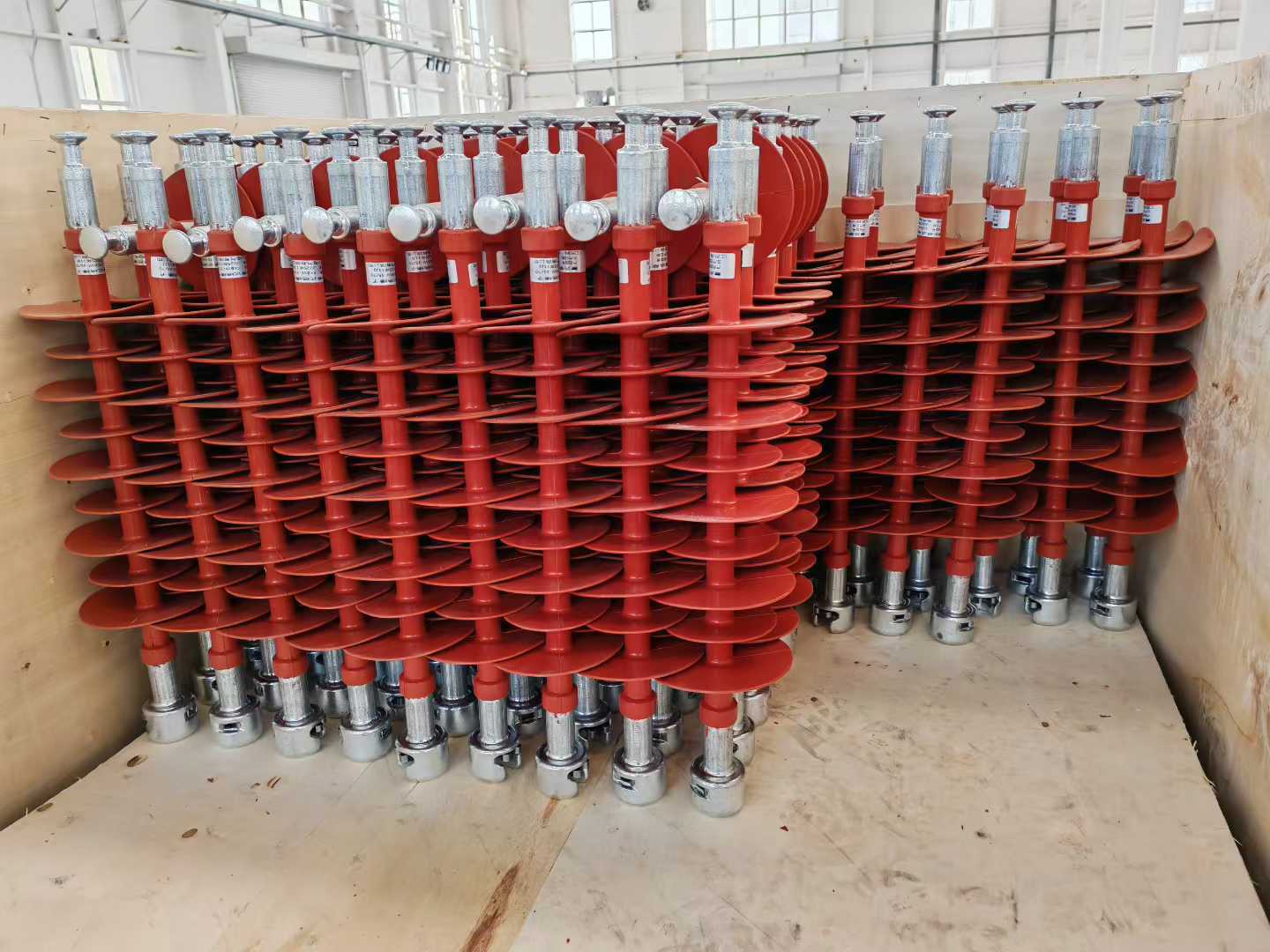
In the pursuit of reliability, top-tier suppliers leverage cutting-edge manufacturing techniques, such as additive manufacturing and precision molding, to produce insulators with unparalleled structural integrity. These processes allow for intricate designs and consistent material properties, reducing defects that could lead to premature failure in demanding environments like high-voltage power systems or aerospace applications.
Beyond innovative fabrication, these suppliers employ rigorous quality control protocols, integrating real-time monitoring and automated inspection systems. By analyzing data from each production stage, they can swiftly identify and address potential weaknesses, ensuring every insulator meets stringent performance standards and adapts to evolving industry requirements without compromising on durability.
Moreover, collaboration with material scientists and end-users enables suppliers to tailor insulators for specific conditions, such as extreme temperatures or corrosive atmospheres. This holistic approach, combined with continuous research into advanced composites, solidifies their role as pioneers in delivering components that not only function reliably but also extend the lifecycle of critical infrastructure through proactive innovation.
Testing and Certification Standards: Validating Insulator Quality for Electrical Safety
When it comes to ensuring the reliability of electrical systems, robust testing and certification standards play a critical role in validating insulator quality. These standards are not just bureaucratic checkboxes; they’re rigorous protocols developed by international bodies like IEC, IEEE, and ASTM, which simulate real-world stress conditions to assess performance. For instance, tests often include high-voltage withstand trials, mechanical loading assessments, and environmental exposure checks to detect any weaknesses before insulators are deployed in the field. By adhering to these benchmarks, manufacturers can confidently guarantee that their products meet stringent safety requirements, reducing risks of failures that could lead to electrical outages or hazards.
What sets apart these standards is their evolution to address modern challenges, such as integrating advanced materials like composite polymers or adapting to harsher climates due to climate change. Unlike generic guidelines, certification processes like those from UL or TUV involve third-party verification, adding an extra layer of credibility. This means every batch of insulators undergoes scrutiny, with results documented for traceability—empowering utilities and industries to make informed choices without relying on vague claims. In essence, these standards serve as a vital bridge between innovation and safety, ensuring that new designs don't compromise on durability or electrical integrity.
Ultimately, the value of these testing frameworks extends beyond compliance; they foster trust across the supply chain by providing transparent, repeatable methods to measure quality. By emphasizing performance under extreme conditions, such as pollution flashover tests for coastal areas or seismic resistance evaluations, they help tailor solutions to specific applications. This proactive approach not only enhances electrical safety but also drives continuous improvement in insulator technology, making our infrastructure more resilient and efficient in the long run.
Customizable Solutions: Tailoring Polymer Insulators to Specific System Requirements
When it comes to polymer insulators, one size definitely doesn’t fit all. Different power systems come with unique challenges—be it extreme weather, high pollution levels, or the need for compact designs in urban areas. That's where customization steps in, allowing us to tweak materials, shapes, and coatings to meet exact performance demands.
Imagine an insulator that's not just built to last, but specifically engineered to resist salt fog in coastal regions or UV degradation in sunny climates. By tailoring the core components and external features, we can enhance durability and reliability, ensuring these insulators perform flawlessly under the precise conditions they’ll face.
This bespoke approach means you get solutions that align perfectly with your operational needs, whether it's for high-voltage transmission lines or sensitive substation applications. It’s about creating insulators that don’t just meet standards but exceed expectations, providing a fit that’s as unique as your system itself.
Maintenance and Longevity: Best Practices for Prolonging Insulator Lifespan
Regular inspection and routine maintenance are crucial for extending the lifespan of insulators in electrical systems. By implementing a consistent schedule to check for signs of wear, contamination, or damage, operators can address issues before they escalate into costly failures. Simple practices like cleaning dirt and pollutants from surfaces can significantly reduce the risk of flashovers and ensure optimal performance over the long term.
Applying protective coatings and utilizing advanced materials tailored to specific environmental conditions can further enhance insulator durability. For instance, in coastal areas with high salt exposure, choosing silicone-based insulators or applying hydrophobic coatings helps prevent salt-induced degradation. This proactive approach not only minimizes maintenance frequency but also boosts reliability, making it a smart investment for infrastructure resilience.
Adopting a holistic strategy that combines monitoring technologies with predictive analytics allows for early detection of potential problems, moving beyond reactive fixes. By integrating these best practices into standard operating procedures, organizations can achieve a balance between cost-efficiency and extended service life, ultimately safeguarding power distribution networks against premature wear and environmental stressors.
Innovative Materials and Technologies: Enhancing Efficiency in Modern Electrical Applications
In recent years, the electrical industry has witnessed a surge in the development of novel materials and cutting-edge technologies that significantly boost efficiency across various applications. For instance, the integration of graphene and other two-dimensional materials in conductors and semiconductors has led to unparalleled reductions in energy loss and heat generation. These advancements allow for more compact and powerful devices, from household appliances to industrial machinery, while minimizing their environmental footprint through improved thermal management and conductivity.
Beyond materials, smart technologies like AI-driven predictive maintenance and IoT-enabled energy monitoring systems are transforming how electrical networks operate. By analyzing real-time data, these tools optimize power distribution, prevent outages, and enhance the reliability of smart grids. This not only cuts costs for consumers and businesses but also supports the transition to renewable energy sources by ensuring stable integration of solar and wind power into existing infrastructure.
Looking ahead, innovations such as superconducting cables and advanced battery technologies promise to further revolutionize efficiency. Superconductors eliminate electrical resistance entirely, enabling lossless power transmission over long distances, while next-generation batteries with higher energy densities and faster charging capabilities are critical for electric vehicles and grid storage. Together, these materials and technologies pave the way for a more sustainable and resilient electrical ecosystem.
FAQ
When selecting polymer insulators, prioritize UV-resistant materials, robust hydrophobic properties, and a proven track record in harsh environments to ensure longevity and minimal maintenance.
Polymer insulators offer superior performance in humid or polluted conditions by repelling water, reducing flashover risks and enhancing safety in electrical grids.
Reputable suppliers typically comply with international standards like IEC 61109 and ASTM D2303, along with regular testing for mechanical strength and electrical performance validation.
High-quality silicone or EPDM rubbers resist environmental degradation, preventing issues like tracking and erosion that can lead to premature failure in electrical systems.
Check for industry certifications, customer testimonials from utility companies, and case studies showing performance in real-world applications over several years.
While requiring less cleaning than ceramic, periodic inspections for cracks or contamination are essential to maintain insulation integrity and prevent unexpected outages.
Conclusion
In the electrical systems industry, polymer insulator suppliers play a crucial role in ensuring quality and reliability, guided by key criteria such as material durability and performance standards. When selecting high-quality insulators, factors like resistance to environmental stressors and mechanical strength are prioritized to prevent failures. Advanced manufacturing processes, including precision molding and automated quality controls, further enhance reliability by minimizing defects. Leading suppliers integrate rigorous testing and certification standards to validate insulator quality, ensuring compliance with safety regulations and reducing risks in electrical applications. By focusing on these aspects, suppliers provide robust solutions that meet the demanding requirements of modern infrastructure.
To stand out, suppliers offer customizable solutions that tailor polymer insulators to specific system needs, such as varying voltage levels or harsh climates, enhancing flexibility and efficiency. Maintenance best practices, including regular inspections and cleaning, are emphasized to prolong insulator lifespan and minimize downtime. Innovations in materials and technologies, like nano-enhanced composites or smart monitoring systems, drive improvements in efficiency, enabling insulators to perform better in diverse applications from renewable energy grids to urban distribution networks. This holistic approach not only boosts reliability but also supports sustainability and cost-effectiveness, making polymer insulators indispensable for safe and resilient electrical systems worldwide.
Contact Us
Contact Person: Doreen
Email: [email protected]
Tel/WhatsApp: 8618057712366
Website: https://www.liugaopower.com/