

Plastic Packaging Solutions: Innovative Ways to Reduce Waste and Boost Efficiency
2026-07-30
In a world increasingly aware of environmental footprints, plastic packaging often gets a bad rap. But what if we told you it doesn't have to be the villain? Innovative approaches are flipping the script, turning plastic into a champion of waste reduction and operational flair. At the forefront of this transformation is Sanrong Packaging, reimagining how we protect products and the planet simultaneously. Curious how smart design and cutting-edge materials are making packaging greener and leaner? Let’s unpack the solutions reshaping the industry.
Rethinking Materials: Bioplastics and Beyond
The conversation around sustainable materials often centers on bioplastics, but digging deeper reveals a far more intricate landscape. While bioplastics—derived from renewable sources like corn starch or sugarcane—promise a reduced carbon footprint, their end-of-life reality is messy. Many require industrial composting facilities that are scarce, leading them to persist in landfills or contaminate recycling streams. This challenges the simplistic narrative that plant-based automatically means planet-friendly.
Beyond bioplastics, a quiet revolution is unfolding with materials engineered to disappear without a trace. Think mycelium packaging grown from fungi, algae-based films that dissolve in water, or polymers designed to biodegrade in marine environments. These aren't just replacements; they rethink the entire lifecycle, aiming for harmony with natural systems rather than just delaying harm. The real breakthrough lies in designing materials that don't just avoid petroleum but actively contribute to a circular, regenerative loop.
Design for Disassembly: Mono-Material Magic
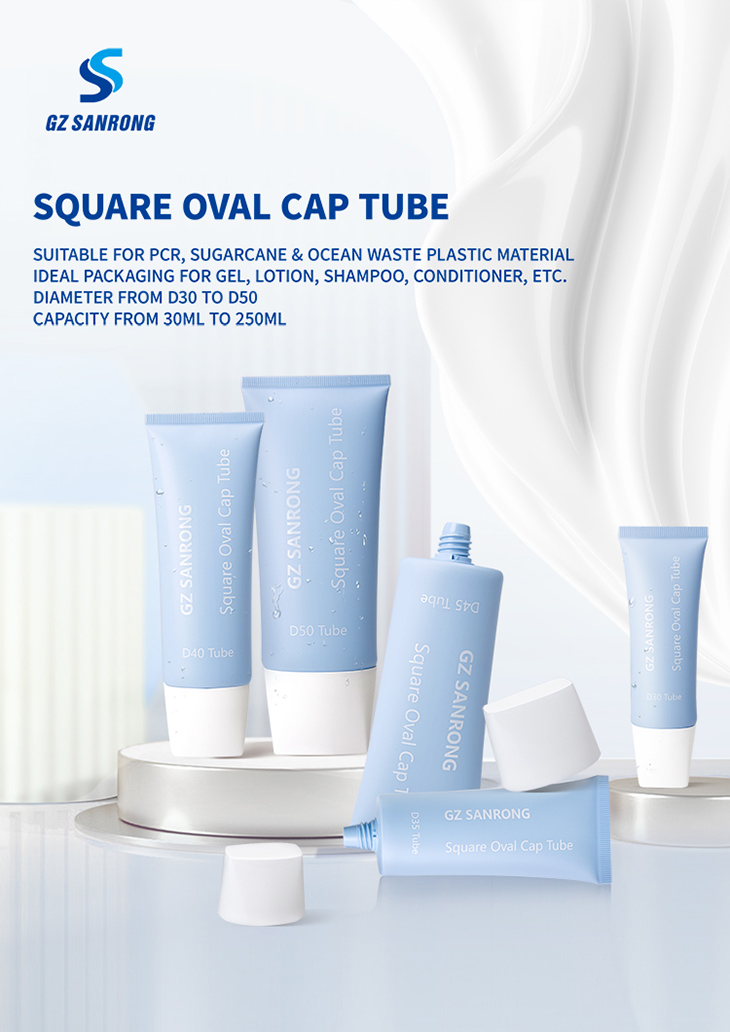
Design for Disassembly isn’t just about taking things apart; it’s a quiet rebellion against the throwaway culture that’s been normalized for decades. When a product is conceived with its end in mind, every snap, screw, and seam becomes intentional. Mono-material construction takes this further by stripping away the complexity of mixed materials that often doom products to landfills. Instead of wrestling with inseparable layers of plastic, metal, and adhesive, a chair or phone case made from a single polymer can be ground down and reborn without the energy-intensive separation processes that recycling facilities dread.
The real magic happens in the subtle details: snap-fits that hold firm during use but release with a deliberate twist, or living hinges that flex for years without fatiguing. There’s a certain elegance in knowing that the entire object—from its structural core to its surface finish—shares the same chemical backbone. It challenges designers to push the limits of one material, using texture, geometry, and thoughtful assembly to deliver function that usually relies on hybrids. Suddenly, a mono-material sneaker isn’t a compromise; it’s a testament to ingenuity, where the sole, upper, and laces can all flow back into the same material stream when their miles are done.
This approach also rewires our relationship with the things we own. Knowing a product is designed to come apart easily and be recycled completely shifts it from a disposable commodity to a temporary custodian of resources. It invites repair, upgrades, and even emotional attachment—because why toss something that can be unclipped, refreshed, and reassembled in minutes? Mono-material magic isn’t just about less waste; it’s about more respect for the materials that shape our daily lives, and a quiet acknowledgment that the best design disappears into its own circular life cycle.
Smart Packaging That Communicates Freshness
Imagine opening your fridge and instantly knowing exactly which foods are still safe to eat without relying on vague expiration dates. Smart packaging is making this possible by actively monitoring and reporting on the condition of the contents inside. Unlike static labels, these advanced materials react to changes in temperature, pH, or gas levels caused by spoilage, providing a real-time and highly accurate snapshot of freshness.
What sets this technology apart is its ability to speak directly to consumers at a glance. Color-changing labels and embedded sensors eliminate the guesswork, turning packaging into an intuitive communication tool. A simple shift in hue or a visible indicator can signal that a product is past its prime, empowering people to make better decisions and dramatically reducing food waste.
The evolution of freshness indicators goes beyond convenience—it reflects a fundamental shift in how we interact with food. From farm to table, these innovations ensure quality and safety are never compromised. As the technology becomes more accessible, we’re moving toward a future where blind trust in printed dates is replaced by packaging that actively participates in safeguarding what we eat.
Lightweighting Tactics That Trim Carbon Footprints
Shaving mass off a vehicle isn't just about chasing quicker lap times or snappier handling—it directly dials down emissions. By swapping in high-strength steels, aluminum alloys, or even magnesium and carbon-fiber composites, engineers can cut a car's weight by hundreds of pounds. Less bulk demands less energy to move, so whether it's a gas engine guzzling fuel or an EV stretching its range, every ounce shed eases the carbon toll across the entire lifespan of the machine.
Clever design tricks often do the heavy lifting before a single material is chosen. Topology optimization software chisels away unneeded mass from brackets and suspension arms, leaving organic-looking skeletons that are both strong and featherlight. Hollowing out shafts, thin-wall casting techniques, and integrating multiple functions into fewer parts further trim heft. Beyond the factory floor, additive manufacturing enables on-demand production of intricate lightweight structures with minimal waste, flipping the script on traditional supply chains and their associated freight emissions.
Refill and Reuse Models Gaining Ground
The shift toward refill and reuse systems is no longer a fringe concept—it's quietly reshaping how everyday products reach consumers. From shampoo bottles designed to be topped up at in-store stations to coffee chains rewarding customers who bring their own cups, these models are moving from pilot programs to permanent fixtures. What's driving this change isn't just environmental awareness, but a growing frustration with single-use waste that feels increasingly unnecessary. Consumers are beginning to question why a perfectly sturdy container should be tossed after just one use, and businesses are listening, realizing that offering refills can foster loyalty and cut packaging costs in the long run.
Behind the scenes, logistics are being rethought to support a circular loop. Startups and established brands alike are tweaking supply chains to handle the reverse flow of used packaging, making it as seamless as sending a text for a pickup. Some companies are even embedding RFID tags in containers to track cycles and ensure hygiene standards are met without elaborate cleaning rituals for the end user. The idea isn't just about reusing the same jar ten times—it's about designing a system where the container becomes a durable asset rather than trash. When done right, it feels less like a chore and more like a subscription service for the things you already buy.
Obstacles remain, of course. Standardizing containers across brands is a tall order, and not every neighborhood has the infrastructure to support drop-off points or sanitizing hubs. Yet the momentum is undeniable, particularly as city governments step in with incentives and regulations that nudge refill options into the mainstream. What's emerging is a patchwork of creative solutions—milkmen-style delivery that's gone digital, detergent tablets sold in compostable wraps, even edible packaging experiments. The real shift might be psychological: once people get used to the idea that a bottle isn't theirs to keep but to borrow, the throwaway culture that dominated the last century starts to look undeniably outdated.
Closing the Loop with Advanced Recycling Tech
Traditional mechanical methods falter with films, mixed plastics, or food-contaminated containers—quality drops, and much of it is simply not recycled. Advanced recycling works at the molecular level, converting polymers back into monomers or basic hydrocarbons. This output can be purified and reused to produce new plastics indistinguishable from virgin material, creating a tighter loop for items that previously had no recovery route.
One approach, depolymerization, specifically targets condensation polymers like PET. By breaking ester bonds with heat, solvents, or enzymes, it yields high-purity monomers ready for repolymerization. For tougher streams like mixed polyolefins, pyrolysis heats the waste in the absence of oxygen to produce a liquid oil that serves as feedstock for crackers. This oil can then re-enter the production chain, cutting the need for crude oil and avoiding incineration.
The point is not to replace conventional recycling but to handle what it misses. By processing the multilayer pouches, black trays, and contaminated rigids, advanced recycling fills the remaining gaps in the system. It enables brands to include higher shares of recycled content while maintaining product safety and durability, bringing a truly circular plastics economy closer.
FAQ
Companies are now experimenting with mycelium-based foams and algae-derived films that match the strength of conventional plastics. For instance, some startups are growing packaging from mushroom roots, which decompose in home compost within weeks yet withstand shipping stresses remarkably well.
Engineers are turning to origami-inspired folding patterns and honeycomb structures that provide exceptional cushioning with minimal material. A notable example is a wine bottle mailer made entirely from molded pulp that uses 70% less fiber through its geometric ribbing, yet passes rigorous drop tests.
Unlike traditional mechanical recycling, emerging chemical processes break polymers back into their original monomers, enabling infinite recyclability without loss of quality. Pilot plants in Europe now convert mixed plastic films into virgin-grade resin, diverting waste from incineration while cutting fossil fuel demand.
Some forward-thinking companies embed QR codes or NFC tags on packaging that, when scanned, provide the material composition and local recycling instructions. This real-time data helps consumers sort correctly and lets waste facilities adapt their sorting streams, dramatically boosting recovery rates for complex laminates.
Concentrated products like toothpaste tablets that come in refillable glass jars are gaining traction, but even more radical are solid shampoo bars sold in nothing but a paper band – no bottle, no lid, no pump. These shifts require rethinking the product form itself, not just the wrapper.
By using AI to predict demand more accurately and optimize delivery routes, companies reduce the need for over-packaging meant to withstand multiple handling scenarios. One logistics firm reduced its plastic film usage by 15% simply by right-sizing shipments and eliminating redundant secondary wraps, proving that waste reduction isn't always about materials science.
Conclusion
Plastic packaging is undergoing a quiet revolution, moving beyond the old take-make-dispose model. At the heart of this shift is a rethinking of materials themselves—bioplastics derived from corn, sugarcane, or even algae are stepping in where petroleum-based polymers once dominated, designed to break down naturally or integrate into existing recycling streams. But material innovation goes further: designers are adopting mono-material structures that ditch multi-layered laminates, making packages far easier to recycle without sacrificing barrier performance. Combined with lightweighting tricks—like thinning walls while retaining strength through clever ribbing or foaming—brands are slashing raw material use and carbon emissions. Even the way packages communicate is evolving; intelligent inks and embedded sensors now signal freshness in real time, cutting food waste by removing the guesswork from expiration dates.
Out in the market, reuse models are gaining real traction. From detergent bottles that get refilled at in-store stations to sleek, durable containers delivered and collected via subscription, these systems keep plastic in play for dozens of cycles. When items do reach end-of-life, advanced recycling technologies are closing the loop—enzymatic processes and chemical dissolution can break down mixed plastics into virgin-quality feedstock, opening the door to genuine circularity. What ties all these threads together is a practical, results-driven approach: each innovation is not just about being green, but about boosting efficiency, trimming costs, and meeting consumer demand for convenience without compromise. The result is a packaging landscape that feels smarter, leaner, and far less wasteful.
Contact Us
Contact Person: Alex Wu
Email: [email protected]
Tel/WhatsApp: 86-20-37965868
Website: https://www.gzsanrong.com/en.html