

Plastic Corrugated Box Supplier: Durable and Eco-Friendly Packaging Solutions
2026-06-12
When it comes to shipping and storage, choosing the right packaging can mean the difference between damaged goods and satisfied customers. Plastic corrugated boxes have emerged as a game-changer, combining strength with sustainability in ways traditional cardboard simply can’t match. At ShiTeng Packaging, we’ve taken this innovation further—crafting durable, eco-friendly solutions that protect your products while reducing your environmental footprint. Whether you’re in logistics, retail, or manufacturing, discovering how our boxes can streamline your operations might just be the upgrade your business didn’t know it needed.
Why Plastic Corrugated Boxes Outperform Traditional Cardboard
Cardboard might be the old standby, but it starts to break down the moment things get tough. A little humidity, a splash of water, and it's game over—soggy, collapsing walls that put your products at risk. Plastic corrugated boxes laugh at moisture. They're built from high-density polypropylene that shrugs off rain, spills, and even direct washdowns, keeping your goods safe in environments where cardboard simply can't compete.
Then there's the hidden cost of cardboard's fragility. Every bent corner, every shredded flap from repeated handling eats into your bottom line with replacements and damage claims. Plastic corrugated takes the beating—its interlocking twin-wall structure resists impacts and crushing forces without losing shape, making it a reusable workhorse. One plastic tote can outlast dozens of cardboard boxes, slashing packaging waste and procurement headaches over time.
Let's talk about hygiene and cleanliness. Cardboard sheds fibers, collects dust, and absorbs odors—it's a nightmare for industries like food processing or pharmaceuticals. Plastic corrugated boxes are non-porous and easily sanitized, often with just a rinse or steam clean. No residues, no bacterial hideouts. That cleanability, combined with UV resistance and chemical tolerance, makes them the smarter, safer bet for sensitive applications from farm to lab.
Custom Designs That Fit Your Product Like a Glove
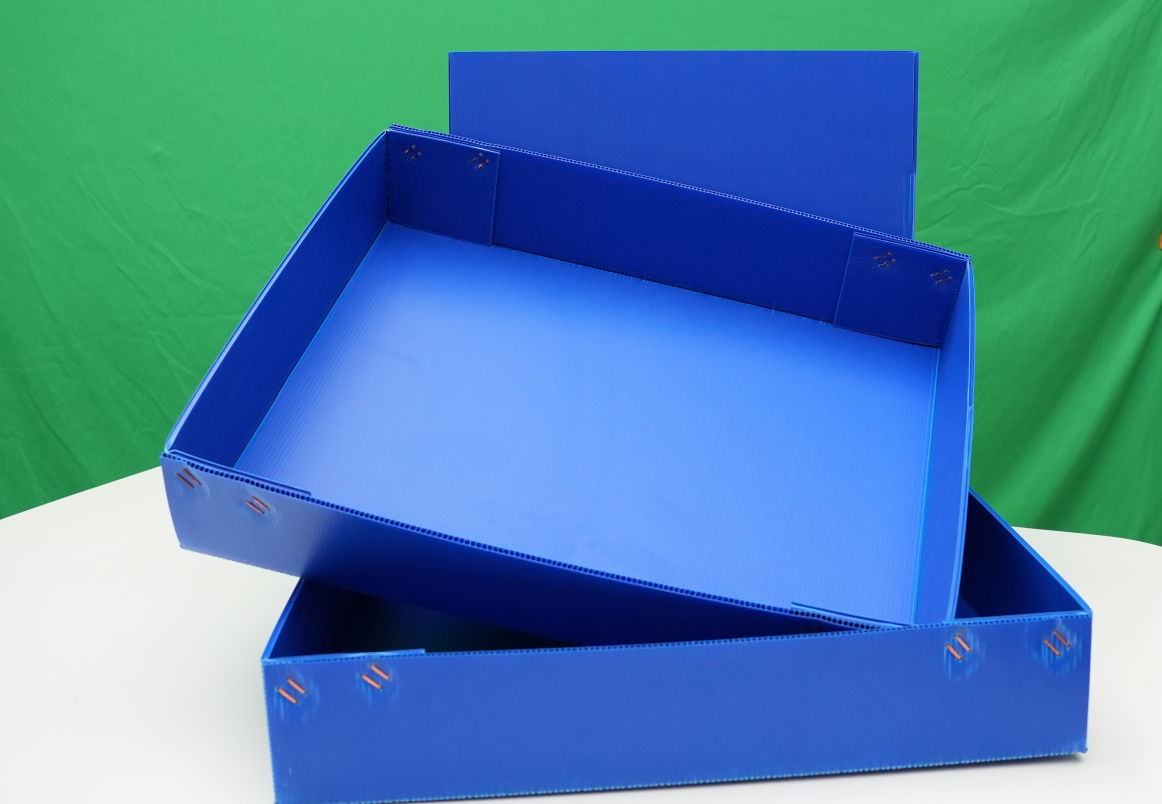
A design should feel like it was always meant to be there, not something slapped on after the fact. When we talk about custom work that fits your product like a glove, we mean understanding every curve, every feature, and every user interaction point. It’s about creating visuals and flows that are so integrated, you’d think they grew alongside the product itself.
That level of fit requires more than just a good eye for aesthetics. It demands a deep dive into what your product actually does, who uses it, and how they experience it. The result is a design that not only looks right but feels right, eliminating friction and making the product more intuitive.
Skip the generic templates. Your product isn’t a one-size-fits-all solution, so why should its design be? A custom approach ensures every element serves a purpose, aligning perfectly with your unique functionality and audience expectations.
Sustainability Without Sacrificing Strength
For decades, the belief persisted that making things stronger meant using more material—thicker steel, denser concrete, heavier frames. Sustainability was often seen as the opposite: less substance, less durability. But a quiet revolution is dismantling that trade-off. Engineers are now turning to nature’s own blueprints, where strength emerges from clever architecture rather than sheer mass. Think of bamboo’s hollow stems resisting typhoon winds, or the lattice of a bird’s bone that supports flight without weight. By mimicking these structures, we’re crafting materials that outperform their bulkier predecessors while using a fraction of the resources.
This shift isn’t just lab theory—it’s already reshaping industries. In construction, ultra-high-performance concrete blends reactive powders with precise particle packing to create sections that are both slimmer and more resilient, slashing cement use by nearly half. In textiles, recycled fibers are spun into fabrics that rival virgin synthetics in tear resistance, thanks to new twisting methods that align molecules at the nanoscale. Even automotive parts under extreme stress, like brake calipers or suspension joints, are being printed from metal powders that reduce waste by 80% while delivering fatigue life far beyond forging. What ties these breakthroughs together is a common thread: rethinking form as well as substance, so that lasting performance springs from the same careful design that conserves our planet’s resources.
Industries That Rely on Our Packaging Solutions
From the delicate handling of fresh produce to the rugged demands of industrial machinery, our packaging is woven into the daily operations of countless sectors. We work behind the scenes to ensure that fragile berries arrive at markets unbruised, heavy automotive parts stay corrosion-free in transit, and sensitive electronics are shielded from static and shock. Each industry brings its own set of challenges, and our approach has always been to listen first, then engineer a solution that fits like a glove.
In food and beverage, where shelf life and safety are non-negotiable, we draw on barrier technologies that lock out moisture and oxygen without adding bulk. For the booming e‑commerce world, our designs cut down on returns by absorbing the bumps and drops that come with last‑mile delivery. Meanwhile, pharmaceutical companies trust our temperature‑controlled wraps and child‑resistant closures to meet strict regulations without sacrificing ease of use for patients.
Beyond these, we support niche manufacturers of cosmetics, hardware, and even automotive components who need packaging that doubles as brand storytelling. By using custom printing, embossing, and sustainable substrates, we help their products stand out on crowded shelves. What ties all these clients together is a shared need for reliability—and that is where we focus our energy, combining smart material choices with rigorous testing to keep goods protected from warehouse to doorstep.
Cost-Effective Shipping With Reusable Materials
Switching to reusable packaging cuts down on single-use waste while making every shipment more economical over time. Instead of purchasing boxes, fillers, and tape for each order, businesses can invest in durable containers that handle hundreds of trips. The upfront cost often pays for itself within a few months, especially when you factor in reduced disposal fees and fewer emergency supply orders.
Customers notice when a brand prioritizes smart, sustainable choices. Reusable mailers and sturdy totes create a subtle but meaningful unboxing experience that stands out without flashy extras. This approach also streamlines returns—the same packaging can be used for exchanges, saving both parties time and money while minimizing friction in the process.
Implementing a reusable system doesn’t require a complete operational overhaul. Start with your most common box size and a simple return incentive, like a discount on the next purchase. Many logistics partners now offer reverse logistics options tailored for reusable packaging, making it easier to close the loop without overwhelming your team or budget.
How We Ensure Every Box Meets Rigorous Standards
Every shipment goes through a multi-point inspection that starts the moment raw materials arrive and doesn't stop until the final tape is sealed. Our team doesn't just check a sample — they examine each unit's structure, seams, and surface under consistent lighting to catch even subtle inconsistencies. This hands-on process is backed by real-time documentation, so nothing slips through because someone was rushing or assuming.
We also subject random picks from every batch to a series of stress simulations: drops from defined heights, vibration tests that mirror actual transit conditions, and prolonged compression to see how the box holds up under stack pressure. Only when a batch passes these without deformation or failure do we sign off. This isn't about ticking boxes on a checklist — it's about building a reputation where a sealed box means peace of mind.
Beyond machinery and protocols, it's the culture on the floor that keeps standards high. Our operators rotate through quality stations so fresh eyes are always catching what routine might miss, and we hold weekly briefings where inspection data is openly discussed — not to assign blame, but to adjust on the fly. That blend of personal accountability and fast feedback loops means a bad run never turns into a bad order.
FAQ
Plastic corrugated boxes are made from polypropylene or similar materials, featuring a fluted core sandwiched between flat sheets. Unlike cardboard, they resist moisture, chemicals, and impact, making them reusable and much longer-lasting in demanding environments.
They're exceptionally tough. The corrugated plastic construction withstands heavy loads, drops, and rough handling without tearing or deforming. Many can support hundreds of pounds and handle repeated use without failing, easily outperforming cardboard or thin plastic totes.
They're built for reuse—often lasting for dozens or even hundreds of trips. They're also fully recyclable at the end of their life. This extended lifeline dramatically reduces waste compared to single-use packaging, and many are made from recycled content.
You'll find them everywhere from automotive and manufacturing to food processing and agriculture. They excel where parts or goods need rugged, washable containers—think tier-one suppliers, distribution centers, or farms moving produce.
Absolutely. Suppliers can die-cut, print logos or handling instructions, add partitions, and tailor dimensions precisely. Anti-static or conductive versions exist for electronics, and colors can be matched for brand consistency or sorting systems.
Yes, they thrive outdoors. Being waterproof and UV-resistant (when treated), they won't swell or degrade in rain, snow, or sun. That makes them ideal for open-bed trucks, garden centers, or exposed warehouses.
They're simple to keep sanitary—just hose them down, use a pressure washer, or wipe with common cleaning agents. They won't absorb odors or stains in most cases, which is why the food and medical sectors rely on them.
Look for a supplier that offers true material quality, not just thin, brittle imitations. A good partner will help with design, provide samples, and have proven consistency in lead times. Certifications for recycled content or food safety can be a bonus if that's relevant.
Conclusion
When it comes to protecting goods in transit or storage, plastic corrugated boxes deliver far more than traditional cardboard. They resist moisture, impact, and frequent handling—things that quickly break down paper-based packaging. Unlike cardboard that weakens after a single use, these boxes maintain structural integrity even after repeated trips. This durability translates directly into fewer replacements and less material waste. And when a box finally reaches the end of its life, the high-quality polypropylene can be fully recycled, closing the loop in a way that truly reflects sustainable thinking.
It’s not just about strength—the fit matters just as much. Our team works with you to create custom sizes, dividers, and die-cut features that cradle your product exactly, eliminating wasted space and reducing the need for extra padding. This bespoke approach means you’re not paying to ship air, and your items arrive damage-free. Industries from automotive to pharmaceuticals rely on these solutions because they need dependable, clean, and reusable packaging that meets tight regulations. Every box is subjected to a series of rigorous checks—from material consistency to dimensional accuracy—so you receive a batch that performs identically, every time. And because they’re designed to be used again and again, the cost-per-trip drops dramatically, making it a smart long-term investment that’s also practical for daily operations.
Contact Us
Contact Person: Mr. Ge Man
Email: [email protected]
Tel/WhatsApp: 8613710506492
Website: https://www.shitengzx.com