

Outdoor Wall Tiles OEM: Creating Bespoke Exterior Designs with Custom Tile Solutions
2026-05-09
Transforming outdoor spaces into stunning visual statements requires more than just imagination—it demands quality materials that stand the test of time. At Beata Ceramics, we specialize in OEM outdoor wall tiles that allow architects and designers to craft bespoke exteriors with unparalleled durability and style. Whether you're envisioning a rustic facade or a contemporary finish, our custom tile solutions turn concepts into reality. Discover how our expertise can elevate your next project.
Tailored Textures: Crafting Unique Facade Aesthetics
The subtle interplay of light and shadow across a building's surface often hinges on the textures we choose—rough concrete, smooth glass, or intricately patterned metal can transform a plain wall into a story. By tailoring these materials to the specific context, architects sculpt spaces that feel both grounded and inventive. It's not about following trends, but about letting the facade reveal the building's character, one tactile layer at a time.
Consider how a rain screen of terracotta louvers might filter afternoon sun into a dance of warm geometry, or how a weathered steel panel develops a patina that anchors the structure to its site. These choices turn ordinary elevations into canvases for environmental response, blending function and poetry. When texture is deliberate, it invites touch long before anyone reaches out a hand.
The rhythm of a facade emerges from material contrasts—juxtaposing the organic grain of timber with the cool precision of perforated aluminum, for instance—creating a dialogue between tradition and modernity. Such compositions don't just decorate; they modulate climate, frame views, and give a building its distinctive voice in the urban chorus.
Material Mastery: Choosing the Right Base for Outdoor Tiles
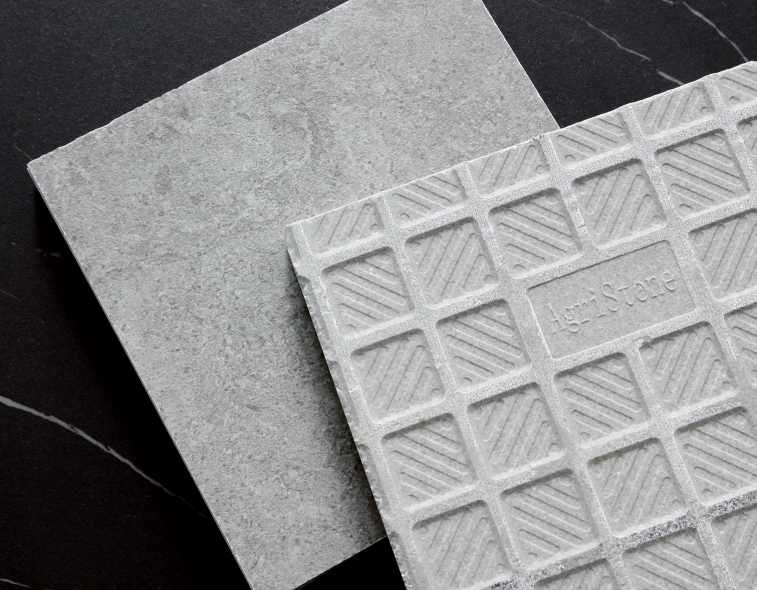
Getting the base right for outdoor tiles isn't just about stability—it's about longevity. One of the most common mistakes is assuming any gravel or sand will do the trick. In reality, the base layer acts as a shock absorber, drainage system, and frost heave defense all at once. For pedestrian areas, a compacted layer of crushed stone or aggregate, typically 4-6 inches deep, gives a firm, permeable foundation. But if you're parking a car or expecting heavy loads, you'll need to step it up with a thicker, reinforced base to prevent shifting and cracking over time.
Drainage is the silent killer of outdoor tile projects, so material choice here matters more than you'd think. A well-graded base—where particles lock together under compaction—creates a natural path for water to escape without pooling beneath the tiles. Open-graded aggregates like clean crushed rock work brilliantly in wet climates because they leave intentional voids for water to flow through. If your native soil retains moisture, a layer of geotextile fabric beneath the base can be a game-changer, keeping the mud from mixing upward while letting water drain downward. Skipping this step practically invites freeze-thaw damage in colder regions.
Then there's the top leveling layer, often a thin bed of coarse sand or stone dust, where the tiles finally sit. Precision here means the difference between a flawless surface and one that wobbles or sinks after a few seasons. The best approach is to screed this layer with a slight slope away from structures, ensuring water never lingers. While tile material itself gets all the aesthetic attention, the unseen layers underneath are what separate a weekend DIY disaster from a patio you'll enjoy for decades without a second thought.
Color Calibration: Achieving Precise Hues for Exterior Walls
Getting the exact shade for an exterior wall is rarely as simple as picking a chip from a fan deck. The way light hits a broad surface, the texture beneath the paint, and even the surrounding landscape can pull a color in unexpected directions. That pale sage you loved in the morning might turn a washed-out khaki by noon, and the crisp white you chose could gleam blindingly against a clear blue sky. To truly understand what you're working with, you have to move beyond the two-inch square and study the color in different natural lights, at different times of day, and against the other fixed elements of your home's exterior.
One of the most overlooked steps is the use of large, site-applied swatches. Instead of defaulting to small painted cards taped to the siding, brush samples directly onto each facade in patches at least three feet wide. Leave a strip of primer between them and observe the effect over a full week, including cloudy and sunny conditions. Pay attention to how the color behaves at the edge of eaves, around trim, and near landscaping—evergreens will reflect differently than brick or stone. This process often reveals that a color needs to be shifted slightly cooler or warmer, or that it requires a different sheen to avoid looking flat under direct sun.
For utmost precision, work with a spectrophotometer or a professional color consultant who can measure the actual light reflectance value (LRV) and suggest minute adjustments using tints or custom mixes. It's not about chasing an abstract ideal—it's about controlling for the environmental factors that alter perception. Even a difference of a few grams of pigment per gallon can change how a hue registers from the street. The goal is a consistent, balanced appearance that holds its character as the day progresses, rather than a color that only works under a narrow set of conditions.
Weather-Ready Designs: Engineering Tiles for Every Climate
When rain pounds relentlessly or frost creeps into every crevice, ordinary surfaces quickly betray their weaknesses. Our approach begins with material science that anticipates these extremes, blending polymers and minerals in ratios calibrated to withstand thermal shock, moisture intrusion, and ultraviolet degradation. Each tile formula is tailored to its destined environment, so a coastal installation resists salt spray while a mountain retreat handles freeze-thaw cycles without cracking. The result isn't just a protective layer—it's a dynamic barrier that moves subtly with temperature shifts, shedding water before it can pool and cause long-term damage.
Installation techniques matter as much as the tiles themselves. We engineer hidden interlock systems that allow for thermal expansion while preventing wind uplift, pairing them with substrate primers that bond aggressively even in high humidity. For arid zones, we incorporate micro-textures that reflect solar heat, keeping surfaces cool underfoot. In rainy climates, sloped profiles and capillary breaks ensure rapid drainage, eliminating the slick films that make walkways hazardous. These aren't one-size-fits-all fixes; they're precise adaptations drawn from field data across dozens of microclimates.
Maintenance simplicity is baked into the design. A tile that survives a decade of storms shouldn't demand constant upkeep, so we prioritize non-porous surfaces that shrug off mold and staining. The color and texture remain stable because pigments are integrated through the entire thickness, not just coated on top. When the weather throws its worst—be it hail, salt fog, or relentless sun—the tiles age gracefully, developing a patina that tells the story of resilience rather than decay. It's engineering that respects both the forces of nature and the people who live among them.
Collaborative Creation: From Concept to Custom Tile Delivery
Every remarkable interior starts with a spark of inspiration, but turning that vision into tangible, custom tiles demands more than just design flair. It requires a genuine partnership where ideas are nurtured through continuous dialogue. We sit down with you early on, not to push a catalog, but to listen—how will the space feel, how does light move through it, what kind of mood are you aiming to evoke? Those conversations reveal the raw material we’ll shape into something distinctly yours.
From those initial sketches, the process becomes a hands-on exchange. You might pick up a glaze sample and remark that it needs more depth, or ask to tone down a pattern to better complement existing furniture. Those small, seemingly incidental comments are where true co-creation lives. Our artisans take that feedback and rework the prototypes, adjusting texture and color until what you hold in your hands matches the picture you’ve held in your mind. It’s not about getting approval on a single design—it’s about refining an evolving piece together.
When the finished tiles finally arrive at your doorstep, they arrive as the physical sum of all those exchanges. There’s a quiet satisfaction in unboxing something that didn’t exist before your collaboration began—knowing that every hue, every irregularity, and every carefully chosen finish reflects a journey you took alongside skilled hands. And when they’re installed, the room doesn’t just show off a custom look; it tells the story of a creation process that was as personal as the result itself.
Sustainable Sourcing: Eco-Friendly Practices in Tile Manufacturing
Many forward-thinking tile manufacturers are turning away from virgin raw materials in favor of recycled alternatives. By incorporating post-consumer glass, porcelain, and even construction debris into their recipes, these companies slash the need for mining while giving new life to waste. It's a quiet revolution that doesn't compromise on durability or aesthetics but significantly reduces the environmental burden.
Water and energy use during production are often overlooked corners of sustainability, yet they carry immense weight. Innovative factories are capturing and reusing process water in closed-loop systems, sometimes cutting freshwater consumption by over 80 percent. At the same time, kilns run on cleaner fuels or recover waste heat, shrinking the carbon footprint of each square foot produced.
Beyond the factory gates, responsible sourcing dives into how raw materials are extracted. Certifications like the Ethical Stone Register or programs ensuring fair labor and community restoration are gaining traction. It means tiles can be traced back to quarries that prioritize land rehabilitation, biodiversity, and the well-being of nearby residents, not just short-term yield.
FAQ
OEM, or Original Equipment Manufacturing, refers to producing tiles according to a client's specifications rather than selling pre-made stock. In outdoor wall tiles, this means a manufacturer works with designers, architects, or property developers to create exclusive tile lines that match a project's aesthetic, size, texture, and performance requirements. It's a collaborative process where the end product is tailored to a specific vision, not just picked from a catalog.
Custom solutions open up possibilities that mass-produced tiles simply can't match. You can dictate the exact color palette, surface finish, and even the tile format to harmonize with the building's architecture. Instead of compromising with 'close enough' options, you get a bespoke facade that feels integrated and intentional. This level of cohesion can transform a plain wall into a standout feature, blending seamlessly with surrounding materials like wood, metal, or stone.
The material choice depends on the desired look and performance. Porcelain is a popular option due to its low porosity and high strength, making it ideal for freeze-thaw cycles. Natural stone like slate, granite, or quartzite can be custom-cut for a more organic feel. Engineered stone and terracotta are also on the table, each offering distinct textures and color ranges. The key is selecting a material that balances visual appeal with the practical demands of the local climate.
It usually starts with a consultation to pin down the design brief—colors, sizes, textures, and performance needs. The manufacturer then develops samples, often adjusting pigments and firing temperatures until the prototype matches the vision. Once approved, production scales up, with strict quality checks along the way. Deliverables are packaged to the project's specifications and shipped. Throughout, there's a feedback loop to ensure the final product aligns perfectly with the initial concept.
While there are always production constraints, today's manufacturing technology allows for remarkable flexibility. Large-format tiles up to 120 cm or more are achievable, as are intricate shapes like chevrons, hexagons, or sculpted profiles. The main limitations come from the physical properties of the material—thin, elongated pieces may require reinforcement or specific installation methods. A good manufacturer will guide you on what's feasible without compromising structural integrity.
Durability is built into the specification from the start. The firing process, body composition, and glaze formulation can all be tweaked to enhance resistance to moisture, UV radiation, and temperature extremes. Many custom outdoor tiles undergo rigorous testing for frost resistance, slip ratings, and colorfastness. The result is a product engineered not just for looks but for years of exposure without fading, cracking, or becoming slippery when wet.
The finish palette is extensive—anything from smooth matte and high-gloss to rugged, sandblasted, or wood-grain effects. Textures can mimic natural stone, concrete, or even woven fabric. Glazes can be formulated to create subtle color variations or metallic sheens. The goal is to produce a tactile and visual depth that changes with light and angle, giving the facade a dynamic quality that stock tiles rarely deliver.
Conclusion
Crafting outdoor wall tiles that truly reflect a project’s identity starts with treating texture as a design language, not an afterthought. Through OEM collaboration, architects and developers can specify everything from coarse, split-faced stone finishes that anchor a facade in rugged authenticity to finely honed surfaces that catch light in subtle rhythms. The choice of base material—porcelain, terracotta, natural stone, or engineered composites—then becomes a deliberate step, balancing the desired look with structural demands. Precise color calibration ensures that even the most nuanced hues remain consistent across batches, avoiding the patchy mismatches that so often undermine exterior cladding. This level of control transforms a simple wall into a curated surface, where varying textures and tones interplay to create depth and movement, resisting the monotony of off-the-shelf products.
Equally critical is engineering tiles that endure. From freeze-thaw cycles in northern latitudes to relentless UV exposure in desert settings, each tile’s body and glazing are formulated to withstand local weather extremes without warping or fading. This weather-ready thinking is woven into the collaborative process, where manufacturers work side-by-side with designers from the initial concept sketch through to final delivery, refining scale, modular patterns, and installation methods along the way. The journey often incorporates sustainable practices too—recycled content in the tile body, water recycling in production, and local sourcing to cut transport emissions. The result is a bespoke exterior solution that doesn’t just dress a building but becomes an integrated part of its environment, marrying durability, aesthetics, and responsibility in every square foot.
Contact Us
Contact Person: Emma
Email: [email protected]
Tel/WhatsApp: 8618064423698
Website: https://www.beataceramics.com/