

OEM Residue-Free Protective Film: A Top Exporter’s Guide to Quality & Durability
2026-05-19
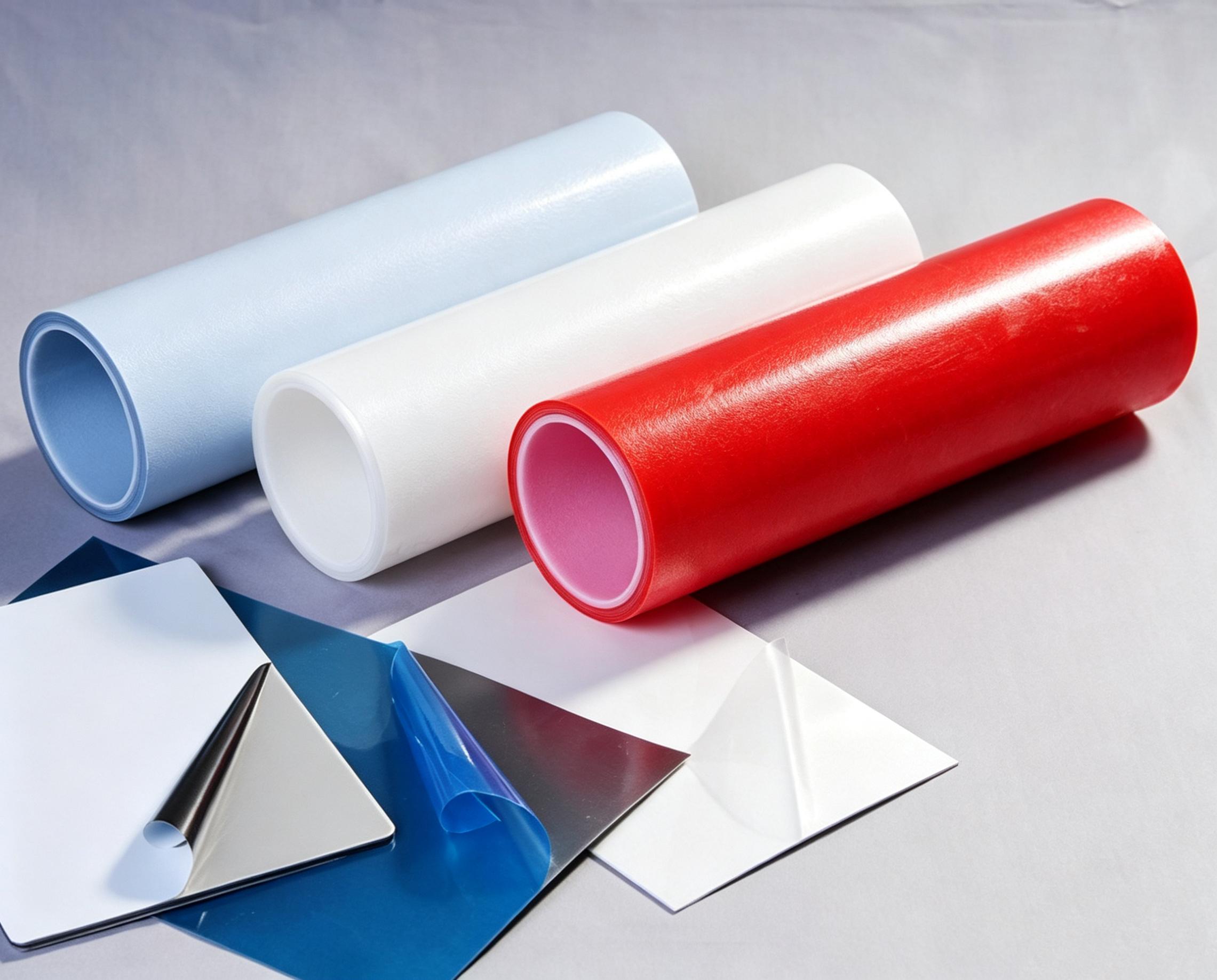
In industries where surface protection can make or break a final product, finding a truly residue-free OEM film is more than a checkbox—it’s a competitive advantage. Shire has built its reputation on exporting films that combine uncompromised adhesion with clean removal, even under tough conditions. But what separates a premium protective film from one that fails when it matters most? This guide dives into the quality benchmarks and durability secrets that top exporters rely on, revealing why the right film choice is often the difference between a flawless finish and an expensive rework.
Unpacking Residue-Free: What Makes Our Film Different
It starts with the surface chemistry. Most protective films rely on a uniform adhesive layer that, over time, can break down and leave behind a sticky mess. We took a different path by engineering a micro-textured adhesive interface that releases cleanly, no matter how long it’s been applied. The texture creates thousands of tiny air channels that prevent suction-like bonding, so when you peel it off, there’s no fighting, no residue, and no need for solvents or scrapers.
The film itself is a co-extruded marvel. Instead of layering materials that can separate under stress, we fuse different polymers at the molecular level during production. This means the outer shield that resists scratches and UV damage is inherently part of the base layer, not just glued on. The result is a single, unified structure that won’t delaminate or leave behind fragments when removed. It’s the kind of quiet durability that you don’t notice until you realize years later that the surface underneath looks exactly as it did on day one.
We also obsessed over the removal experience. By fine-tuning the viscoelastic properties, our film releases with a consistent, low-force peel—no sudden jerks, no tearing, and no temperature-dependent surprises. Whether you’re taking it off a vehicle hood after a scorching summer or peeling back a protective layer from indoor electronics after a cold winter, the film comes away whole and leaves nothing behind but the original finish. It’s a small detail, but it changes everything about how people trust temporary protection.
Material Mastery: Building Durability from the Ground Up
When we talk about constructing something that lasts, the first decision isn’t about design flair or clever engineering tricks—it’s about what you put into the mix. The raw ingredients, from aggregate size to binder quality, set the baseline for every performance metric that follows. Skimp here, and you’ll spend the next decade patching cracks that appear like clockwork.
But material mastery goes beyond picking a bag from the shelf with a higher number. It’s understanding how those components interact under stress, moisture, and time. The real art is in the proportions and the preparation: matching the right stone to the right cement, adjusting the cure time for the climate, and knowing when a small increase in fiber content can eliminate an entire failure mode. That ground-up approach doesn’t just build structures—it builds confidence that stays buried in the foundation.
Precision Coating: Where Quality Control Meets Innovation
Precision coating isn’t just about layering a material onto a surface—it’s a discipline where every micron matters. In industries like medical devices, optics, and microelectronics, the line between success and failure often hinges on coating uniformity. Quality control here isn’t a checkpoint at the end; it’s an embedded mindset that shapes the entire process, from raw material selection to final cure. It’s this relentless scrutiny that pushes engineers to rethink application methods, cure profiles, and environmental controls, turning routine inspection into a catalyst for real innovation.
Real innovation emerges when quality data becomes a design tool. Advanced metrology systems now capture thickness, adhesion, and surface morphology in real time, feeding insights back into the coating workflow. Instead of simply flagging defects, teams use this data to tweak formulations on the fly or adjust spray patterns automatically. This feedback loop transforms static specifications into living knowledge, allowing manufacturers to achieve levels of repeatability that were once impossible. The result is a process that learns from every part, ensuring that consistency isn’t just measured—it’s engineered into every layer.
Looking ahead, the fusion of quality control and innovation will only deepen. Self-validating coating systems that predict failures before they happen are already emerging, while new chemistries demand inspection techniques that operate at the nanoscale. The real breakthrough lies not in chasing zero defects as a number, but in building a culture where defect prevention drives technological leaps. In this landscape, the coating line becomes a laboratory, and every quality check sparks the next improvement, proving that the most precise coatings are born where control and creativity meet.
Testing That Goes the Extra Mile for Real-World Toughness
Our testing philosophy is simple: if a product can't survive the unexpected, it doesn't deserve to reach your hands. That's why we put every item through a series of real-world simulations that push far beyond standard lab protocols.
From sudden temperature swings to punishing vibration tests, each prototype earns its stripes in conditions that mimic years of abuse in mere days. We don't just check boxes—we actively seek out failure points early so you never have to face them.
The result is gear that holds up when it matters most, backed by a validation process that's as relentless as the environments you rely on it to conquer.
One Film Doesn’t Fit All: Industry-Specific Customization
Generic protective films often miss the mark when faced with the demands of specialized sectors. A film that works perfectly on a smooth consumer electronic display may fail catastrophically on the textured surface of industrial machinery, where dust, oil, and constant abrasion are daily realities. Recognizing this, we moved beyond one-size-fits-all solutions, developing targeted formulations that address the unique pain points of fields like automotive manufacturing, aerospace, medical devices, and heavy equipment. This isn't about minor tweaks—it's about engineering from the substrate up, selecting adhesives, backings, and release liners that align precisely with how each industry uses, handles, and ultimately removes surface protection.
In automotive paint shops, for instance, films must withstand high-temperature baking cycles without leaving adhesive residue, while also resisting solvents and providing clean, ghost-free removal after weeks of exposure. For medical device fabricators, the priorities shift to biocompatibility, sterilization compatibility (such as gamma or EtO), and the ability to protect delicate optical surfaces during CNC machining without micro-scratches. Aerospace applications demand films that can endure aggressive chemical milling processes and extreme temperature swings. By immersing ourselves in these environments—often working side by side with line engineers—we map out the full journey of a component and tailor the film's properties accordingly. The result is a protective layer that feels almost invisible in its operation, yet critical in preventing costly rework or scrap.
This level of customization also streamlines the user experience. A film designed exclusively for architectural glass handling, for example, might incorporate UV-stable adhesives and easy-apply features that reduce installation time on large panes without trapped air bubbles. For electronics manufacturers, the focus might be on ultra-low outgassing and anti-static properties to safeguard sensitive circuits during assembly. The goal is always the same: hand over a film that feels purpose-built, not adapted. When the protection is exactly matched to the task, production lines move faster, reject rates drop, and the final product reaches the customer in pristine condition—a direct reflection of engineering foresight rather than afterthought.
Crossing Borders with Confidence: Export Logistics and Standards
Expanding into international markets requires more than ambition—it demands mastery of export logistics and a deep understanding of ever-shifting standards. The supply chain becomes a labyrinth of customs protocols, varied packaging regulations, and documentation requirements that differ wildly from one destination to another. Navigating this complexity without a bulletproof logistics framework means risking delays, fines, or even rejected shipments. Smart exporters build resilience by partnering with freight forwarders who specialize in their target regions, investing in real-time tracking systems, and cultivating a network of local compliance experts who can interpret nuanced import rules before they become problems.
Standards, too, are a moving target. Whether it’s product safety certifications, labeling languages, or environmental regulations, what passes in one country may be barred in the next. Rather than treating compliance as a last-minute checklist, forward-thinking companies embed it into product design and packaging from the start. They audit suppliers against international benchmarks, maintain living libraries of trade agreements, and pre-test products through accredited labs overseas. This proactive stance not only speeds up customs clearance but also builds trust with distributors and end consumers who value consistency and dependability.
Ultimately, crossing borders with confidence isn’t about eliminating risk—it’s about managing it with precision and creativity. The most successful exporters view logistics and standards not as barriers but as competitive levers. They adapt their shipment strategies to geopolitical shifts, secure cargo insurance that covers unconventional disruptions, and use data analytics to predict bottlenecks before they happen. By weaving flexibility into their export operations and staying relentlessly curious about local market idiosyncrasies, they turn the daunting task of global trade into a repeatable, scalable advantage.
FAQ
True reliability comes from a combination of high-grade adhesive technology and precision manufacturing. The adhesive must bond securely during use but release cleanly without leaving any trace, even after prolonged exposure to heat or UV. Top exporters achieve this through rigorous batch testing and by sourcing raw materials from established chemical suppliers.
Always request accelerated aging test reports that simulate extended outdoor exposure. Look for data on yellowing resistance, tensile strength retention, and consistent peel adhesion over time. A reputable exporter will also provide real-world case studies or samples for in-house testing under your specific conditions.
Residue can etch into sensitive surfaces like automotive paint or polished metals, causing permanent damage that outweighs the film's cost. For luxury goods or electronics, a clean removal is non-negotiable—it preserves aesthetics and avoids costly refinishing. The best films maintain this trait across a wide temperature range without leaving ghosting or staining.
The liner is far more than a carrier—it dictates how smoothly the film unwinds and applies. A premium, dimensionally stable liner prevents tunneling and edge lifting during die-cutting. It also protects the adhesive from contamination until application. Exporters focused on quality will often use a denser, moisture-resistant liner to uphold integrity during shipping and storage.
They implement statistical process control at every stage, from coating to slitting, and maintain tight viscosity and coat weight tolerances. Incoming raw materials are quarantined and tested against a master specification. Some even assign a unique identifier to each roll, enabling full traceability back to the original adhesive batch and production shift.
Customization typically involves adjusting the adhesion level, color tinting, or adding printability while keeping the core adhesive chemistry intact. The key is to not alter the crosslinking density that enables clean peel. A knowledgeable exporter will offer tailored solutions—like a lower initial tack for easy repositioning—only after validating that the release properties stay unaffected.
Conclusion
When it comes to OEM residue-free protective films, the real test lies in the details that often go unnoticed until they fail. Our approach starts with the core material—a carefully engineered blend of polymers that resists tearing while maintaining just the right level of adhesion. Unlike standard films that leave sticky traces or degrade under UV exposure, ours uses a cross-linked acrylic adhesive that releases cleanly after months of application, even in harsh weather. The secret isn’t just in the formula; it’s in the precision coating process. By controlling coating weight to the micron and curing at exact temperatures, we eliminate the inconsistencies that cause bubbling or premature peeling. This foundation of material and process mastery is what transforms a basic layer of plastic into a reliable shield.
But real-world protection demands more than controlled lab conditions. We push every batch through a battery of tests that simulate road debris, salt spray, and intense sunlight, ensuring the film holds up in environments from desert job sites to marine transport. Customization is woven into the fabric of what we produce—whether it’s a low-tack variant for delicate electronics or a high-impact grade for construction machinery, the film adapts without compromising clean removal. As a top exporter, we also navigate the complexities of international logistics and standards, from ISPM 15 compliance for wooden packaging to climate-controlled containers that maintain adhesive integrity. Every shipment is a promise of quality that arrives intact, so your products are shielded from the factory floor to the final destination—without a trace left behind.
Contact Us
Contact Person: Jack Xu
Email: [email protected]
Tel/WhatsApp: 8615257328825
Website: https://www.temporaryprotectivefilm.com/