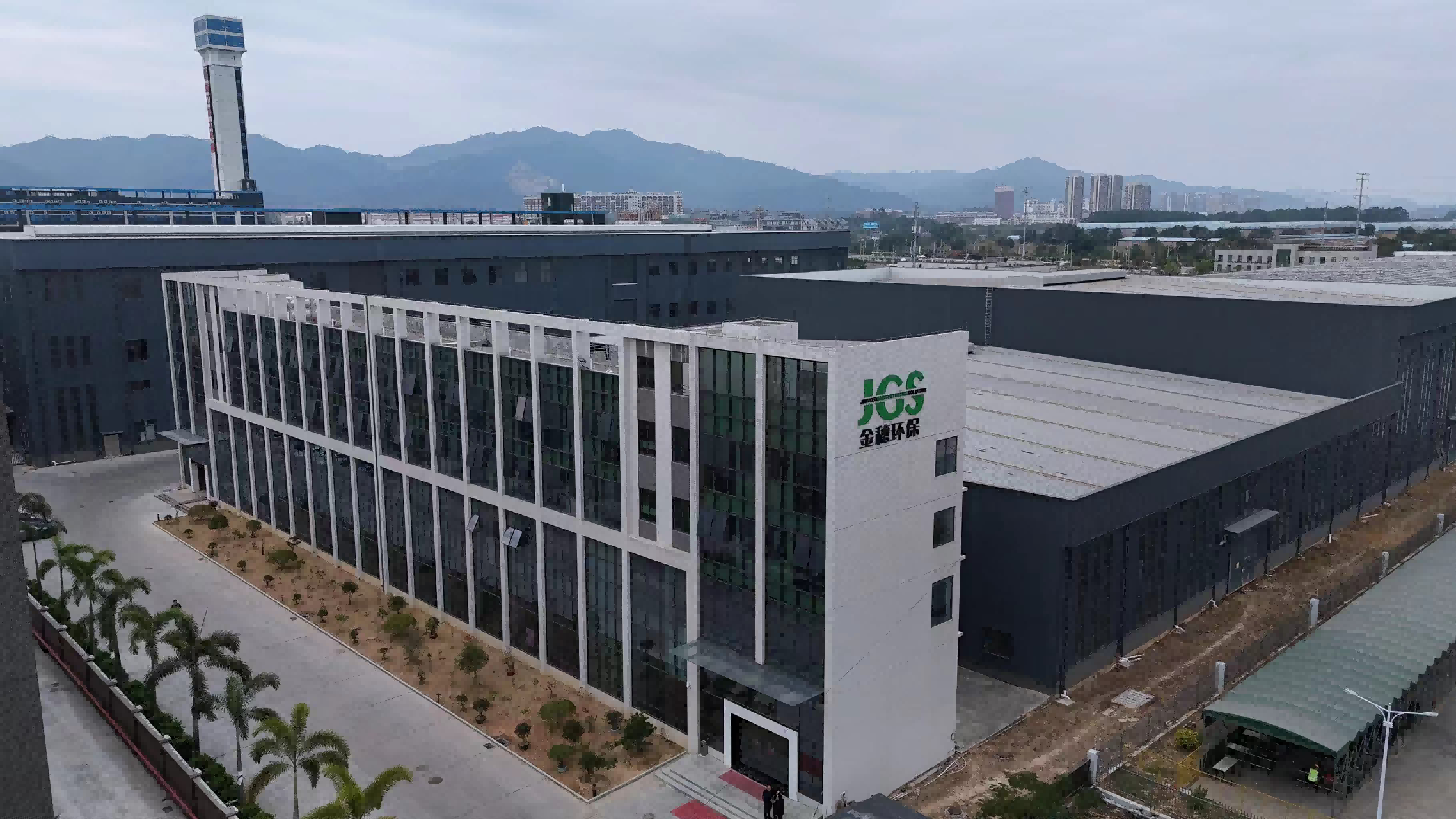

ODM HDPE Geomembrane Liner: The Ultimate Solution for Modern Containment Needs
2026-08-06
When it comes to reliable containment in demanding environments, not all liners are created equal. ODM HDPE geomembrane liners have rapidly become the cornerstone of modern engineering, offering unmatched durability and chemical resistance for projects ranging from landfills to mining and water storage. As the demand for high-performance, custom-made solutions grows, JInseed Geosynthetics Solution steps up with advanced manufacturing and quality control that redefine industry standards. But what exactly makes these liners the ultimate choice for today's toughest containment challenges? Let's explore the science and the strategic advantages behind this indispensable material.
Redefining Containment with Advanced HDPE Technology
The shift toward high-density polyethylene has quietly transformed how industries approach fluid and material storage. Unlike traditional steel or concrete, advanced HDPE formulations offer a molecular structure that inherently resists cracking, corrosion, and leaching. This means containment systems can now be designed with thinner walls yet greater longevity, reducing both material use and long-term maintenance. Engineers are leveraging these properties to create double-wall tanks and seamless liners that were once impractical with rigid materials.
What sets modern HDPE apart is its ability to be tailored at the polymerization stage. By adjusting density, branching, and co-monomer content, manufacturers tune flexibility, impact strength, and chemical resistance to specific applications—from aggressive acids to high-purity water. Field-welding techniques have also matured, allowing on-site assembly of large containment structures without compromising integrity. The result is a system that adapts to irregular footprints and seismic loads more gracefully than bolted or welded metal alternatives.
Beyond the lab, these advances are quietly reshaping environmental compliance. Fusion-welded seams eliminate gaskets and leak paths, while the material's UV-stabilized variants maintain performance under decades of sun exposure. With less need for secondary containment coatings or cathodic protection, lifecycle costs drop noticeably. As regulations tighten around soil and groundwater protection, HDPE technology is no longer just an option—it's becoming the backbone of proactive containment strategies across chemical processing, water treatment, and fuel storage sectors.
Why ODM Geomembranes Stand Out in Critical Applications
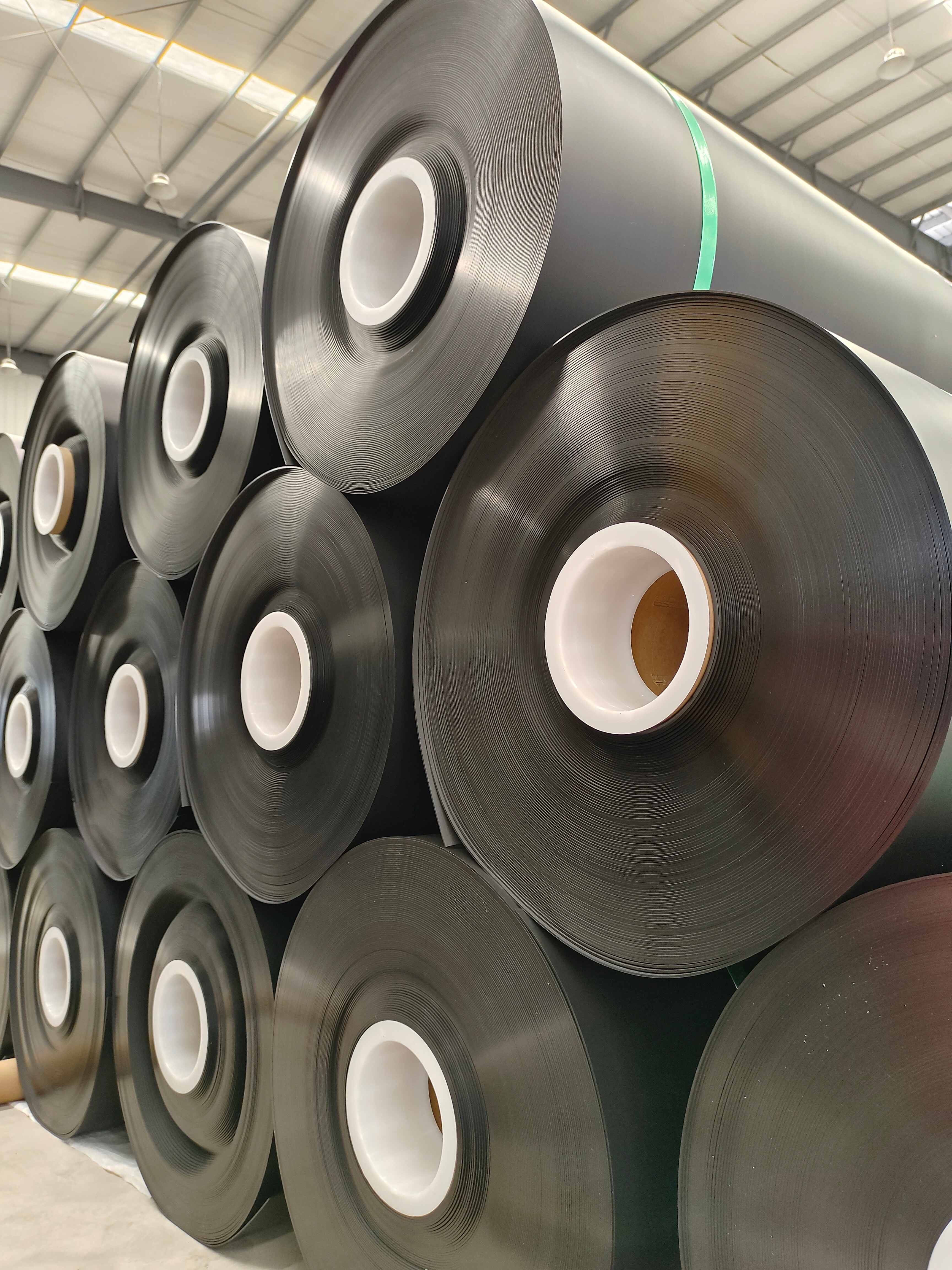
ODM geomembranes have earned a reputation for reliability in the most demanding environments, where failure is not an option. Unlike generic alternatives, these liners are engineered with a unique combination of high-density polyethylene resins and advanced stabilizers, offering exceptional resistance to chemicals, ultraviolet radiation, and thermal stress. This robust formulation ensures long-term integrity even when exposed to aggressive leachates, acidic mine tailings, or fluctuating temperatures. Field studies consistently demonstrate that ODM geomembranes maintain their physical properties decades after installation, outperforming standard materials in tensile strength and elongation retention.
What truly sets ODM apart is its rigorous manufacturing process, which prioritizes uniformity and defect elimination. Each roll is produced under tight quality controls, with real-time monitoring of thickness, smoothness, and carbon black dispersion. This attention to detail minimizes weak spots that could compromise barrier performance over time. Moreover, the geomembranes are designed for ease of installation, featuring a high friction angle surface texture that simplifies seaming and enhances slope stability. Contractors appreciate how the material handles in the field—it lays flat without excessive waves, reducing the risk of wrinkles and stress cracks during deployment.
In critical applications like landfill containment, mining heap leach pads, and water reservoirs, the stakes are high, and the total cost of ownership extends far beyond the initial purchase. ODM geomembranes provide peace of mind through proven durability and low maintenance requirements. Their resistance to environmental stress cracking and oxidative degradation translates to fewer repairs and longer service life, ultimately safeguarding the environment and the project investment. When an impermeable barrier is the last line of defense, choosing a geomembrane with a track record of performance in the harshest conditions makes all the difference.
Unmatched Durability for the Toughest Environmental Conditions
Built to endure where others falter, our products undergo rigorous stress-testing against extreme temperatures, corrosive salt spray, and relentless vibration. The ruggedized enclosures and sealed connectors create an impermeable barrier, ensuring uninterrupted operation in deserts, arctic tundra, or offshore platforms. Every component is selected for its proven ability to resist degradation, delivering reliability that field engineers have come to trust without second thought.
We've moved beyond industry-standard ratings by subjecting each unit to accelerated life-cycle simulations that replicate decades of wear in mere weeks. Thick-gauge stainless steel hardware, military-grade conformal coatings, and redundant environmental seals work in concert to shrug off moisture, dust, and chemical exposure. It’s this uncompromising approach that keeps critical systems online—even when the weather forecast reads like a warning.
In sectors where downtime is measured in lost revenue per minute, our solutions have become the silent backbone of remote installations worldwide. From Alaskan oil fields to Saharan solar farms, customers report years of trouble-free service without the need for unscheduled maintenance. That’s not a headline we chase—it’s simply what happens when you design with the harshest realities already in mind.
Seamless Installation and Long-Term Performance
Installation feels almost intuitive—the components snap into place without specialized tools or confusing diagrams. Everything you need arrives in a single, clearly labeled package, and the initial setup takes minutes rather than hours.
What really sets it apart is how it holds up over time. The materials resist corrosion and wear, even in demanding environments, and the internal mechanisms are sealed to keep out dust and moisture. You won’t find yourself constantly adjusting or recalibrating; it just keeps running as intended, year after year.
Regular maintenance is minimal—a quick wipe-down and an occasional check are all that’s needed to preserve peak efficiency. This isn’t a product that demands constant attention, which means you can focus on what matters instead of worrying about upkeep.
Sustainable Solutions for Modern Engineering Challenges
Designing for longevity isn't just about choosing durable materials; it's a mindset that shapes every stage of an engineering project. Teams are now weaving recyclability and modular design into their blueprints from day one, treating components as assets that can be repaired, upgraded, or repurposed rather than replaced. This approach slashes resource consumption and waste while often unlocking unexpected cost savings over a system's full life cycle.
Energy systems tell a compelling story of this shift in practice. Consider the quiet revolution in district heating: engineers are tapping into waste heat from data centers and industrial processes, funneling it through insulated pipe networks to warm thousands of homes. The technology isn't futuristic—it's a clever reimagining of thermal dynamics that was always there, waiting to be harnessed. Meanwhile, micro-hydropower installations are turning irrigation canals and water treatment flows into decentralized power sources, dodging the ecosystem disruption that comes with large dams.
What's often overlooked is how these solutions reshape our relationship with infrastructure. When a bridge incorporates self-healing concrete embedded with bacteria that activate upon contact with water, maintenance becomes a biological partnership instead of a reactive scramble. Similarly, green roofs layered with native vegetation don't just manage stormwater—they create pockets of biodiversity that stitch urban landscapes back into natural cycles. These aren't bolt-on additions to traditional practice; they represent a fundamental rewiring of how engineers define the problem itself, moving from isolated fixes to interventions that strengthen whole systems.
Real-World Successes: From Mining to Waste Management
In the rugged terrains of Western Australia, a mining operation faced a persistent challenge: conveyor belt slippage during the wet season. The downtime was costing millions, and traditional rubber lagging solutions kept failing under the relentless mud. Instead of sticking to the usual playbook, the engineering team opted for a ceramic pulley lagging system. The custom-engineered tiles, bonded directly to the drive pulleys, delivered friction coefficients that didn’t plummet when wet. Within weeks, they saw a dramatic drop in unscheduled maintenance and a 22% boost in belt availability. It wasn’t just about better grip—it was a strategic shift that reshaped their entire approach to material handling reliability.
Far from the mines, a municipal waste-to-energy plant in Scandinavia was wrestling with a different beast: abrasive ash from incinerated biomass. The ash was chewing through their standard steel-reinforced belts in under four months, creating a bottleneck that disrupted the entire thermal conversion cycle. A collaborative effort between the facility engineers and a specialist belt manufacturer led to the development of a hybrid carcass design, combining aramid tensile members with a heavy-duty nitrile rubber compound. The result was a belt that laughed at the scorching temperatures and razor-sharp particulates, tripling its service life and slashing replacement intervals. The plant manager later remarked that it was “the quietest return on investment we’ve ever made.”
These stories aren’t anomalies; they’re snapshots of a broader shift toward application-specific engineering. Whether it’s a copper mine in Chile deploying smart monitoring systems to predict belt failures before they halt production, or a recycling facility in Germany integrating modular transfer chutes that cut dust emissions by 60%, the common thread is a refusal to accept off-the-shelf fixes. By treating each bulk handling problem as a unique puzzle, these operators turned potential disasters into benchmarks of efficiency—proving that the right investment in the invisible infrastructure of industry pays dividends that far outstrip the purchase price.
FAQ
An ODM HDPE geomembrane liner is a high-density polyethylene sheet manufactured to custom specifications, designed to contain liquids, gases, or solids in various projects. It's called the ultimate solution because it combines exceptional chemical resistance, durability, and flexibility, making it suitable for everything from landfills to aquaculture, while ODM customization ensures it fits unique project demands precisely.
HDPE stands out for its superior chemical resistance and long-term durability. Unlike PVC, it doesn't leach plasticizers over time, and compared to EPDM, it offers much higher tensile strength and puncture resistance. For harsh environmental conditions or projects requiring decades of service, HDPE is the go-to choice.
Modern infrastructure often deals with aggressive leachates, extreme temperatures, and strict environmental regulations. ODM HDPE liners tackle these with advanced polymer formulations that resist cracking, UV degradation, and chemical attack, while custom fabrication allows for complex shapes and seamless integration, something traditional clay or concrete barriers struggle with.
Sure. First, the subgrade is prepared and compacted. Then, panels are unrolled and positioned according to the layout plan. The pieces are thermally welded together using hot wedge or extrusion welding, with every seam tested for integrity. ODM panels arrive pre-cut to reduce field welding, speeding up the process and ensuring quality control. Finally, the liner is anchored and covered with protective soil or cover material.
Generally, HDPE liners need very little maintenance. Periodic inspections are recommended to check for physical damage, such as tears from debris or animal activity, especially if exposed. When covered, they're largely protected. Any minor punctures can be patched using extrusion welding. Proper installation with protective layers minimizes long-term upkeep.
We're seeing massive adoption in mining (heap leach pads), solid waste containment (landfill caps and liners), water and wastewater treatment, and aquaculture. Additionally, emerging uses like biogas digesters and industrial tank linings are growing because the custom ODM approach allows engineers to design liners that meet exact chemical and thermal requirements.
ODM means the liner is fabricated to your exact dimensions, thickness, and physical properties. This reduces on-site welding and material waste, saving labor and installation time. You also get the right additive package—like UV stabilizers for exposed applications or specific carbon black content—which optimizes performance without paying for unnecessary features, making the entire system more cost-effective over its life cycle.
They prevent hazardous substances from leaking into soil and groundwater, which is a direct environmental protection measure. HDPE is also recyclable at the end of its life, and its longevity means fewer replacements and less material consumption over time. By ensuring secure containment, these liners help projects meet stringent environmental regulations and reduce ecological risks.
Conclusion
ODM HDPE geomembrane liners have reshaped the landscape of containment engineering by merging advanced polymer science with real-world demands. Their high-density polyethylene formulation delivers exceptional chemical resistance and tensile strength, making them indispensable in settings where conventional liners simply fail. Unlike traditional materials, these geomembranes maintain consistent performance across extreme temperature swings, abrasive media, and aggressive leachates. The engineered surface texture enhances slope stability while the product’s inherent flexibility allows for precise conformance to subgrade contours, eliminating stress points that often lead to premature failure. Installers appreciate the large-format panels that minimize on-site welding, lowering installation time and reducing potential leak paths. Over decades of service life, ODM liners exhibit negligible degradation, resisting UV exposure, thermal cycling, and microbial attack far better than alternatives. This fusion of material innovation and practical design ensures reliable containment for projects where failure is not an option.
Beyond brute durability, ODM geomembranes address the growing demand for sustainable infrastructure. Their long service life directly reduces replacement frequency and associated waste, aligning with circular economy principles. In mining heap leach pads, these liners reliably isolate toxic lixiviants from groundwater, while in sanitary landfills they form impermeable barriers that prevent soil and water contamination – often exceeding regulatory requirements for leakage detection. Recent installations in challenging environments like high-salinity evaporation ponds and large-scale agricultural reservoirs have demonstrated consistent performance, with field data showing hydraulic conductivities well below the threshold for containment. The combination of fast-track installation, minimal maintenance, and certified material traceability brings lifecycle cost advantages that resonate with owners and designers alike. As containment challenges become more complex, ODM HDPE geomembrane liners continue to prove themselves as the definitive solution, merging environmental stewardship with uncompromising engineering.
Contact Us
Contact Person: Jerry Qiu
Email: [email protected]
Tel/WhatsApp: +65 84265294
Website: https://www.jinseed-geo.com