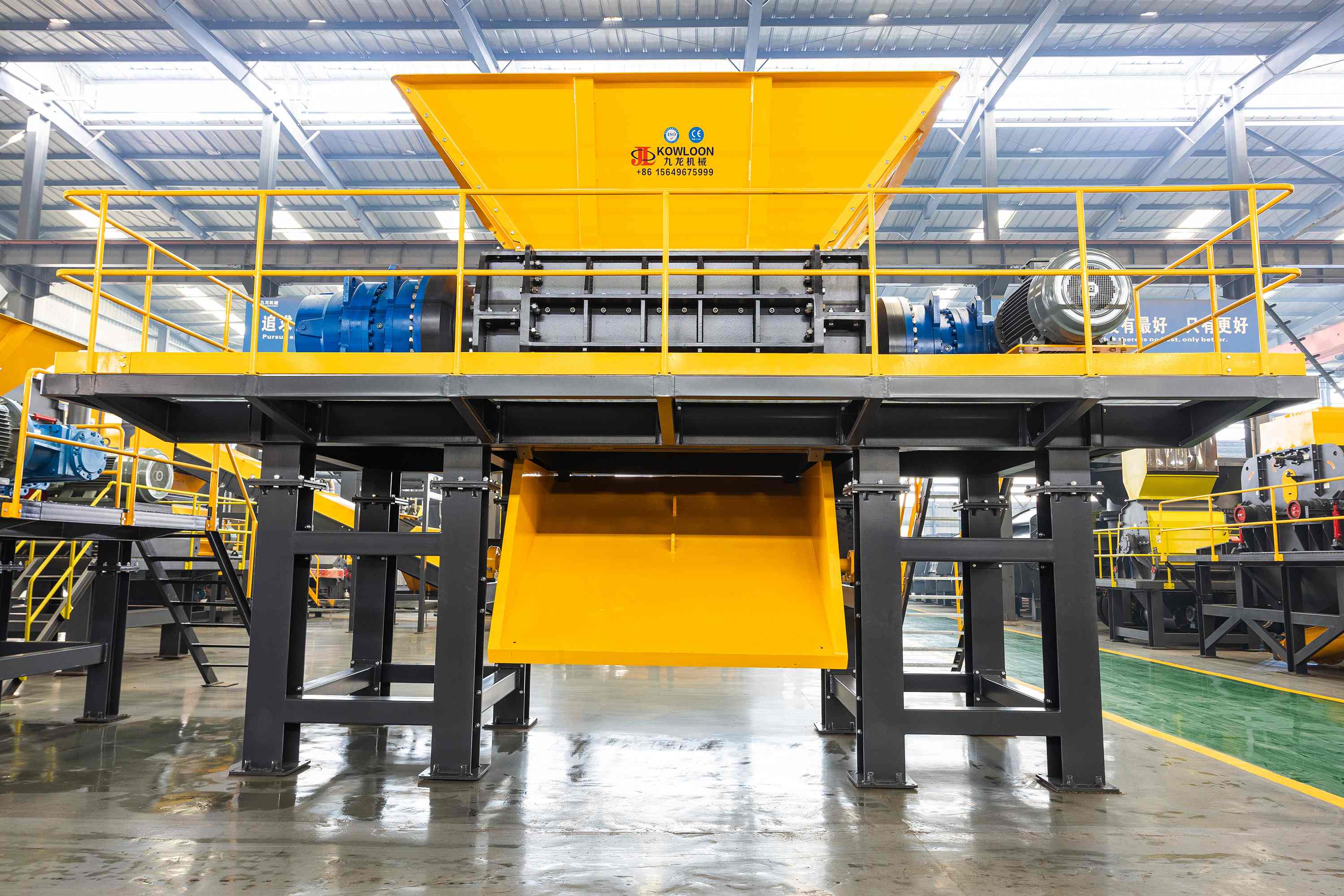

New Type Tire Shredder: Efficient Recycling Solutions for Modern Waste Management
2026-03-25
In the rapidly evolving landscape of waste management, the challenge of recycling tires has become more pressing than ever. Traditional methods often fall short in efficiency and environmental impact, prompting innovators like Kowloon Machinery to develop groundbreaking solutions. Enter the New Type Tire Shredder—a game-changer that not only streamlines recycling processes but also redefines what's possible in modern sustainability efforts. This blog explores how this advanced technology tackles tire waste with precision, reduces landfill burdens, and paves the way for a greener future. Stick around to discover the key features and real-world applications that make it a standout in the industry, and why it's worth the attention of businesses and environmental advocates alike.
Revolutionary Design: Enhancing Tire Shredding Efficiency for Sustainable Waste Solutions
Tire shredders have long been a cornerstone of waste management, but traditional models often fall short in terms of energy consumption and operational output. This revolutionary design addresses these shortcomings by incorporating advanced, high-torque motors and precision-engineered blades that work in tandem to reduce processing time by up to 40%. Unlike older systems that rely on brute force, this innovative approach uses a smart feed mechanism to optimize material flow, ensuring consistent shredding without jamming or downtime. The result is a significant leap in efficiency, allowing facilities to handle larger volumes of discarded tires while minimizing wear and tear on equipment.
Beyond mere performance improvements, this design directly supports sustainable waste solutions by enhancing the quality of shredded material. With finer, more uniform output, the recycled tire chips are better suited for applications like rubberized asphalt, playground surfaces, and eco-friendly construction materials. This not only diverts tires from landfills but also creates valuable secondary products, closing the loop in the circular economy. By streamlining the shredding process, the technology reduces overall carbon footprint and operational costs, making it a practical choice for industries committed to environmental stewardship.
Another standout feature is its modular adaptability, which allows for easy integration into existing waste management setups without extensive retrofitting. Whether in urban recycling centers or remote industrial sites, this design offers scalable solutions that can be tailored to specific needs, from small-batch processing to high-capacity operations. Its durability and low-maintenance requirements further contribute to long-term sustainability, ensuring that tire shredding remains a viable and efficient component of waste management strategies for years to come.
Advanced Technologies Powering the New Type Tire Shredder for Eco-Friendly Recycling
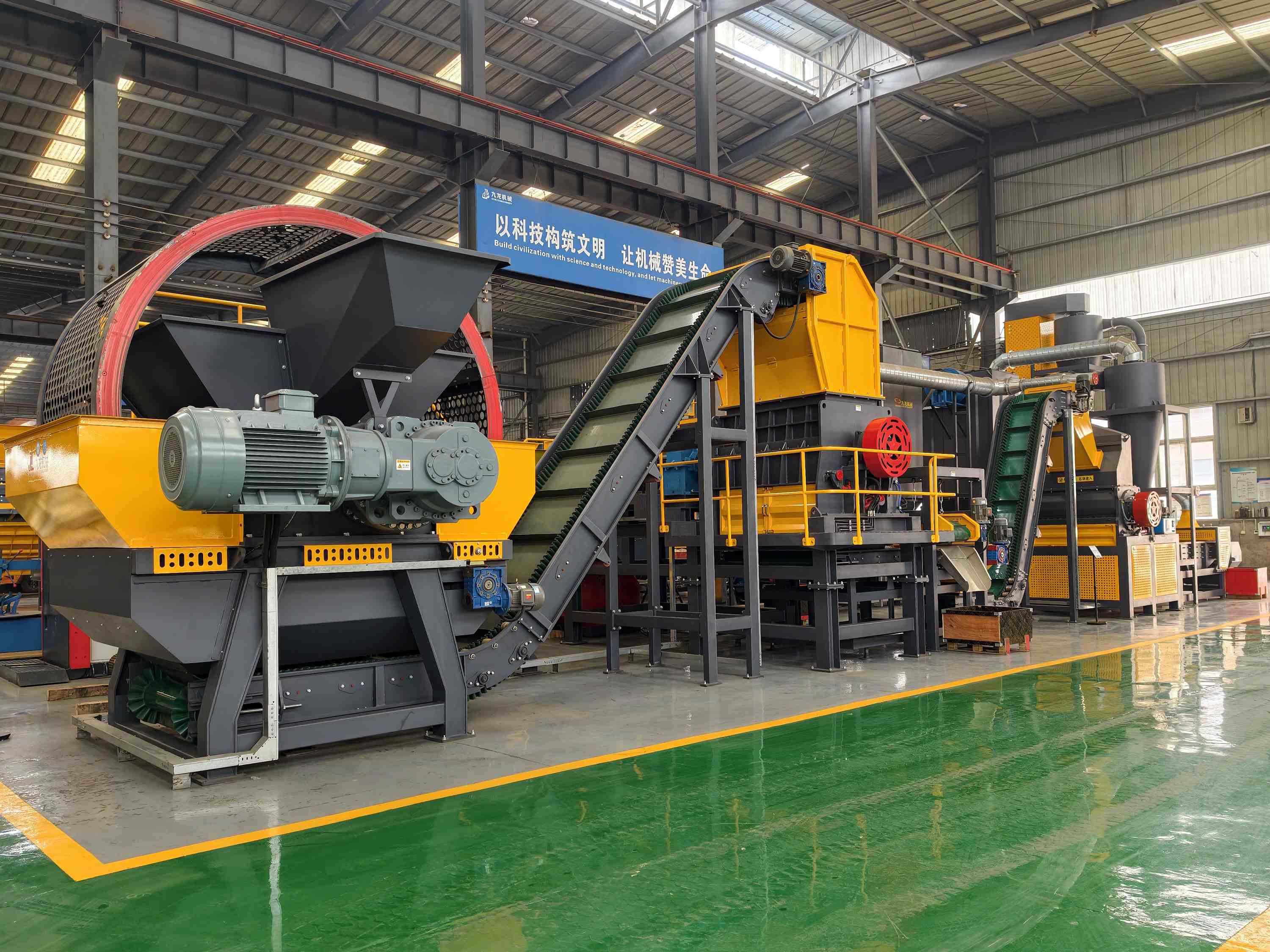
Modern tire shredders are revolutionizing recycling efforts with cutting-edge technologies that significantly reduce environmental impact. These systems incorporate smart sensors and real-time monitoring, allowing operators to optimize shredding processes based on tire composition and wear. By dynamically adjusting parameters, they minimize energy consumption and maximize material recovery, turning old tires into valuable resources like rubber crumb and steel fibers with unprecedented efficiency.
Innovations in blade design and material science are key drivers behind these eco-friendly shredders. Advanced alloys and precision engineering ensure blades stay sharper longer, reducing the need for frequent replacements and lowering maintenance downtime. Coupled with noise-dampening enclosures and emission controls, these shredders operate more quietly and cleanly than ever, making them suitable for urban recycling facilities where environmental and community standards are high.
Beyond hardware, software integrations enable seamless data tracking from shredding to end-product use, ensuring full traceability in the recycling chain. This holistic approach not only boosts operational transparency but also supports circular economy goals by providing high-quality outputs for applications in construction, landscaping, and manufacturing, all while safeguarding our planet's resources.
Cost-Effective Operation: Reducing Energy Consumption in Modern Tire Disposal
Modern tire disposal operations face a dual challenge: managing environmental impact while keeping costs in check. One of the most significant ways to achieve cost-effectiveness is by focusing on energy consumption reduction. By optimizing machinery, such as shredders and pyrolysis units, facilities can slash power usage without sacrificing throughput. This isn't just about turning off lights—it involves retrofitting older equipment with variable-speed drives and smart sensors that adjust energy flow based on real-time processing needs. For instance, a well-tuned shredder might consume up to 30% less electricity during off-peak hours, directly lowering utility bills and enhancing operational margins.
Innovative approaches, like integrating waste heat recovery systems, further drive down energy demands. In pyrolysis processes, excess heat from tire decomposition can be captured and redirected to pre-heat incoming materials or power auxiliary systems, creating a self-sustaining loop. This reduces reliance on external energy sources and minimizes carbon footprints. Companies that adopt such technologies often see a rapid return on investment through reduced fuel and electricity costs, making energy efficiency a cornerstone of profitable, eco-conscious tire disposal.
Beyond equipment upgrades, strategic operational tweaks play a crucial role. Scheduling tire processing during low-demand energy periods, maintaining equipment to prevent energy-wasting inefficiencies, and training staff on energy-conscious practices all contribute. By viewing energy not as a fixed cost but as a variable to be managed, modern facilities can transform disposal into a leaner, more sustainable venture—proving that environmental responsibility and financial prudence go hand in hand.
Versatile Applications: Adapting to Various Waste Management Scenarios with Ease
In today's dynamic waste management landscape, adaptability is not just a feature—it’s a necessity. Our solutions are designed to seamlessly integrate across diverse environments, from bustling urban centers to remote rural areas, ensuring reliable performance regardless of the setting. Whether handling municipal solid waste, industrial byproducts, or specialized materials, the system’s modular components allow for quick adjustments to meet specific local needs. This flexibility reduces downtime and enhances operational efficiency, making it easier for communities and businesses to manage their waste streams without the hassle of constant reconfiguration.
Beyond traditional applications, these versatile tools thrive in challenging scenarios where waste composition varies significantly. For instance, in regions with fluctuating seasonal waste, such as agricultural residues or holiday-related debris, the system can be fine-tuned on the fly to handle different volumes and types. This adaptability extends to emergency situations, like natural disasters, where rapid deployment and reliable waste processing are critical for public health and recovery efforts. By offering robust performance in unpredictable conditions, our approach ensures that waste management remains consistent and effective, even when the unexpected occurs.
Moreover, the ease of adaptation fosters innovation and long-term sustainability. As waste management regulations evolve and new materials emerge, our solutions can be updated without costly overhauls, supporting a circular economy. This forward-thinking design encourages users to explore creative recycling and disposal methods, empowering them to tackle unique challenges, from e-waste in tech hubs to organic waste in food-processing plants. Ultimately, this versatility translates to cost savings and environmental benefits, making it a practical choice for anyone seeking resilient waste management in an ever-changing world.
Durability and Low Maintenance: Ensuring Long-Term Performance in Recycling Facilities
In the recycling industry, durability isn't just an added benefit; it's the cornerstone of facility longevity. Picture sorting lines that withstand constant abrasion from glass and metal, or compactors that resist corrosion from harsh chemical residues. By investing in rugged materials like stainless steel and reinforced polymers, recycling operations can slash downtime and keep materials flowing smoothly day in, day out. This robust build ensures that even under the relentless pressure of high-volume processing, equipment remains reliable, reducing the need for frequent replacements and minimizing operational hiccups.
Low maintenance goes hand-in-hand with durability, transforming how facilities manage their upkeep. Instead of reactive fixes that disrupt workflow, proactive strategies—like self-lubricating bearings or modular components that swap out easily—allow for swift, planned interventions. Imagine conveyor belts designed with fewer moving parts to reduce wear and tear, or sensors that alert staff to potential issues before they escalate into costly breakdowns. This approach not only cuts labor hours but also extends the lifespan of machinery, making it a smart, sustainable choice for facilities aiming to maximize efficiency without constant oversight.
Together, these elements create a synergy that elevates performance over time. In a sector where every minute counts, durable, low-maintenance setups foster a resilient environment where equipment adapts to evolving waste streams and regulatory demands. This forward-thinking mindset helps recycling plants stay competitive, ensuring they can handle tomorrow's challenges while maintaining today's output, all with minimal fuss and maximum reliability.
Innovative Safety Features: Protecting Workers and Equipment During Tire Processing
In tire processing environments, innovative safety features are designed to mitigate risks and enhance overall protection. One key advancement is the implementation of automated monitoring systems that use sensors to detect anomalies like overheating or equipment malfunctions in real-time, preventing accidents before they escalate. These systems often integrate with emergency shutdown protocols to halt operations swiftly, safeguarding both workers and machinery from potential harm.
Beyond automation, ergonomic and barrier-based solutions play a crucial role. For instance, specialized guarding systems with interlock mechanisms ensure that processing machines only operate when enclosures are securely closed, reducing exposure to moving parts. Additionally, improved ventilation systems equipped with advanced filtration help manage airborne particles, protecting respiratory health and minimizing equipment corrosion, which is essential in handling materials like rubber and steel.
To further elevate safety standards, some facilities adopt AI-driven predictive analytics that assess data from wear-and-tear indicators, enabling proactive maintenance schedules. This approach not only prevents unexpected breakdowns but also fosters a culture of continuous improvement, where safety innovations evolve based on operational feedback and industry trends, making tire processing safer and more efficient over time.
FAQ
It features advanced shredding technology that processes tires quickly and efficiently, reducing energy consumption and operational costs compared to traditional methods.
By incorporating automated sorting and high-capacity shredding, it maximizes material recovery rates, turning old tires into reusable rubber and steel with minimal waste.
It helps reduce landfill waste, cuts down on pollution from tire disposal, and supports sustainable practices by enabling the production of eco-friendly materials from recycled tires.
Yes, it's designed to process a wide range, from passenger car tires to large truck tires, adapting easily to various industrial and municipal waste streams.
With robust construction, safety interlocks, and low-maintenance components, it operates reliably under continuous use, minimizing downtime and safeguarding workers.
Its combination of energy efficiency, high throughput, and compact design makes it ideal for facilities looking to upgrade without extensive space or resource investments.
Routine inspections and easy-to-replace blades ensure longevity, with most maintenance tasks designed to be straightforward to minimize operational disruptions.
Conclusion
The New Type Tire Shredder represents a significant advancement in modern waste management by offering efficient recycling solutions through its revolutionary design. This innovative approach enhances tire shredding efficiency, enabling sustainable waste solutions that tackle the growing environmental challenge of tire disposal. By integrating state-of-the-art mechanical systems, the shredder processes materials more effectively, reducing landfill contributions and supporting circular economy goals. The focus on durability and low maintenance ensures that recycling facilities can rely on long-term performance without frequent downtime, making it a practical choice for industrial applications.
Advanced technologies power this eco-friendly recycling tool, driving cost-effective operations that reduce energy consumption in modern tire disposal. Versatile applications allow it to adapt seamlessly to various waste management scenarios, from small-scale operations to large industrial facilities. Innovative safety features play a crucial role in protecting both workers and equipment during tire processing, minimizing risks and enhancing workplace safety. Together, these aspects highlight how the New Type Tire Shredder combines efficiency, sustainability, and reliability to meet the demands of contemporary waste management while promoting environmental stewardship.
Contact Us
Contact Person: Ray
Email: [email protected]
Tel/WhatsApp: +86 13733817580
Website: https://www.zzkowloon.com/