

Leading Petrochemical Industry Events Shaping the Global Market
2026-08-17
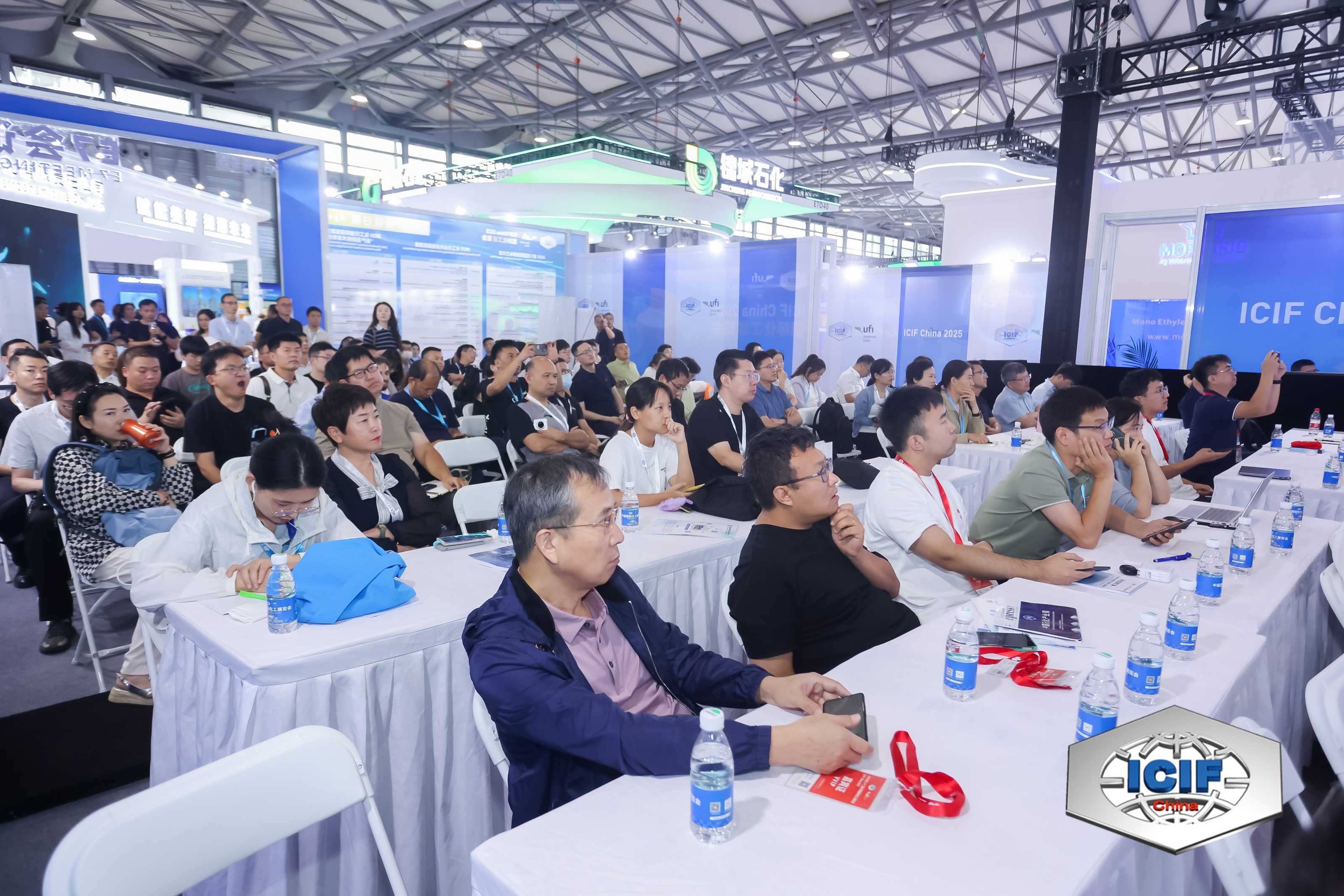
Few industries are shaped as quickly by high-profile events as petrochemicals. A single plant outage, a new trade policy, or a breakthrough in circular feedstocks can ripple across global supply chains in weeks. Keeping track isn’t optional anymore—it’s survival. That’s why industry leaders converge at events like ICIF, where the next market-moving signals tend to surface first. This peek at the leading events shaping the global petrochemical market is your early-warning system.
Trade route upheavals are stretching petrochemical supply chains thinner
The chokepoints that once moved petrochemicals with clockwork predictability have grown erratic, throwing delivery schedules into disarray. A single delayed vessel now ripples through downstream processing plants, leaving crackers short on feedstock and forcing buyers to revisit inventory buffers they had whittled down during years of just-in-time logistics. Freight costs have climbed sharply for alternative lanes, yet even those detours offer little comfort—port congestion and shifting customs protocols eat into the very time savings they were meant to secure.
Producers are discovering that a lean supply chain works beautifully until it doesn’t. With contracted volumes arriving late or not at all, converters are scrambling to patch together spot purchases, often at punishing premiums. Some have begun quietly stockpiling key intermediates like ethylene and propylene derivatives, reversing a decade-long trend toward minimal working inventories. The result is a market where physical availability, rather than posted price, now dictates who can keep lines running and who must idle capacity.
Longer term, the upheaval is prompting a rethink of sourcing maps. Regional supply hubs that once looked redundant are gaining favor, as buyers weigh the cost of duplicated storage against the risk of a single disrupted artery. Yet building such resilience takes time and capital that many mid-sized players lack, leaving them exposed to the next shock. Until new routing patterns stabilize, petrochemical supply chains will likely remain thinner, tighter, and far more reactive to each headline from the world’s most fragile sea lanes.
Middle East crackers come online just as demand wobbles
Fresh steam-cracking capacity in Saudi Arabia and the UAE has started commercial runs after months of commissioning delays, adding roughly 2 million tonnes per year of ethylene and propylene to the regional slate. This wave of supply arrives at a fragile moment for converters and traders, many of whom are still sitting on inventories purchased at higher prices earlier in the year.
Buyers in China and Europe, the two main outlets for Gulf petrochemicals, have turned cautious. Construction activity and durable-goods orders have softened more than forecasters expected, reducing pull for polyethylene and polypropylene. Spot premiums that Middle East producers managed to hold through the first quarter have begun to erode, with several cargoes offered at discounts to formula-linked contracts for prompt delivery.
The timing mismatch is forcing plant operators to balance run rates against weakening margins. Some have trimmed operating rates at older, less efficient units to protect netbacks, while others are using flexible feedstocks and longer credit terms to keep product moving. Project teams behind the next round of cracker investments are watching closely, as a sustained demand wobble could push final investment decisions further into next year.
Ethane and naphtha price gaps swing regional cost advantages
The widening split between ethane and naphtha prices has flipped the script for petrochemical producers on opposite sides of the Atlantic. When ethane trades at a steep discount to its crude-derived rival, U.S. Gulf Coast crackers enjoy a structural edge, churning out ethylene at costs that European and Asian operators can only envy. But the gap is not static—it narrows and widens with feedstock availability, freight rates, and refining margins, and those swings redraw the global cost map almost quarterly.
Naphtha-linked economics remain painfully sensitive to Brent and regional refining dynamics, leaving European steam crackers exposed whenever crude stays firm while U.S. natural gas liquids stay cheap. A sustained ethane discount pulls investment toward the Americas, accelerates export capacity for polyethylene and ethylene glycol, and forces older naphtha-based units in Europe and Northeast Asia to run at reduced rates or face extended maintenance. The resulting trade flows are not just about molecules—they reflect a persistent arbitrage that shifts contract negotiations and spot premiums in downstream polymer markets.
Recent quarters have shown how quickly the pendulum can move. A cold snap in the U.S. or a surge in LPG exports can tighten ethane supply, narrowing the gap and giving naphtha-based producers a temporary breather. For global buyers, these oscillations mean that regional price advantages are never permanent; they are a continuous rebalancing act driven by infrastructure bottlenecks, shipping economics, and the pace of new cracker start-ups. Understanding that volatility is now a core requirement for anyone managing petrochemical supply chains or negotiating long-term feedstock contracts.
Circular plastics targets push operators toward pyrolysis and bio-feedstocks
Plastic waste targets are no longer distant pledges. Across Europe and parts of Asia, regulators have started tying recycling quotas to specific conversion technologies, and pyrolysis has moved from pilot chatter into boardroom strategy. The reason is simple: mechanical recycling cannot handle multilayer films, contaminated packaging or mixed polyolefins at the volumes now demanded. Pyrolysis offers a route that breaks these stubborn streams back into naphtha-like feedstocks, which petrochemical plants can process without overhauling existing crackers. Operators who once dismissed thermal cracking as energy-intensive are recalculating the equation now that carbon penalties and landfill bans tilt the economics.
Bio-feedstocks are entering the same conversation but through a different door. Brand owners chasing renewable content targets are less concerned with end-of-life waste and more with the beginning of the value chain. Tall oil, used cooking oil, and agricultural residues are being pushed into steam crackers to produce bio-attributed ethylene and propylene. This shift does not require new polymerisation assets; it relies on mass balance accounting to trace renewable molecules through a fossil-dominated system. The result is packaging that carries the same performance but a lower carbon footprint on paper. For operators, mixing bio-naphtha into the feed slate can be cheaper than building dedicated bio-refineries, especially when credits are available for avoided emissions.
The combined pull toward pyrolysis and bio-feedstocks is reshaping investment priorities. A cracker that once ran purely on fossil naphtha now needs flexibility to accept pyrolysis oil, bio-naphtha, or blends of both. This means upgrading pre-treatment units, adjusting furnace coil designs to handle oxygenated impurities, and securing long-term supply contracts with waste aggregators and bio-refiners. Operators that move early can lock in feedstock advantage before circular targets tighten further. Those that wait may find themselves buying credits at a premium or losing brand customers to competitors with verified circular content.
Carbon costs start separating petrochemical haves from have-nots
Carbon costs are no longer a secondary line item for petrochemical producers. They have become a structural dividing line, separating companies that can pass through or absorb emissions-related expenses from those that cannot. In regions with firm carbon pricing, operators with newer crackers, access to renewable power, or integrated carbon capture are holding margins, while older, energy-hungry assets are starting to bleed cash even in decent demand cycles.
The divergence shows up most sharply between Europe and parts of Asia, where carbon prices and reporting rules bite hardest, and producers in the Middle East or North America, where cheaper gas and looser carbon regimes still cushion legacy operations. But the split is not purely geographic. Within the same regulatory zone, a handful of players have begun retrofitting furnaces, shifting to green feedstock, and locking in long-term power purchase agreements. Others remain stuck with depreciated plants and no credible retrofit path, watching compliance costs eat into what used to be predictable petrochemical spreads.
That gap is starting to reshape trade flows and investment logic. Buyers with their own net-zero commitments increasingly favor suppliers with lower product carbon footprints, even if it means paying a small premium. Banks and insurers are quietly rationing capital for high-emission projects. As a result, the haves are consolidating their advantage through cheaper financing and preferred supplier status, while the have-nots face a slow squeeze: not from a single shock, but from the steady compounding of carbon costs that their balance sheets were never built to absorb.
Weather shocks and canal disruptions expose fragile logistics
The past two years have made one thing clear: the global movement of goods rests on a handful of chokepoints that are far more vulnerable than most supply chain managers ever admitted. Severe drought in Central America cut Panama Canal transits by more than a third, forcing carriers to reroute around Cape Horn or pay millions for auctioned slots. At the same time, security threats in the Red Sea pushed container lines away from the Suez Canal, adding ten days or more to Asia–Europe sailings. What used to be treated as rare, one-off disruptions now arrive in clusters, leaving little room for recovery.
These bottlenecks reveal how lean inventory strategies have hollowed out resilience. When a canal slows or closes, the immediate response is not to tap into buffer stock—because that buffer was eliminated years ago in the name of efficiency. Ports in Rotterdam, Los Angeles, and Singapore feel the whiplash as vessels bunch up, containers pile high, and chassis run short. Weather events that would have been absorbed by slack in the system now translate directly into delayed deliveries and empty shelves.
Perhaps most worrying is that this fragility is not an accident but a design choice. Logistics networks optimized for lowest cost under stable conditions have no built-in tolerance for the volatility that climate change and geopolitical tension now deliver routinely. Without investing in alternative routes, regional warehousing, and more flexible sourcing, companies will find themselves lurching from one canal crisis to the next.
FAQ
The group's voluntary output cuts, particularly those announced in late 2023 and extended through 2024, tightened heavy crude supplies that many Asian and European crackers rely on. Naphtha cracks jumped when Saudi Arabia and Russia reduced exports of medium sour grades, pushing buyers toward lighter US or West African barrels. That shift raised feedstock costs for non-integrated producers and widened margins for ethane-based operators in North America and the Middle East. It also made propane dehydrogenation (PDH) economics more volatile in China, where propane imports compete directly with naphtha as a cracking feed.
China's massive complexes — like Hengli, Zhejiang Petrochemical, and Shenghong — have added millions of tons of ethylene, propylene, and paraxylene capacity since 2020. Instead of importing large volumes of polymers and intermediates, China now exports growing quantities of polypropylene, polyethylene, and PTA. This has displaced traditional suppliers in Southeast Asia and Turkey, compressed Asian margins, and pushed Middle Eastern producers to redirect cargoes to Africa and Latin America. It also accelerated closures of older, less efficient naphtha crackers in Japan, South Korea, and Europe.
Cheap ethane extracted from shale basins, especially the Permian and Marcellus, has made the US Gulf Coast the world's lowest-cost ethylene producer outside the Middle East. Between 2017 and 2023, more than 10 million tonnes per year of new ethylene capacity came online in Texas and Louisiana. This wave flipped the US from a net importer to a major exporter of polyethylene and ethylene derivatives, undercutting high-cost naphtha-based producers in Europe and Northeast Asia. It also attracted downstream investments in specialty polymers and encouraged more LPG export terminal expansions.
European crackers faced a triple squeeze: record natural gas and electricity prices after the Russia-Ukraine conflict, aging asset bases, and competition from cheaper US and Middle Eastern imports. Many units operated at reduced rates because naphtha-based ethylene cash margins turned negative for extended periods. Companies like BASF, LyondellBasell, and Versalis announced permanent closures of older crackers in Germany, Italy, and the UK. Some sites shifted to importing intermediates rather than producing them locally, accelerating a structural decline in Western European petrochemical capacity.
Attacks on commercial vessels in the Bab el-Mandeb strait forced many carriers to reroute around the Cape of Good Hope, adding 10-14 days and millions of dollars in freight costs for Asia-Europe petrochemical shipments. This disrupted just-in-time supply chains for polymers, solvents, and intermediates. European buyers increased purchases from the US Gulf and Turkey to avoid long lead times, while some Asian exporters shifted volumes to India and the Middle East. The crisis also pushed up container rates and insurance premiums, squeezing margins for low-value bulk petrochemicals.
Mandatory recycled content targets in the EU, Japan, and parts of North America are curbing virgin polymer demand growth. Brands are committing to 25-30% recycled content by 2030, which reduces demand for new polyethylene and polypropylene in packaging. This has led some producers to invest in chemical recycling and bio-based feedstocks, while delaying or canceling virgin capacity expansions. It also creates a two-tier market where food-grade recycled resin commands a premium, and virgin polymer prices face a long-term demand ceiling in developed economies.
CBAM, which began transitional reporting in 2023 and will impose carbon costs from 2026, will affect imports of ammonia, fertilizers, and some downstream chemicals. Petrochemical producers in countries with carbon-intensive grids or coal-based processes will face higher costs to sell into the EU. That could shift trade toward suppliers using natural gas or renewables, and encourage investment in carbon capture and low-carbon hydrogen. It also gives domestic EU producers some protection but may push energy-intensive petrochemical production to regions with weaker carbon pricing, potentially relocating emissions rather than reducing them.
Beyond China, the Middle East is positioning for a second wave of ethane-based crackers in Saudi Arabia, the UAE, and Qatar, leveraging cheap gas and carbon capture projects. India is also emerging as a large demand and production center, with several integrated refinery-petrochemical projects planned. In North America, incremental expansions will focus on debottlenecks and PDH units rather than new world-scale crackers. Latin America and Africa remain niche players, but access to US ethane or local gas could change that. The next wave will favor regions with low-cost feedstock, available capital, and growing domestic demand.
Conclusion
Petrochemical markets are navigating a period of profound realignment as trade route upheavals and weather shocks expose the fragility of long-haul logistics. The Red Sea diversions and recurring canal disruptions have stretched supply chains thinner than at any point in the past decade, forcing buyers to hold larger safety stocks while freight rates swing unpredictably. At the same time, new Middle East crackers are starting up just as downstream demand in construction and durable goods wobbles, creating an awkward mismatch between fresh capacity and slack consumption. Feedstock economics have become sharply regional: the ethane-naphtha price gap now swings cost advantages by the month, with US Gulf Coast ethylene producers gaining when ethane stays discounted but losing that edge whenever naphtha-linked Asian crackers benefit from a crude dip. This volatility is pushing operators to rethink location decisions and contractual terms, blending spot flexibility with longer-term offtake commitments in a way that was rare only a few years ago.
The circular plastics movement and rising carbon costs are separating petrochemical haves from have-nots. Targets for recycled content and bio-feedstocks are nudging producers toward pyrolysis units and mass-balance supply chains, yet the economics remain fragile without regulatory support. Carbon pricing adds another layer: crackers in regions with stringent emissions costs face shrinking margins compared with gas-advantaged sites, forcing investment toward low-carbon hubs. Meanwhile, repeated weather shocks and canal disruptions have elevated supply-chain resilience from an afterthought to a board-level priority. Operators are no longer asking whether another storm or geopolitical flare-up will interrupt delivery, but how many days of buffer they can afford to carry. The result is a market where adaptability, feedstock flexibility, and carbon strategy now matter as much as raw production capacity.
Contact Us
Contact Person: Shaozhen Zhou
Email: [email protected]
Tel/WhatsApp: 0086-18612117599
Website: https://en.icif.cn/