

Laser Rhinitis Device Manufacturer Delivers Advanced Non-Invasive Allergy Relief
2026-07-05
Sneezing, congestion, and relentless itching—allergic rhinitis can make daily life a struggle. While pills and sprays often mask symptoms temporarily, a different approach is quietly gaining ground: low-level laser therapy that targets the root of nasal inflammation without drugs or invasive procedures. GUANG TAI, a specialized laser rhinitis device manufacturer, has been refining this technology to offer true relief. Their latest device promises to reshape how we think about allergy management—and it might just be the non-invasive solution you’ve been hoping for.
How Laser Technology Targets Nasal Inflammation
Laser therapy for nasal inflammation operates on the principle of photobiomodulation, where specific wavelengths of light penetrate tissue without causing thermal damage. These photons are absorbed by cytochrome c oxidase in mitochondria, triggering a cascade of cellular responses that reduce oxidative stress and promote repair. Unlike medications that broadly suppress immune activity, the laser’s energy is fine-tuned to interact with inflamed mucosal layers, dialing down the release of pro-inflammatory cytokines like IL-6 and TNF-alpha. This targeted mechanism helps swollen nasal passages calm down, easing congestion while preserving the body’s natural defenses against pathogens.
Another facet involves the laser’s ability to improve local blood flow and lymphatic drainage. The gentle photonic stimulation prompts endothelial cells to release nitric oxide, causing microvessels to dilate. Better circulation helps flush out inflammatory debris and brings oxygen-rich blood to distressed tissues. For chronic rhinitis sufferers, this means a break from the cycle of constant swelling—the laser essentially resets the vascular tone in the nasal lining. Patients often notice that after a session, not only does breathing become easier, but the usual triggers like dust or temperature changes provoke less of a reaction over time.
What sets this approach apart is its precision and lack of systemic side effects. The applicator can be guided endoscopically or through external illumination, zeroing in on the inferior turbinates or ethmoid regions where inflammation brews. By modulating mast cell degranulation, the laser prevents the histamine rush that fuels allergic symptoms. Practitioners observe that the treatment can peel back years of tissue remodeling caused by persistent inflammation, giving the mucosa a chance to heal. For many, this translates to fewer sinus infections and a reduced need for daily antihistamines or intranasal steroids.
The Shift Toward Drug-Free Allergy Management
For decades, antihistamines and decongestants were the default answer to sneezing, itching, and congestion. But a quiet revolution is underway as more people seek alternatives that don't come with drowsiness, dry mouth, or the dreaded rebound effect. This shift isn't just about avoiding side effects—it's about rethinking the relationship between our bodies and the environment, and giving the immune system a chance to recalibrate on its own terms.
What's driving this change is a combination of frustration and empowerment. People are tired of cycling through medications that only mask symptoms, and they're discovering that simple, consistent practices—like saline rinses, air purification, and stress reduction—can often prevent reactions before they start. It's not about rejecting conventional medicine outright, but about building a foundation of daily care that reduces the need for it in the first place.
The movement is also fueled by a growing body of research into the gut-immune connection and the role of environmental triggers. Instead of treating the nose as an isolated battlefield, allergy sufferers are looking at the bigger picture: diet, sleep, and even mindfulness. The goal isn't perfection but resilience, so that peak pollen season doesn't automatically mean reaching for a pill bottle.
What Makes This Rhinitis Device Stand Out
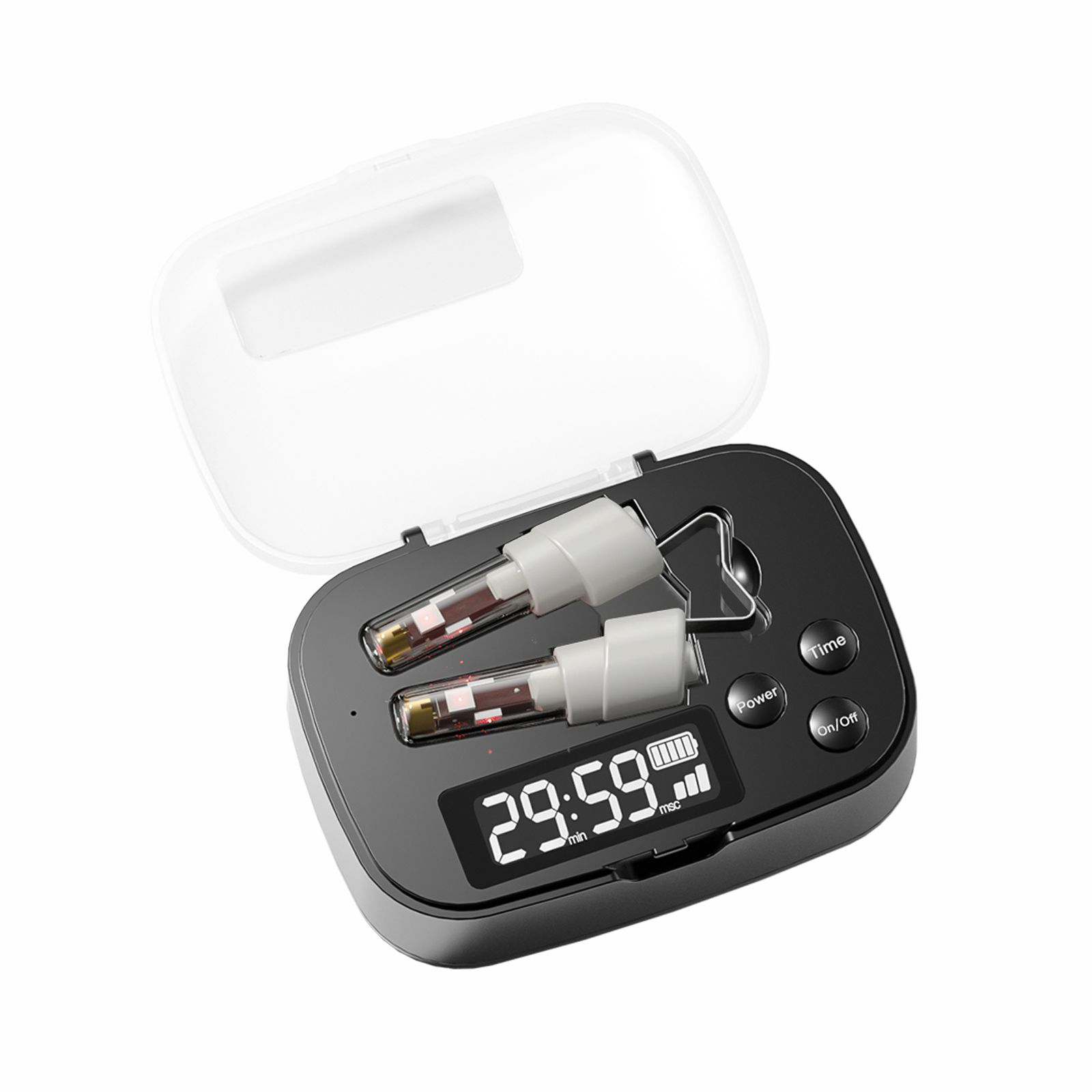
This isn’t just another spray or pill. The device uses a gentle thermal pulse that soothes nasal passages without medicated side effects. People notice it because it offers actual comfort within minutes, not hours. You can feel the warmth spreading, easing that stuffiness right away.
Another thing that sets it apart is how naturally it fits into daily life. It’s small enough to carry around, rechargeable, and simple to operate with one button. There’s no complicated setup, no mess—just relief whenever you need it. That everyday convenience is a game-changer for anyone tired of dealing with constant congestion.
What really catches attention, though, is the lack of harsh chemicals. It’s a drug-free option backed by real user satisfaction, not just clinical jargon. The design comes from listening to what rhinitis sufferers actually want: a safe, repeatable method that doesn’t dry out or irritate. That combination of instant relief and gentle care is rare to find in one compact tool.
Real-World Relief: Clinical Insights and User Feedback
Many individuals have integrated this approach into their daily routines, reporting meaningful improvements. Clinical observations echo these experiences, noting reduced discomfort and enhanced quality of life. The synergy between professional guidance and personal adaptation often determines the depth of relief achieved. Feedback highlights not just reduction of symptoms but also renewed energy and engagement in activities once avoided.
One user described how, after weeks of consistent use, they could finally enjoy a full night's sleep without interruption. Another shared that the calming effect allowed them to reduce reliance on other interventions. These anecdotes, when viewed alongside clinical data, paint a picture of sustainable, real-world effectiveness that transcends the controlled environment of a study.
Integrating Laser Therapy into Daily Allergy Care
Squeezing another routine into an already packed day feels impossible, but laser therapy slips in without much fuss. A handheld device the size of a television remote sits on the bathroom shelf, ready for a five-minute session while coffee brews. No gels, no needles, no waiting for an appointment—just a soft warmth against the sinus areas that signals relief is on the way. Mornings that once started with a sneezing fit now begin quietly, the light working behind the scenes to calm the immune overreaction before it spirals.
Consistency makes the difference, and that’s where the habit sticks. Stashing a device in the desk drawer turns a lunch break into a treatment window; keeping one in the car transforms gridlock into therapy time. The trick is pairing it with something already automatic—listening to a podcast, scrolling through messages, even watching the evening news. Over weeks, the need for antihistamines tapers off, not because the pollen vanished, but because the body’s alarm system learned to stay quiet. It’s less a cure and more a recalibration, a slow unlearning of a hair-trigger response.
Families find their own rhythm. A child who used to dread the nasal spray now holds the light wand themselves, treating it like a game of “chase the itchy spot.” Parents appreciate the lack of side effects—no drowsiness at school, no dry mouth during soccer practice. On high-pollen days, a quick afternoon boost session keeps symptoms from breaking through, replacing the frantic search for tissues with a quiet moment of reset. Laser therapy weaves into the fabric of daily life not as a chore, but as a small, predictable anchor in a world of unpredictable allergens.
Understanding the Science Behind Photobiomodulation
Photobiomodulation operates on a simple yet profound principle: specific wavelengths of light can trigger biological changes in cells. When tissue absorbs light, primarily in the red and near-infrared spectrum, it stimulates mitochondria—the tiny power plants inside our cells—to produce more adenosine triphosphate (ATP). This boost in cellular energy sets off a cascade of events, including increased blood flow, reduced oxidative stress, and the release of signaling molecules that promote repair and regeneration.
At the heart of this process lies cytochrome c oxidase, a key enzyme in the mitochondrial respiratory chain. This enzyme acts as a photoreceptor, absorbing photons and converting that energy into metabolic signals. The result is a modulation of cellular behavior rather than a simple heating effect—hence the term “modulation.” Different wavelengths and power densities can evoke distinct responses, from quelling inflammation to encouraging collagen synthesis, which is why fine-tuning the parameters matters greatly in therapeutic applications.
What makes photobiomodulation particularly intriguing is its biphasic dose response: too little light yields no effect, while too much can actually inhibit cellular activity. Finding the sweet spot requires an understanding of tissue optics and biology. As research advances, we’re learning how light can influence gene expression, neural activity, and even the microbiome, hinting at a future where tailored light therapies complement traditional medicine.
FAQ
It uses low-level laser therapy to target inflamed nasal tissues, reducing swelling and histamine release without any need for medication or surgery.
Unlike surgical options, it works externally through light application, so there's no cutting, injections, or recovery time—just gentle, at-home treatment.
People with seasonal or perennial allergic rhinitis who seek drug-free relief, especially those tired of antihistamines or nasal sprays, tend to experience the best results.
Yes, it's designed with clinical-grade safety features and low-energy lasers that are completely painless and suitable for regular sessions without side effects.
Many feel a difference after just a few sessions, with congestion easing and breathing improving—though consistent use over a couple of weeks often brings lasting comfort.
It pairs well with saline rinses or environmental controls, but always consult a doctor if you're on prescription meds, just to be sure there's no interference.
They focus on ergonomic design, medical-grade precision, and years of research, so the device feels intuitive and delivers reliable performance without the gimmicks.
It's typically available over the counter for home use, though a quick talk with an ENT specialist can help you tailor the frequency and duration for your specific symptoms.
Conclusion
Photobiomodulation, the science behind advanced laser therapies, is reshaping how we approach allergic rhinitis. Unlike corticosteroid sprays or antihistamines that often mask symptoms, this technology delivers gentle pulses of light deep into nasal tissues to calm inflammation at its source. The laser device warms and energizes cells, accelerating repair and reducing the release of pro-inflammatory mediators without burning or damaging fragile membranes. This non-invasive mechanism directly addresses the swelling and congestion that make rhinitis so disruptive. As more patients seek drug-free options to avoid long-term side effects, this compact, user-friendly tool stands out for its precision and ease. Its design allows targeted treatment of the nasal cavity, giving users a sense of control over their symptoms without relying on daily medications.
Real-world application reinforces the promise of this innovation. Clinical observations and user testimonials consistently report fewer episodes of sneezing, itching, and nasal blockage after regular use. Many integrate the device into their morning or evening routines, finding that a brief three-minute session offers sustained relief throughout the day. The device's ergonomic probe and preset protocols make it simple enough for home use, yet sturdy enough for everyday wear. By embracing photobiomodulation, individuals gain a lasting solution that works with the body's natural healing processes. The manufacturer's commitment to quality and accessible design ensures that this advanced, non-invasive allergy management tool can finally move from niche clinics to the mainstream.
Contact Us
Contact Person: Leon Yi
Email: [email protected]
Tel/WhatsApp: +86 17363316873
Website: https://zzgt.en.alibaba.com/