

How to Choose a Tricresyl Phosphate Maker
2026-10-23
Selecting a tricresyl phosphate supplier isn't just about price per kilogram—it's about the hidden costs of inconsistent purity, delayed shipments, and regulatory blind spots. Before you sign another contract, consider what actually separates a reliable TCP maker from a costly gamble. At Fortune, we've seen the same mistakes repeated, and this guide will help you avoid them.
Verify Their Grip on Isomer Ratios, Not Just Total Purity
A certificate of analysis that shows 98% purity can still hide a 70:30 mixture of diastereomers. If your target is a single isomer, that 30% impurity may be the wrong shape for the binding pocket. It's not enough to ask whether the material is pure—you need to know which isomers are present and in what proportion.
Some vendors quote optical rotation or melting point as proof of isomeric identity, but those methods are blunt tools. A chiral HPLC trace or a well-resolved NMR spectrum gives you the actual ratio. Ask for the chromatogram, not just the number. If the batch-to-batch ratio shifts by a few percent, your biological assay may drift in ways that are hard to trace.
For compounds with multiple stereocenters, the total purity figure can be almost meaningless. One batch might contain 5% of an enantiomer that acts as an antagonist; another batch might have 2% of a diastereomer that is toxic. Lock down the isomer ratio as tightly as you would any other critical quality attribute.
Ask Where Their Feedstock Comes From and How It Is Screened
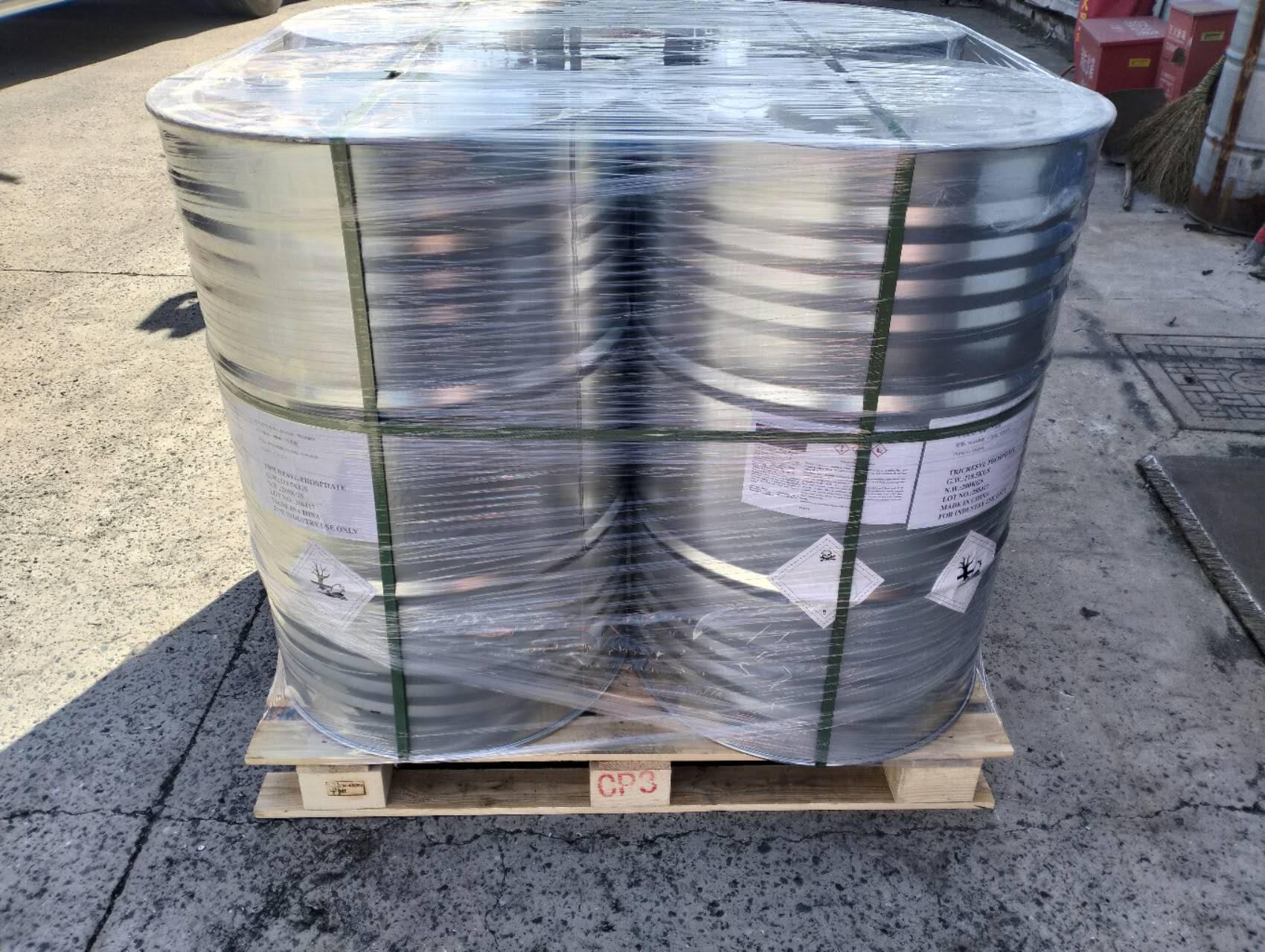
A supplier's answer about feedstock origin reveals far more than a location on a map. It shows whether they have direct relationships with farms, collection centers, or processing hubs, and whether those sources follow consistent practices for cultivation or collection. When the answer stays vague, such as referencing only a broad region without naming specific partners, it often means the company does not track material closely enough to guarantee consistency.
Screening is where quality claims get tested. Ask which tests are performed on incoming material: moisture content, heavy metals, microbial load, pesticide residues, or other contaminants that matter for the feedstock type. Strong suppliers rarely rely only on a certificate of analysis from the source. They run their own random checks, keep records of rejected batches, and can explain how non-conforming material is quarantined. If they cannot describe rejection thresholds or hesitate to walk through their containment process, consider that a warning sign worth taking seriously.
Push for a Sample Batch Before You Commit to a Contract
A purchase contract can look flawless on paper, yet the actual product that arrives may bear little resemblance to what you approved. That gap is exactly why a sample batch should be non-negotiable before any long-term agreement is signed. Without one, you are essentially buying blind, trusting that the supplier's promises will match their production line output. A physical sample closes that risk immediately: you get to inspect materials, check dimensions, and confirm functionality before a single container is booked.
Requesting a sample also tells you a lot about the supplier's attitude. A vendor who hesitates, charges an unreasonable fee, or tries to skip this step often signals deeper reliability issues. Reputable manufacturers expect this request and usually absorb the cost or deduct it from the first bulk order. Use the sample to test not just the product but the entire communication chain—how quickly they respond, how accurately they follow specifications, and how they handle feedback. If the sample process feels messy, the contract execution will likely be messier.
Make the sample request part of your negotiation script, not an afterthought. Be specific about what you need: exact material grade, finish, color tolerance, and packaging. Ask for a pre-production sample that matches the final mass production setup, not a hand-crafted prototype that will never be replicated on a line. Once you approve the sample, keep it as a reference and attach photos or measurements to the contract. That way, if the bulk order arrives different from the approved sample, you have clear grounds for rejection or compensation.
Compare Packaging Options That Fit Your Unloading Setup
Your unloading equipment should drive the packaging decision more than the product itself. A palletized load that works great with a standard forklift and wide dock door can turn into a headache if you're stuck with a narrow aisle and a manual pallet jack. Lift gates, conveyors, and even the height of your trailer floor all change which package style actually saves time instead of creating a bottleneck.
For bulk solids or powders, the comparison gets even more specific. A flexible intermediate bulk container with a discharge spout is handy when you can lift it over a hopper and let gravity do the work, but that same bag becomes a problem if your setup uses a vacuum wand or a screw conveyor. Rigid bins and lined bulk boxes can fit certain receiving pits, while small paper sacks may be the only realistic option for crews that unload by hand, despite the added tear risk.
Before you settle on a spec sheet, run a quick trial with your own crew and equipment. Some suppliers will send sample packaging so you can time the unload, check for damage points, and see whether the stack height works with your dock plate. That kind of hands-on check usually reveals more than a product photo or a list of dimensions ever will.
Look Into Their Track Record for Handling Contaminated Lots
A polished audit report rarely tells you how a supplier behaves when something goes wrong. Demand a list of the last three contaminated lots they handled—what the contaminant was, how it was detected, and the exact date they informed affected clients. If they hesitate to share that, treat it as a warning sign.
Look beyond the final resolution. Did they wait for a customer to complain before acting, or did their in-house testing catch the problem early? A supplier that voluntarily quarantines a suspect batch and issues a recall shows a level of maturity that no quality certificate can fake. Ask them to walk you through the root cause analysis from the most recent incident: what changed in their process, and how they verified the fix actually worked.
Don't just rely on what the supplier says. Contact one or two of their long-term customers and ask directly about contaminated lots. Phrase it neutrally—"Have you ever received a lot that failed incoming inspection?" The way a customer pauses or qualifies their answer can tell you more than a hundred pages of corrective action reports.
Check If They Offer Reformulation Help When Your Needs Shift
A lot of brands will sell you a product and then go quiet. What you want to know before committing is whether they are willing to revisit the formula when your situation changes—not just for allergies, but for things like a shift in skin tolerance, a new medical condition, or even just a change in what you want the product to do day to day.
Ask directly about their reformulation process. Do they charge for adjustments? How long does it take? Do they involve you in the revision or hand it off to a faceless lab? The best indicator is often a brand that treats your feedback as part of an ongoing conversation, not a complaint to be managed.
FAQ
Most buyers ignore esterification byproducts. A responsible maker will limit tricresyl phosphate isomers and keep ortho-cresol content low, because that affects neurotoxicity and material compatibility.
Ask them to show you their analytical methods, not just the certificate. If they hesitate to explain which GC or HPLC method they use for purity, that's a red flag.
Yes. Some processes produce a more viscous liquid or a waxy solid depending on isomer ratio, so your application might need a specific viscosity range. A good maker will match the isomer profile to your use.
Rarely for industrial volumes. Unless you need only a few kilograms for research, stick with a maker that has dedicated esterification reactors and a consistent feedstock supply.
Look at how they handle price adjustment formulas and technical support. A supplier who gives transparent raw material indexing and assigns a technical contact is worth more than a cheaper quote without support.
Definitely. If you ship globally, your TCP maker needs to provide regulatory data packages for different markets, including substance registrations and safety assessments for each region.
Request their waste handling procedure for cresol and phosphorus oxychloride. A clean maker will have closed-loop solvent recovery and air emission controls, and they will be willing to share audit results.
Conclusion
Most buyers fixate on a spec sheet showing 99% purity, but that number hides the real story. Tricresyl phosphate isn't one molecule—it's a mix of ortho, meta, and para isomers, and the ortho fraction drives neurotoxicity. A maker who can't tell you their typical ortho content or how they keep it below your limit isn't worth your time. Ask for batch-level isomer data, not just a certificate of analysis. Then dig into feedstock: cresol from coal tar carries different impurity profiles than petrochemical cresol, and a supplier who screens incoming drums for sulfur or phenolic residues will save you from downstream catalyst poisoning.
Before signing anything, get a sample from a production run—not a lab batch—and run it through your own process. Packaging matters too: if your unloading station uses a certain hose fitting or tank pressure, a maker who only offers 55-gallon steel drums with a fixed bung will slow you down. Ask about isotainers, IBCs, or custom valves. Then check their history with contaminated lots: every plant has a bad batch, but do they quarantine it and alert you, or do they ship and pray? Finally, if your formulation shifts—say you switch from a phosphate ester to a blend for flame retardancy—a good maker will help you reformulate instead of just saying 'not our problem'.
Contact Us
Contact Person: WANG SIHAI
Email: [email protected]
Tel/WhatsApp: +86-13815295628
Website: https://www.fortunechemtech.com/index_en.html