

High-Quality Water Treatment Chemicals Manufacturer: Solutions for Pure Water
2026-06-20
Pure water is the foundation of countless industries, from pharmaceuticals to food production, yet achieving it consistently requires more than just off-the-shelf solutions. That’s where EVO steps in—a high-quality water treatment chemicals manufacturer dedicated to delivering custom-formulated purity. In this blog, we’ll explore how EVO's advanced chemical solutions tackle today’s toughest water challenges, ensuring your processes run cleaner, safer, and more efficiently.
The Chemistry Behind Consistently Pure Water
Producing consistently pure water demands a tight grip on chemical equilibrium. Simple filtration leaves behind charged particles—sodium, chloride, sulfates—that only ion exchange can strip away. Resin beds swap out these contaminants for H+ and OH–, which instantly pair into water molecules, nudging the resistivity upwards of 18.2 megaohm-centimeters.
Yet dissolved organics pose a sneakier threat. They slip past deionization unless you deploy oxidative destruction. Injecting ozone or catalyzing UV light spawns hydroxyl radicals—nature’s molecular wrecking balls—that tear apart pesticides, endocrine disruptors, and biofilm precursors. What’s left is carbon dioxide and plain water, no residual fingerprints.
Then there’s the matter of upkeep. Without continuous recirculation, even the purest batch absorbs atmospheric CO₂, forming weak carbonic acid and dragging conductivity back up. A well-designed system couples polished resin with germicidal ultraviolet lamps and submicron polishing filters, looping water endlessly to smother any regrowth. It’s a dynamic, living chemistry—monitored second by second through inline sensors that track resistivity and total oxidizable carbon. Purity is not a destination; it’s a sustained state of intervention.
Where Precision Engineering Meets Water Science
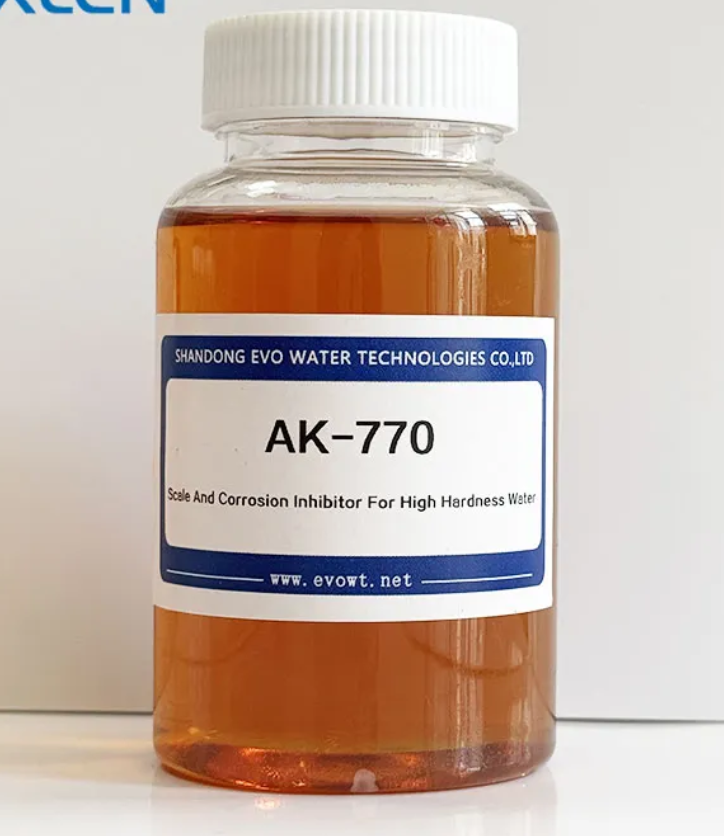
Merging tight-tolerance fabrication with fluid dynamics isn’t just a niche tagline—it’s how we build systems that handle water with the discipline of clockwork. Every channel, seal, and moving part is shaped by the same attention to detail you’d expect in a watchmaker’s workshop.
That mindset brings a kind of quiet confidence to the work. When water must move precisely, not a drop more or less, the marriage of physical craft and hydraulic know-how stops being a concept and starts being the only way forward.
In practice, it means our gear doesn’t just meet a spec sheet; it respects the stubborn realities of water—corrosion, turbulence, pressure spikes—and answers with designs that last.
Solving Water Quality Puzzles Others Can’t Crack
Water quality challenges often defy standard testing and routine analysis. We step in where others have reached their limits—unraveling complex contamination patterns, pinpointing obscure pollutant sources, and interpreting erratic data that defies conventional explanation. Our approach combines advanced forensic chemistry, real-time sensor networks, and cross-disciplinary insight to decode what’s really happening in a water system.
While most firms rely on off-the-shelf monitoring, we blend field intuition with custom-built diagnostic tools. Whether it’s tracing intermittent industrial discharges in a river catchment or resolving conflicting lab results from a municipal supply, we treat every case as a unique puzzle. No two water mysteries are the same, and our track record rests on an ability to adapt methods—not just apply them—until clarity emerges.
The difference lies in how we listen between the data points. We don’t just test water; we read its history. Seasonal flux, hidden infrastructure interactions, and subtle microbial shifts can all hold the key. By integrating on-the-ground observation with high-level analytics, we crack puzzles that confound routine audits—and give communities and industries actionable answers, not just more questions.
Not Just Chemicals, but a Relationship with Clean Water
Clean water is more than a formula; it’s a living connection we nurture. While chemical treatments play a role, they’re just one thread in a larger fabric of respect and reciprocity. When we approach water as a partner rather than a problem to be solved, every drop becomes a conversation—a shared promise to sustain life, not just sanitize it.
This relationship unfolds in quiet choices: restoring a streambank, leaving buffers to filter runoff, or simply listening to what a watershed needs instead of imposing rigid solutions. It’s an ongoing dialogue where technology humbly steps back, allowing nature’s own rhythms—wetlands purifying, soil reviving—to lead the dance. Chemicals become a temporary helper, not the main character.
In the end, safeguarding water is an act of kinship. It asks us to see beyond pipes and tests, into the memory that flows from mountain to tap. By fostering this bond, we don’t just treat water; we honor a cycle that has cradled communities long before us, ensuring it runs clear for those who’ll follow.
Manufacturing with a Lighter Footprint, Naturally
We've always believed that making things shouldn't mean taking more than we give back. That's why our production processes are designed around renewable energy, closed-loop water systems, and materials that come from sustainably managed sources. It's not about offsetting impact after the fact — it's about rethinking every step so that nature isn't an afterthought.
Instead of relying on harsh chemicals or excessive resource extraction, we lean into biomimicry and low-emission techniques. Our factories run on solar and wind where possible, and we've cut water usage by nearly half over the last five years through smarter recapture and reuse. The result is a manufacturing approach that feels less industrial and more in tune with the rhythms of the planet.
But a lighter footprint isn't just a technical target — it's a mindset. From the dyes we choose to the stitching that holds our products together, every decision is weighed against its long-term environmental cost. The goal is to create goods that don't just last, but that are made with the kind of care that leaves the land, air, and water better than we found them.
Your Blueprint for Reliable Water, Without the Guesswork
Imagine turning on the tap and knowing, without a second thought, that the water is safe, clean, and ready for anything. That kind of confidence doesn't come from hoping the pipes hold up or crossing your fingers during a storm. It comes from a well-laid plan—one that accounts for your household's real needs, the quirks of your local system, and the occasional surprises life throws your way. This isn't about stockpiling endless jugs or installing some overhyped gadget. It's about building a simple, personalized routine that works so quietly in the background, you almost forget it's there.
The heart of that routine is knowing what you're up against—and what you already have. Start by taking stock of your water source: is it a private well, municipal supply, or something else? Each one has its own personality. A well might need regular testing for minerals and bacteria, while city water could shift in taste or pressure depending on maintenance work down the street. Pair that with a realistic look at how you use water every day—drinking, cooking, bathing, laundry—and you'll quickly see where a backup supply or a simple filter earns its keep. No guesswork, just a clear-eyed assessment.
From there, reliable water becomes a matter of small, consistent steps. Set up a basic rotation for storing a few days' worth of clean water, and mark your calendar to refresh it before it sits too long. Invest in a quality water test kit or a trusted local lab, so you're not chasing phantom issues. And when you do add equipment—a softener, a reverse osmosis unit, or even a whole-house filter—choose something that fits your actual budget and space, not just the shiniest option on the shelf. Over time, these habits stitch together into a system that keeps surprises at bay, leaving you free to focus on everything else that matters.
FAQ
Our formulations prioritize minimal impurities and precise dosing, achieving consistent results that meet the strictest water quality benchmarks without overcomplicating the process.
We work directly with your team to analyze feed water composition and operational goals, then blend or modify our product lines to match, even if it means creating something completely new.
We serve a wide range, but our deepest expertise lies in power generation, pharmaceutical manufacturing, and municipal drinking water systems where failure simply isn't an option.
It means raw material traceability, multiple in-process checks, and final product testing against both international standards and our own tighter internal specs before anything ships.
Beyond supplying the chemicals, we provide detailed documentation, jar testing guidance, and even on-site audits to ensure your treatment program aligns with evolving EPA and local requirements.
We focus on concentrated formulations to reduce shipping carbon, develop biodegradable options where possible, and help clients optimize dosages to cut waste without sacrificing performance.
Our logistics network is built for speed, with regional warehouses stocking popular lines for same-day dispatch, and we can often expedite bulk orders within 48 hours to keep your plant running.
Because we treat every batch like it's going into our own drinking water, and our service team remembers your system quirks so you don't have to re-educate a new supplier every time.
Conclusion
High-quality water treatment chemicals are the unsung heroes behind every drop of pure water that powers industries and communities. The chemistry is meticulous—selecting the right coagulants, flocculants, and disinfectants to handle complex contaminants without upsetting downstream processes. But it’s more than formulas; it’s precision engineering woven into water science. Every batch is tailored, from ultra-pure boiler feed to specialized wastewater streams, with a focus on consistency that eliminates the guesswork. At the heart of it is a belief that clean water isn’t a transaction—it’s a long-term partnership built on trust, rapid problem-solving, and the ability to crack puzzles others walk away from.
Behind the scenes, manufacturing with a lighter footprint isn’t an afterthought—it’s a natural extension of quality. Processes are re-engineered to minimize waste, reclaim energy, and use fewer virgin resources while delivering performance that matches or exceeds harsher alternatives. This isn’t about checklists; it’s about giving operators a clear blueprint for reliable water, where the chemistry, engineering, and support all align. Whether facing seasonal shifts in raw water or sudden process upsets, the result is water that’s predictably pure, without the constant need to second-guess what’s coming out of the tap.
Contact Us
Contact Person: Fiona Su
Email: [email protected]
Tel/WhatsApp: 8619963724144
Website: https://www.evo-chemical.com/