

Gray Iron Casting: Which One Is Reliable?
2026-10-05
When a gray iron casting fails, the cost goes far beyond the part itself. You lose time, labor, and trust. So the real question isn't just where to buy, but which foundry you can actually rely on. That hunt often leads to Zhaoyuqi, but before you commit, let's look at what separates a dependable gray iron casting supplier from the rest.
Gray Iron Quality Is Decided Before the First Pour
The final properties of a gray iron casting are largely set long before the first ladle tips. Melt chemistry, superheat, and inoculation practice during the holding and transfer stages determine whether the iron will develop the desired flake graphite structure, matrix hardness, and machinability. Once the metal enters the mold, there is very little room to correct a poorly prepared base iron; what happens in the furnace and in the ladle is the real quality gate.
Close attention to charge materials and melting parameters pays off in consistent carbon equivalent, a balanced silicon-to-carbon ratio, and controlled levels of manganese and sulfur. These factors shape graphite length, distribution, and the resulting pearlite/ferrite balance. If a foundry drifts on any of these variables before tapping, even an excellent gating system and a well-compacted mold will not rescue the casting from hard spots, shrinkage, or weak mechanical properties.
Inoculation timing and temperature loss between furnace and pouring station are just as critical. A well-inoculated iron can rapidly fade if delays are too long or if the stream is too cold, leading to undercooled graphite, carbides, and inconsistent section properties. Treating the pre-pour window as a controlled process—rather than a simple transfer step—allows the foundry to lock in the intended microstructure and avoid surprises after shakeout.
What Machinists Notice First in a Bad Gray Iron Casting
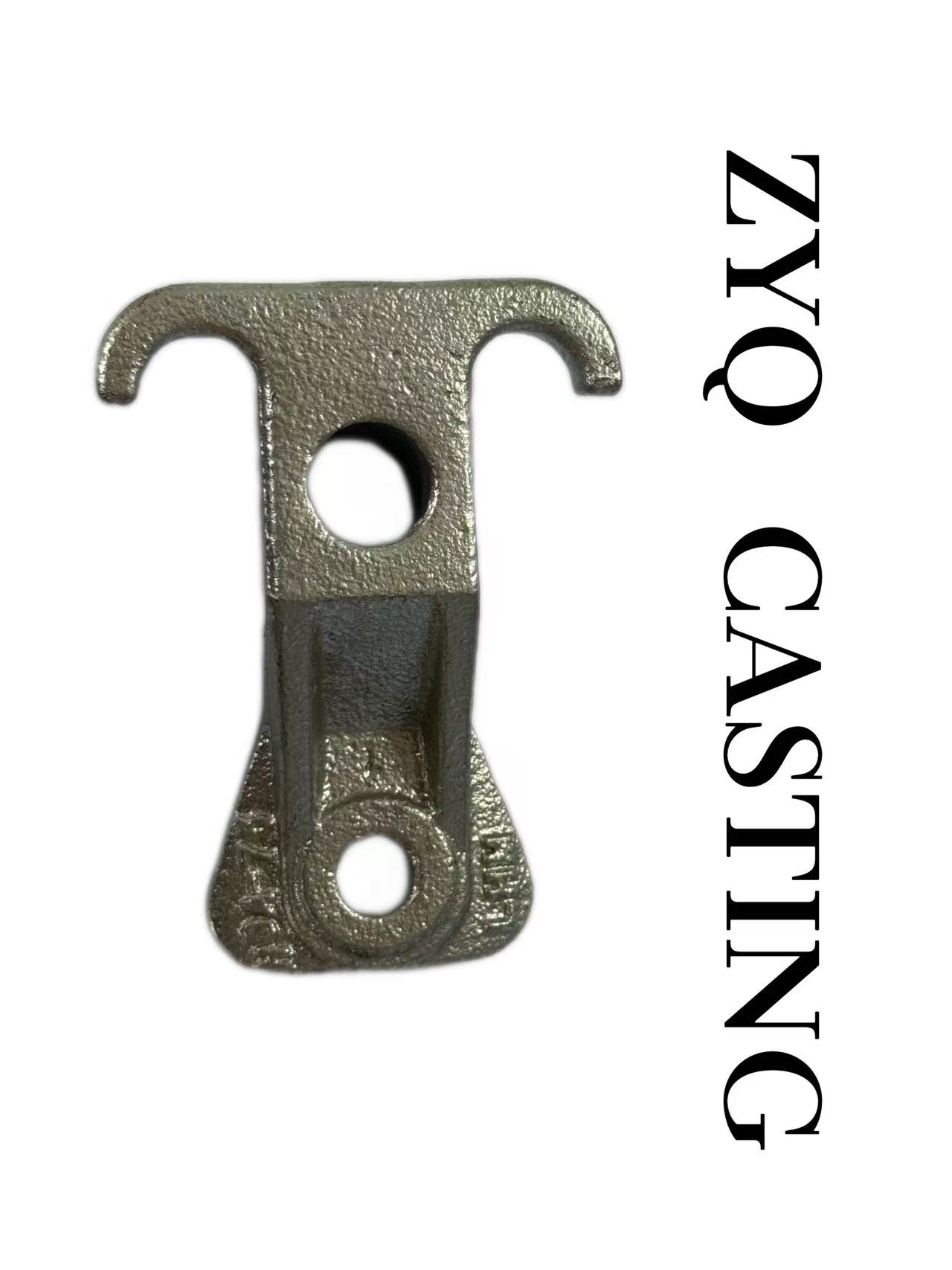
The first clue usually comes before a cutting tool ever touches the part. A dull, mottled skin or a section that rings flat and dead under a light tap can signal trouble. Run a fingernail across the surface and you might feel grit, sand inclusions, or small hard spots that shouldn't be there.
Once the machine starts cutting, a gray iron casting that chews easily for an inch and then grabs, squeals, or chips the tool edge is making a hard spot obvious. Chill or excess cementite from rapid cooling in thin sections creates those white, glassy patches that destroy cutting edges. The first pass can also open up pinholes or sponge-like shrinkage voids just beneath the skin, leaving a surface that looks torn rather than cleanly cut.
A freshly turned gray iron surface should have an even, slightly gray sheen. If it comes off with bright white streaks, torn graphite, or a dull, dusty finish that wears inserts fast, the machinist knows the casting chemistry or cooling rate was off. Tool life drops, dims change on their own, and every adjustment becomes a fight against an inconsistent blank.
How to Spot a Foundry That Actually Knows Your Alloy
A foundry that truly understands your alloy will rarely begin with a quote. Before any pricing talk, they ask where the part lives—what it bolts to, what it's exposed to, what temperature cycles it sees. They know that the same nominal grade can behave completely differently depending on how the melt is handled, and they'll tell you which elements tend to segregate in that specific composition, and how they adjust pouring temperature and cooling rate to keep things uniform.
Look at how they back up their claims. Ask for a typical microstructure photo from the last batch of the exact grade you need. If they can walk you through the ratio of phases, or explain why one heat of C95800 resisted seawater better than another, that's a good sign. A shop with a real metallurgy habit will talk about deoxidation practice, grain refinement, and what they do when the spectrometer reading drifts at 3 p.m. on a Friday. If every answer starts with "we've been doing this for thirty years," keep looking.
Ask for a similar past job, but don't stop at the certificate. A foundry that knows your alloy will tell you about the pours that didn't work—the shrink that showed up near the boss, the gas porosity traced back to a humid charge—and what they changed in the gating or riser design because of it. They'll admit that the casting window for this material is narrow, and that they add a specific inoculant at a precise temperature. Anyone who promises no problems before seeing your drawing is guessing, not knowing.
The Real Cost of a Discount Gray Iron Casting
A lower sticker price on gray iron castings rarely tells the whole story. The savings evaporate once parts hit the machine shop and reveal porosity, hard spots, or drifted cores. Every scrapped casting, extra setup, and unexpected tool change adds cost that never appears on the original quote.
Discount foundries often cut corners in ways that don't show up in a dimensional inspection report. Inconsistent inoculation, recycled scrap of unknown origin, or rushed cooling can leave uneven hardness across a single batch. That forces your operators to slow down feeds, swap inserts more often, or sort parts by hand just to keep production moving.
Then there is the long-term damage: a casting that passes first article but fails in the field destroys trust and triggers warranty claims. The true cost of a bargain gray iron casting includes the hours spent chasing quality issues, the lost capacity from rework, and the risk of a customer walking away. If the price seems too good to be true, it usually means someone else is absorbing a cost you haven't found yet.
Small Orders, Big Expectations, and Where Reliability Gets Tested
When the order is small, the pressure doesn’t shrink with it. A single carton of specialty fasteners, a handful of custom gaskets, one prototype bracket—these arrive with the same demand for on-time delivery as a full container load. The difference is that there’s no buffer for error. A missed pickup or a mislabeled pallet might get absorbed in a large shipment, but for a small order it means a stalled assembly line or a disappointed end customer who ordered something they couldn’t find anywhere else.
Reliability gets tested in the margins. Warehouses built to move volume often push small orders to the edge of the workflow, where they wait for a full batch or get routed through the same checkpoints without the same urgency. Yet the buyer’s expectation doesn’t scale down. They want tracking that updates before they have to ask, packaging that survives a single trip instead of a palletized journey, and a customer service rep who knows the difference between a backorder and a brush-off.
The real test isn’t whether a company can handle the big, predictable runs—it’s whether the same care holds when the order number has five digits instead of seven. That’s where reputation quietly gets built or broken, one modest package at a time.
Promises on a Quote vs. Castings on Your Dock
Many foundries will tell you that the price per pound is locked in and the delivery timeline is firm. Then the castings show up at your receiving dock looking nothing like the samples you approved. The discrepancy isn't just frustrating—it costs real money in rework, returns, and production delays.
A quote is a piece of paper with numbers and fine print. Castings on your dock are physical objects that either fit your assembly or don't. Surface finish, dimensional tolerances, even the alloy composition can drift from what was promised. You don't find that out until you start machining or welding.
The gap between promises and delivery usually comes down to process control. Some suppliers cut corners on pattern maintenance or skip heat treatment steps to hit a quoted price. Others simply overpromise because they know you won't inspect every piece right away. Either way, the only quote that matters is the one backed by castings you can actually use.
FAQ
Reliability comes down to consistency in the process, not one perfect sample. Stable charge materials, precise inoculation control, and strict sand mold compaction all play a part. If a foundry can show you tensile strength and hardness trend charts for the same grade over the past six months, that's a good sign. Also watch how they handle scrap: a shop that cuts open defective castings, analyzes the cause, and keeps records is usually more dependable than one that simply remelts and moves on.
Don't just look at the quote. Ask for three customer contacts who order similar castings, then call them directly and ask about late deliveries, rework rates, and actual communication quality. Also ask the foundry to describe a past failure and what corrective action they took. If the answer is vague or they blame the raw material entirely, be careful. A reliable shop will proactively point out a tricky wall thickness transition instead of saying yes to everything.
Class 30 / GG20 is usually the safest general-purpose choice, but if vibration is the main load, a slightly higher carbon equivalent Class 25 can absorb energy better. For high-temperature service, gray iron with small additions of chromium or molybdenum resists growth and oxidation more than plain grades. The key is to ask why they recommend a particular grade for your working conditions, not just whether they can pour the old grade on the drawing.
Most of the time it's residual stress that was never relieved. Shakeout too early or forced cooling locks stress into the part, so it moves after rough machining. A reliable foundry lets castings cool slowly in the mold or a holding area and applies stress-relief annealing when needed. Before ordering, ask for their stress-relief parameters and insist on a full first-article dimensional check after machining before they run the batch.
At a minimum, they should offer a material certificate with spectrographic analysis and tensile test results, a dimensional report, and spot ultrasonic or X-ray records for internal soundness. Even better is a photomicrograph from each heat showing A-type graphite with uniform flake size. If all you get is a generic certificate of conformance and you have to chase everything else, that's a reliability red flag.
Usually yes, especially for complex shapes. An in-house pattern shop makes modifications easier and the gating and risering design more practical. Filling and solidification simulation can spot cold shuts and shrinkage porosity before you waste time on trial castings. The extra cost often comes back through fewer scrapped parts and a shorter development cycle, but only if they actually feed the simulation results back into the process instead of using it as a sales brochure.
Lead time is not about being the shortest; it's about matching promise to reality. A foundry that says they are busy and need five weeks is more reliable than one that promises three weeks and ships in six. Communication matters early: a good supplier raises design concerns at the pattern stage instead of staying silent until problems appear. If your contact can talk directly to an engineer rather than a salesperson who just passes messages, problem-solving gets much faster.
Yes, if they are focused. A small shop that has made the same few types of gray iron castings for years can have a tighter process window than a big plant. Large foundries offer more testing equipment and capacity flexibility, but your small-batch order might not get much attention. Ask about their current order mix: if most of their work is similar to yours in size, alloy, and complexity, a small shop can often beat a big one on response time and consistency.
Conclusion
Reliability in gray iron isn't a last-minute inspection checkbox; it's baked in long before molten metal touches the mold. A foundry that controls charge materials, inoculation, and cooling curves can tell you why a casting will machine consistently, not just that it passed a hardness test. Machinists feel the difference immediately—hard spots, chilled edges, or porosity that tears inserts apart. Those flaws trace back to decisions made hours earlier: scrap ratios, chemistry drift, or a rushed pour. If a supplier can't walk you through their melting and sand control process in plain language, you're gambling. The ones worth your purchase order treat your alloy specification as a starting point, not a suggestion, and they can name the exact additions they use to hit your tensile and hardness targets.
Discount gray iron castings rarely save money once they hit your shop floor. The hidden costs appear as excessive tool wear, rejected lots, or hidden shrinkage that only shows up after machining. Small orders magnify these risks because foundries that chase volume often treat them as distractions, leading to inconsistent cores, rushed shakeout, or poor dimensional checks. What really separates a dependable supplier is how their quoted promises hold up when boxes arrive at your dock. A reliable foundry sends castings that match the certs, pack them with care, and stand behind the material when something goes wrong. If you have to fight for a return or explain a two-hour tool change, that 'savings' is already gone.
Contact Us
Contact Person: Nico Yin
Email: [email protected]
Tel/WhatsApp: 8618561567088
Website: https://www.ductileironparts.com/