

Grain Oriented Electrical Steel: Top Applications and Benefits Explained
2026-02-01
In the world of advanced materials, grain-oriented electrical steel stands out as a cornerstone of modern energy-efficient technologies. From power transformers to electric motors, this specialized steel plays a pivotal role in reducing energy losses and enhancing performance across numerous applications. At the forefront of this innovation is Jiangsu Baowu New Materials, a leader in producing high-quality electrical steel solutions. In this blog, we'll dive into the top applications and key benefits of grain-oriented electrical steel, shedding light on how it powers our sustainable future. Discover why this material is essential in today's energy landscape and how industry leaders like Jiangsu Baowu are driving progress with cutting-edge advancements. Stay tuned as we explore the transformative potential of this remarkable material!
Essential Use Cases for Grain Oriented Electrical Steel in Power Grids
Grain oriented electrical steel plays a pivotal role in modern power grids by enhancing the efficiency of transformers, which are fundamental to energy distribution. Its unique crystalline structure, aligned in the rolling direction, minimizes core losses and magnetostriction, leading to quieter operation and reduced energy waste. This makes it indispensable for high-voltage transmission lines, where every percentage point of efficiency gain translates into significant cost savings and lower environmental impact over decades of service.
Beyond standard transformers, this specialized steel is crucial in phase-shifting transformers and reactors that stabilize grid voltage and manage power flow. Its superior magnetic properties allow for more compact designs without sacrificing performance, enabling utilities to adapt to fluctuating demands and integrate renewable sources like wind and solar. This adaptability supports smarter, more resilient grids that can handle both traditional and emerging energy challenges seamlessly.
In applications such as instrument transformers and large-scale power generators, grain oriented electrical steel ensures accurate measurement and reliable energy conversion, preventing inefficiencies that could lead to blackouts or equipment failures. Its durability under high magnetic flux conditions helps extend the lifespan of critical infrastructure, making it a cornerstone for future-proofing grid networks against increasing loads and technological advancements.
How Grain Oriented Steel Enhances Transformer Efficiency and Performance
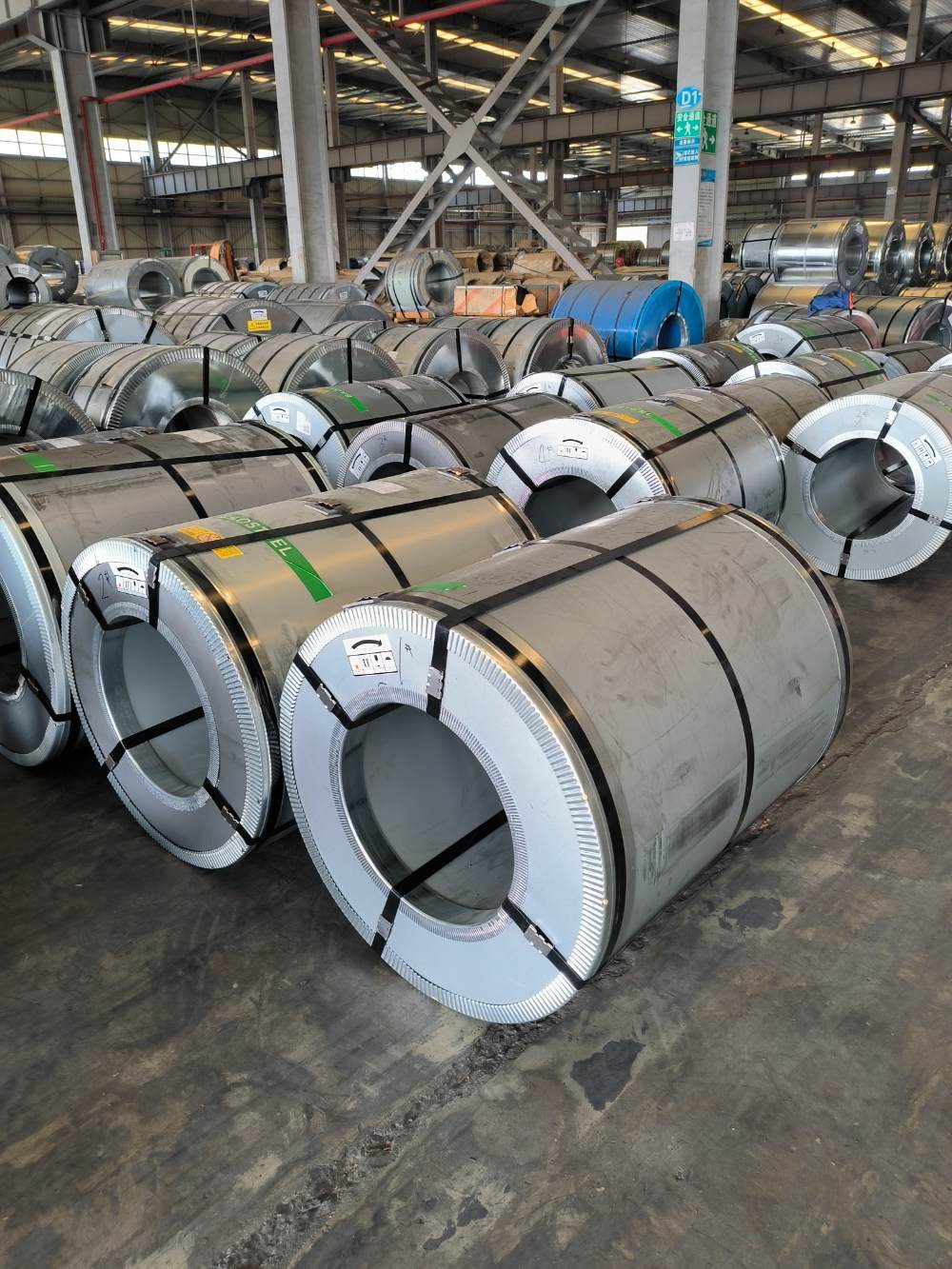
Transformers are at the heart of electrical distribution, where efficiency directly impacts operational costs and energy conservation. Grain oriented steel plays a crucial role in this by aligning its crystalline structure in a specific direction, which minimizes energy losses during the magnetization process. This alignment reduces core losses significantly, making transformers not only more efficient but also cooler and quieter in operation.
By improving magnetic properties, grain oriented steel allows for higher saturation flux density, enabling transformers to handle greater loads without increasing size. This leads to compact designs that save space and materials, all while enhancing performance under varying load conditions. Additionally, the reduced hysteresis loss contributes to lower heat generation, prolonging the lifespan of transformer components and reducing maintenance needs.
In practical terms, the use of grain oriented steel translates into transformers that consume less electricity, lowering carbon footprints and operational expenses. This material innovation supports the shift towards greener energy systems by optimizing power transmission efficiency, making it a key factor in modern electrical infrastructure.
Exploring the Unique Properties That Make Grain Oriented Electrical Steel a Critical Material
Grain oriented electrical steel isn't just another industrial material; its real magic lies in how its crystal structure is meticulously aligned during manufacturing. Through a specialized rolling and annealing process, the steel's grains orient themselves in the direction that magnetic fields typically flow in electrical applications. This precise alignment dramatically reduces energy losses caused by hysteresis and eddy currents, which is why this steel is indispensable in transformers and high-efficiency motors.
What truly sets grain oriented electrical steel apart is its magnetic permeability. In simpler terms, this property allows the material to conduct magnetic flux with exceptional ease, enabling transformers to operate at higher efficiencies. This isn't a minor improvement—it translates to significant energy savings on a global scale, reducing electricity waste and supporting sustainable energy infrastructure. Without this steel, modern power grids would struggle with inefficiencies that drive up costs and environmental impact.
Beyond efficiency, the durability and reliability of grain oriented electrical steel make it a cornerstone of electrical engineering. It maintains its properties under constant electromagnetic stress, ensuring that transformers and other devices have long operational lifespans with minimal maintenance. This combination of high performance and resilience cements its role as a critical, often underappreciated, material in powering our world quietly and effectively.
Comparative Advantages of Grain Oriented Electrical Steel in High-Frequency Applications
When it comes to high-frequency applications, grain oriented electrical steel offers distinct benefits that set it apart from other materials. Its unique crystalline structure, specifically oriented in the rolling direction, significantly reduces core losses at elevated frequencies, making it a prime choice for transformers and inductors operating above typical power frequencies. This orientation enhances magnetic permeability, allowing for more efficient energy transfer with minimal heat generation. In practical terms, this means devices can run cooler and handle higher frequencies without compromising performance or longevity.
Beyond just efficiency, grain oriented electrical steel provides superior magnetic saturation characteristics that are crucial in high-frequency environments. This material maintains its magnetic properties under rapid cycling, which is essential for applications like switching power supplies and telecommunications equipment where frequency fluctuations are common. Unlike non-oriented steels, it minimizes eddy current losses through its laminated design and tailored grain alignment, reducing the need for bulky cooling systems. This translates to more compact and reliable components that can thrive in demanding settings where space and thermal management are key concerns.
In addition to its technical prowess, grain oriented electrical steel excels in cost-effectiveness over specialized high-frequency alternatives like amorphous metals or ferrites. While those materials might offer niche advantages, grain oriented steel delivers a balanced performance across a wide frequency range, making it a versatile and economical pick for mass production. Its durability and ease of manufacturing further support its use in industries ranging from renewable energy to automotive electronics, where high-frequency operation is becoming the norm. By choosing this steel, engineers can achieve robust designs without sacrificing affordability or adaptability.
The Role of Grain Oriented Electrical Steel in Reducing Energy Losses and Costs
At the heart of modern electrical infrastructure lies grain oriented electrical steel, a material that plays a surprisingly pivotal role in enhancing efficiency and cutting down on operational expenses. Unlike standard steel, its unique crystalline structure is meticulously aligned during production, which significantly improves magnetic properties. This means that when used in transformers and other magnetic cores, it allows for more efficient energy transfer with far less waste as heat. Essentially, by minimizing hysteresis and eddy current losses, this steel helps devices run cooler and last longer, directly impacting energy consumption in power grids and industrial applications.
The impact on cost reduction extends beyond just energy savings. Because grain oriented electrical steel reduces core losses, equipment manufacturers can design smaller, lighter transformers without sacrificing performance. This translates to lower material usage and easier installation, which in turn drives down both upfront manufacturing costs and long-term maintenance fees. For utilities and businesses, this means a quicker return on investment through reduced electricity bills and fewer replacements. It's a game-changer in an era where sustainability and economic efficiency are paramount, quietly optimizing everything from household appliances to large-scale power distribution.
Moreover, as global energy demands rise, the subtle yet profound benefits of this material become even more critical. Innovations in production techniques have made it possible to fine-tune its properties, offering tailored solutions for specific applications. By integrating it into smart grids and renewable energy systems, we're not just curbing losses but future-proofing our infrastructure against escalating costs. In short, grain oriented electrical steel isn't just a component—it's a strategic asset that bridges technical performance with real-world savings, making our energy networks more resilient and affordable over time.
Innovations and Future Trends Driving Adoption of Grain Oriented Electrical Steel
Recent breakthroughs in production processes, such as advanced cold rolling and precise annealing techniques, have significantly enhanced the magnetic properties of grain oriented (GO) electrical steel, making it more efficient for transformer cores. These innovations reduce energy losses by up to 30%, directly addressing global demands for sustainable energy systems.
Looking forward, trends like the integration of nanotechnology and smart grid expansion are set to propel GO steel adoption further. By enabling thinner laminations with superior permeability, these advancements support next-generation transformers that can handle fluctuating renewable energy inputs more effectively.
Market drivers, including stricter energy efficiency regulations and rising investments in electrification projects, ensure that GO steel remains a critical material. Its adaptability to emerging applications, like electric vehicle charging infrastructure, underscores its pivotal role in a decarbonized future.
FAQ
Grain oriented electrical steel is primarily used in power transformers, distribution transformers, and high-efficiency motors, where it helps reduce energy losses and improve performance in electrical systems.
Grain orientation allows the steel to have a preferred magnetic direction, which enhances magnetic permeability and reduces core losses, making it ideal for applications requiring efficient energy transfer.
It significantly cuts down on hysteresis and eddy current losses in transformers and motors, leading to lower electricity consumption and reduced operational costs over time.
Unlike non-oriented steel, which has random grain alignment, grain oriented steel is processed to align grains in one direction, offering superior magnetic properties along that axis for specific applications.
Yes, it's commonly found in wind turbine generators and solar power inverters, where its high efficiency helps optimize energy conversion and grid integration.
Production involves complex processes like cold rolling and annealing to achieve the desired grain alignment, which can be costly and require precise control to maintain quality.
Ongoing improvements, like thinner gauges and better coatings, lead to more compact and efficient transformers, supporting trends toward miniaturization and sustainability.
Conclusion
Grain oriented electrical steel (GOES) stands out as a specialized material that drives efficiency across modern power grids. Its essential applications in transformers and other grid components hinge on unique properties like low core loss and high magnetic permeability, which significantly enhance performance. By reducing energy losses in electrical transmission, GOES plays a pivotal role in lowering operational costs and improving sustainability in power systems. This benefits everything from large-scale infrastructure to everyday energy consumption, making it a backbone of reliable and cost-effective electricity distribution.
Looking ahead, innovations in grain oriented electrical steel are set to boost its adoption further. As high-frequency applications grow, its comparative advantages over other materials become more pronounced, supporting trends toward smarter grids and renewable energy integration. These advancements not only improve transformer efficiency but also align with global efforts to minimize energy waste. Ultimately, GOES emerges as a critical, evolving material that balances technical excellence with economic and environmental gains, ensuring it remains indispensable in future electrical engineering developments.
Contact Us
Contact Person: Zoe Liang
Email: [email protected]
Tel/WhatsApp: 86 189 2128 6299
Website: https://www.baowuchina.com