

FRP Structure Companies: Innovating with Fiber Reinforced Polymers
2026-02-26
In the world of modern construction and engineering, Fiber Reinforced Polymers (FRP) are revolutionizing how we build and innovate. FRP structure companies are at the forefront of this transformation, leveraging lightweight, durable materials to create sustainable and efficient solutions for a wide range of applications. From industrial grating to complex architectural projects, the potential of FRP is reshaping industries globally. As leaders in this field, Sino Grating exemplifies how cutting-edge technology and expert craftsmanship come together to deliver superior performance and reliability. Dive into our latest insights to explore how FRP is driving the future of design and construction, and discover why staying ahead of the curve matters for your next project. Get ready to unravel the innovations that are setting new standards across the globe.
Building the Future: How FRP Structures Revolutionize Modern Architecture
Imagine a world where buildings are not just functional but also remarkably resilient and lightweight, all thanks to the innovative use of Fiber-Reinforced Polymer (FRP) materials. Unlike conventional construction methods, FRP structures offer unparalleled flexibility, allowing architects to design sleek, organic shapes that were once impossible with steel or concrete. This revolution is already visible in cutting-edge skyscrapers and eco-friendly homes, pushing the boundaries of modern aesthetics and sustainability.
One key advantage of FRP is its exceptional strength-to-weight ratio, which enables the creation of larger, more open spaces without the need for bulky supports. This material also resists corrosion and decay, ensuring structures last longer and require less maintenance over time. As urban areas face increasing environmental challenges, FRP provides a durable solution that can withstand harsh climates while reducing the carbon footprint of construction projects.
Looking ahead, the integration of FRP in architecture is set to accelerate, driven by advancements in manufacturing and a growing emphasis on green building practices. From modular housing to innovative bridges, this technology empowers designers to craft spaces that are not only visually striking but also more efficient and adaptable. Ultimately, FRP’s transformative role in construction is reshaping our built environment, paving the way for a smarter, more sustainable future.
Beyond Concrete: The Durability and Flexibility of Fiber-Reinforced Polymers
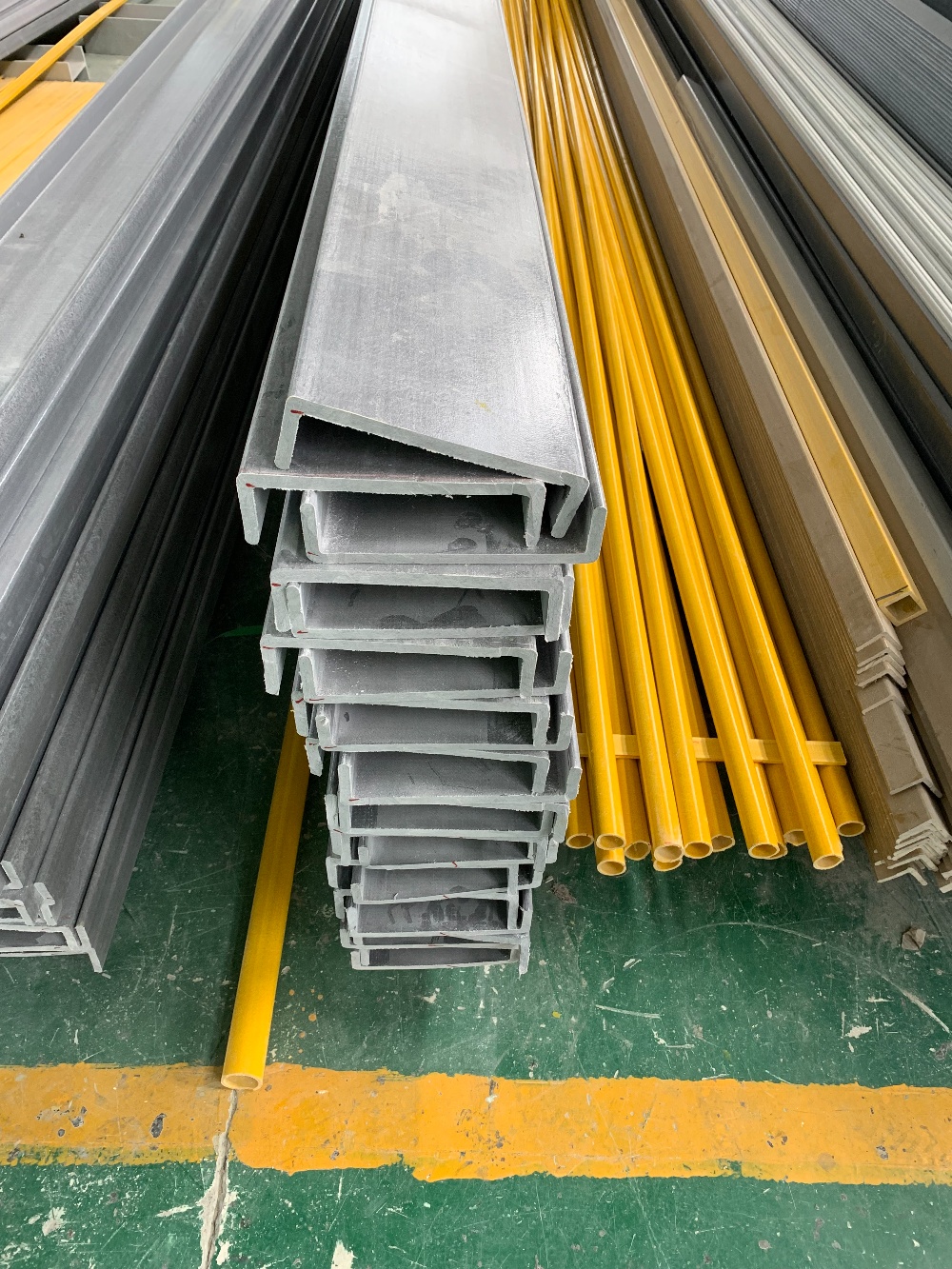
When we think of building materials, concrete often comes to mind for its strength and reliability. However, fiber-reinforced polymers (FRPs) are reshaping this perception, offering unique advantages that go beyond traditional options. Unlike concrete, which can become brittle over time, FRPs combine high-strength fibers with a polymer matrix to create a material that is not only durable but also remarkably flexible. This flexibility allows it to absorb impacts and resist cracking, making it ideal for applications in seismic zones or structures subjected to dynamic loads.
The durability of fiber-reinforced polymers stems from their resistance to environmental factors such as corrosion, moisture, and chemical exposure, which often degrade concrete and steel. This longevity reduces maintenance needs and extends the lifespan of infrastructure, from bridges to marine installations. Moreover, FRPs are lightweight compared to concrete, enabling easier transportation and installation without compromising on performance, which can lower construction costs and timeframes.
Beyond just technical benefits, the adaptability of FRPs opens up innovative design possibilities, allowing for complex shapes and customizations that concrete cannot achieve. This versatility is driving their adoption in modern architecture and engineering, where sustainability and efficiency are prioritized. By embracing fiber-reinforced polymers, industries are not only enhancing structural integrity but also paving the way for more resilient and creative building solutions.
Lightweight Solutions: Enhancing Efficiency with FRP in Construction Projects
In construction projects, the adoption of Fiber-Reinforced Polymer (FRP) materials is revolutionizing traditional building methods by offering lightweight yet robust solutions. Unlike heavy steel or concrete, FRP components significantly reduce structural weight, leading to easier handling and faster installation on-site. This not only cuts down labor costs but also minimizes the need for heavy machinery, allowing projects to proceed with greater agility in constrained urban environments or remote locations.
Moreover, FRP's unique properties, such as high strength-to-weight ratio and corrosion resistance, enhance durability without adding bulk, ensuring longer lifespans and reduced maintenance over time. By integrating FRP into designs, engineers can streamline workflows, accelerate construction schedules, and achieve more sustainable outcomes through efficient material use and minimized waste.
As the construction industry increasingly prioritizes speed and sustainability, FRP stands out as a game-changer, enabling innovative approaches that boost overall project efficiency while maintaining structural integrity and safety standards.
Sustainable Innovation: Environmental Benefits of Using FRP Materials
One of the standout advantages of FRP materials in sustainable innovation lies in their durability and corrosion resistance. Unlike traditional materials like steel or wood, FRP doesn't rust or degrade quickly when exposed to harsh chemicals or environmental conditions. This means structures made from FRP, such as pipes, tanks, and panels, can last much longer without constant maintenance or replacement. By extending product lifecycles, we reduce the need for frequent manufacturing and the associated energy consumption and waste generation, contributing to a lower overall environmental footprint.
Another key environmental benefit is the lightweight nature of FRP, which plays a significant role in reducing carbon emissions during transportation and installation. Because FRP is lighter than metals like steel, it requires less fuel to ship and can be handled more efficiently on-site, cutting down on energy use and greenhouse gas emissions. This aspect not only makes FRP an eco-friendly choice but also aligns with modern demands for more efficient and cost-effective construction and industrial processes, helping industries meet sustainability goals without compromising performance.
Additionally, FRP's recyclability and potential for reduced resource extraction add to its environmental credentials. Many FRP components can be recycled or repurposed at the end of their service life, minimizing landfill waste and promoting a circular economy. Also, the production of FRP often uses less raw material compared to heavier alternatives, conserving natural resources. By opting for FRP, companies can demonstrate a commitment to innovative, green solutions that support long-term environmental health, making it a smart choice for those aiming to integrate sustainability into their projects.
Custom Designs: Tailoring FRP Structures for Unique Industrial Applications
In today's dynamic industrial landscape, the demand for highly specialized solutions has led to the rise of custom-designed Fiber Reinforced Polymer (FRP) structures, which offer unparalleled flexibility to meet unique application challenges. Unlike off-the-shelf alternatives, these tailored systems are engineered from the ground up, considering factors such as extreme environmental conditions, specific load requirements, or stringent compliance standards. By collaborating closely with clients, designers can optimize material compositions, structural geometries, and manufacturing processes to ensure that each FRP component not only fits seamlessly into existing operations but also enhances overall efficiency and durability. This personalized approach allows industries ranging from chemical processing to offshore energy to leverage FRP's corrosion resistance and lightweight properties in ways that standard products simply cannot achieve, fostering innovation and reducing long-term maintenance costs.
One of the key advantages of custom FRP designs lies in their ability to address niche industrial needs that often go unaddressed by conventional materials. For instance, in sectors like wastewater treatment or mining, where exposure to harsh chemicals or abrasive substances is common, bespoke FRP structures can be formulated with specific resin systems and reinforcement techniques to withstand these aggressive environments. This customization extends beyond mere material selection to include intricate details like custom fittings, integrated sensors, or modular assemblies that facilitate easy installation and scalability. By tailoring each element to the exact specifications of a project, companies can avoid the compromises associated with generic solutions, resulting in structures that perform reliably under unique operational pressures while minimizing downtime and safety risks.
Moreover, the process of developing custom FRP structures encourages a collaborative partnership between manufacturers and end-users, fostering an iterative design cycle that refines solutions based on real-world feedback. This hands-on approach ensures that every aspect, from initial concept sketches to final production, is aligned with the practical demands of the application, whether it involves creating complex shapes for architectural facades or reinforcing components for high-stress industrial machinery. As industries continue to push the boundaries of what's possible, the adaptability of custom FRP designs empowers organizations to tackle emerging challenges head-on, turning unique industrial applications into opportunities for groundbreaking advancements and sustainable growth.
Cost-Effective Engineering: Long-Term Savings with FRP Technology
Cost-effective engineering isn't just about slashing upfront expenses; it's about making investments that deliver lasting value. With FRP technology, you're choosing a material that minimizes long-term maintenance and replacement costs. Unlike steel, which rusts over time, or concrete that can crack and deteriorate, FRP composites resist corrosion from chemicals, moisture, and harsh environmental conditions. This durability means fewer repairs, less downtime, and a significantly extended lifecycle for structures, translating directly into substantial savings that compound over the years.
Beyond its resilience, FRP offers unique advantages in installation and operational efficiency. Its lightweight nature reduces labor and equipment costs during construction, while its design flexibility allows for prefabrication, cutting project timelines and minimizing on-site disruptions. In industries like wastewater treatment or marine applications, FRP's resistance to corrosion means it maintains structural integrity without the need for constant painting or protective coatings, lowering both material and labor expenditures over time.
When evaluating total cost of ownership, FRP emerges as a standout choice for engineers seeking to balance performance with economy. By investing in FRP, projects benefit from reduced lifecycle costs through enhanced durability, lower maintenance needs, and improved energy efficiency in some applications. This makes it not just a cost-effective solution now, but a financially savvy decision that pays dividends well into the future, ensuring long-term savings without compromising on quality or safety.
FAQ
Fiber Reinforced Polymers (FRPs) are composite materials made of fibers, such as glass or carbon, embedded in a polymer matrix. They're crucial in modern construction due to their high strength-to-weight ratio, corrosion resistance, and durability, which allows for innovative designs and longer-lasting structures.
FRP structure companies focus on using lightweight, flexible materials that enable faster assembly and reduced maintenance costs compared to traditional firms, which often rely on heavy materials like steel and concrete, leading to longer construction times and higher environmental impact.
Sure, one notable example is the FRP pedestrian bridge in the Netherlands, which was prefabricated and installed in just a few days, showcasing how these materials can speed up construction while maintaining structural integrity and aesthetic appeal.
Key challenges include higher initial material costs, a need for specialized knowledge in design and fabrication, and sometimes regulatory hurdles due to the relative newness of FRPs compared to conventional building materials.
FRPs support sustainability by being lightweight, which reduces transportation emissions, and by offering longer lifespans with less maintenance, thereby minimizing resource use over time. Some FRPs are also recyclable, adding to their environmental benefits.
Emerging trends include the integration of smart sensors into FRP components for real-time monitoring, increased use in seismic-resistant designs, and advancements in bio-based polymers to enhance sustainability further.
FRP structures are versatile but often preferred for applications where weight, corrosion resistance, or rapid construction are priorities, such as bridges, marine structures, and modular buildings, though they may not be as common in high-rise construction yet.
Conclusion
FRP structure companies are at the forefront of a transformative shift in modern architecture and construction, driven by the innovative use of Fiber-Reinforced Polymers (FRP). By revolutionizing how we build, these companies are moving beyond traditional materials like concrete to offer solutions that are not only durable and flexible but also lightweight, enabling more efficient construction projects. This adaptability allows for the creation of custom designs tailored to unique industrial applications, fostering a new era of engineering where long-term cost savings and enhanced structural integrity go hand-in-hand.
In addition to performance benefits, FRP innovations are paving the way for sustainable building practices, showcasing significant environmental advantages. As these companies continue to innovate, they are building the future with materials that combine strength, versatility, and eco-friendliness, ensuring that FRP technology remains a cornerstone of cost-effective and efficient engineering in diverse sectors worldwide.
Contact Us
Contact Person: Nicholas Zhu
Email: [email protected]
Tel/WhatsApp: 18921275456
Website: https://www.sino-grate.com