

Expert Guide to Selecting a China Cryogenic Ball Valve Manufacturer for Optimal Performance
2026-04-20
Navigating the complex landscape of cryogenic ball valves in China can be daunting, but the right choice is crucial for maximizing performance and reliability in demanding applications. In this expert guide, we delve into the key factors to consider when selecting a manufacturer, with a focus on durability, precision, and innovation. Standout among the top contenders is ZMV, renowned for its cutting-edge engineering and proven track record in cryogenic solutions. Ready to unlock the secrets to optimal performance? Let's explore what sets the best apart—starting with why meticulous manufacturer selection matters.
Identifying Key Quality Standards for Cryogenic Ball Valves
When it comes to ensuring the reliability and safety of cryogenic ball valves, identifying key quality standards is not just a checklist but a critical foundation for performance in extreme cold environments. These standards often focus on materials that withstand temperatures as low as -196°C, such as high-grade stainless steel or specialized alloys, which prevent embrittlement and leakage under duress. Beyond material specs, rigorous testing protocols—like helium leak tests and cryogenic cycling—are essential to validate that valves can handle thermal shocks without compromising their sealing integrity. This meticulous approach helps manufacturers and users alike avoid costly downtimes and safety hazards in industries like LNG processing or aerospace.
Understanding the operational context is key to pinpointing relevant standards; for instance, in medical gas systems or pharmaceutical applications, valves must comply with stringent cleanliness and sterility requirements, such as those outlined in ISO 13485 or FDA guidelines. Similarly, in industrial settings like chemical plants, standards from organizations like ASME B16.34 or API 6D come into play, emphasizing pressure ratings, fire-safe designs, and fatigue resistance. By tailoring standards to the specific cryogenic application—whether it's for transporting liquefied gases or controlling cryogenic fluids in laboratories—professionals can ensure that valves not only meet basic safety thresholds but excel in durability and efficiency over their lifecycle.
A standout aspect in this realm is the integration of advanced monitoring and smart technologies, which are becoming increasingly vital in modern quality standards. For cryogenic ball valves, this might involve embedding sensors to detect real-time temperature fluctuations or developing self-diagnostic features that alert operators to potential failures before they occur. Embracing innovations like this not only aligns with emerging industry trends but also sets high-performing valves apart by enhancing predictive maintenance and operational transparency. Ultimately, by focusing on these dynamic, application-driven standards, stakeholders can better navigate the complexities of cryogenic systems and invest in solutions that deliver consistent, long-term value without the pitfalls of outdated or generic compliance.
Evaluating Manufacturer Certifications and Compliance
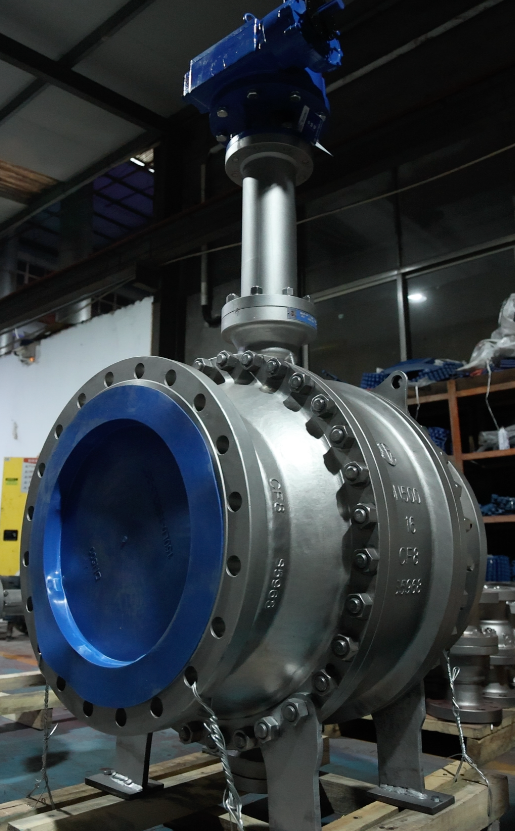
When it comes to evaluating manufacturer certifications and compliance, it's not just about checking boxes—it's about ensuring that the products you rely on meet rigorous standards for quality and safety. This process involves a deep dive into the specific certifications that matter most in your industry, such as ISO 9001 for quality management or UL certifications for electrical safety. Beyond the paperwork, look for manufacturers who actively participate in audits and provide transparent documentation, as this indicates a commitment to ongoing improvement rather than just meeting baseline requirements.
Moreover, compliance isn't static; it's a dynamic aspect of manufacturing that adapts to new regulations and emerging risks. A thorough evaluation should consider how manufacturers stay up-to-date with changes in laws and industry best practices, perhaps through continuous training programs or partnerships with regulatory bodies. This proactive approach can help mitigate risks down the line and ensure that products remain reliable and compliant over time, not just at the point of sale.
Ultimately, assessing certifications and compliance effectively requires a nuanced perspective—one that goes beyond the surface-level credentials to understand the underlying processes and culture of the manufacturer. By focusing on those who demonstrate a genuine dedication to excellence and adaptability, you can build a more resilient supply chain and foster trust in the products you produce or use.
Assessing Material Durability in Low-Temperature Applications
When evaluating materials for low-temperature applications, it's crucial to go beyond standard cryogenic ratings and consider how real-world conditions impact performance. Factors like thermal cycling, mechanical stress under extreme cold, and chemical compatibility with cryogenic fluids often dictate durability more than basic temperature thresholds alone. For instance, a polymer might withstand -50°C in a lab test but fail prematurely in a fluctuating industrial environment due to embrittlement or fatigue cracks.
Innovations in material science, such as advanced composites and nanostructured alloys, are reshaping durability standards by offering enhanced resistance to low-temperature degradation. These materials can maintain flexibility and strength even in sub-zero conditions, making them ideal for aerospace, energy storage, or polar research where failure isn't an option. Testing methods like impact toughness assessments and fracture mechanics analysis help quantify this resilience, ensuring selections align with specific application demands.
Ultimately, assessing durability isn't just about surviving the cold; it's about predicting longevity and performance over time. By integrating data from accelerated aging tests and field studies, engineers can tailor material choices to mitigate risks like thermal shock or corrosion in cryogenic settings, leading to safer, more reliable systems in challenging environments.
Optimizing Valve Design for Performance and Efficiency
When it comes to engineering, optimizing valve design is more than just a technical tweak; it's a strategic move that directly impacts how systems perform and conserve energy. By refining the geometry, materials, and actuation mechanisms, engineers can reduce pressure drops and minimize leakage, leading to smoother operations and lower energy consumption across various applications like industrial plants and automotive engines.
Beyond basic adjustments, innovative approaches such as computational fluid dynamics simulations and smart sensor integration are key to cutting-edge valve designs. These methods allow for precise control and real-time monitoring, enhancing efficiency by adapting to changing conditions and preventing failures before they occur, which sets top-performing systems apart from the rest.
Comparing Production Capabilities and Customization Options
When it comes to selecting a manufacturing partner, the balance between robust production capabilities and flexible customization options can significantly impact your business outcomes. It's not just about having state-of-the-art machinery; it's the seamless integration of advanced production lines with skilled craftsmanship that ensures both high-volume efficiency and precision in every piece. For instance, companies that invest in automated systems often handle large orders swiftly, but if they don't prioritize adaptable processes, clients might face rigid timelines or limited personalization. By examining how each provider manages these aspects, you can gauge whether they can meet your demand for quality without compromising on uniqueness, ultimately leading to products that stand out in crowded markets.
Customization goes beyond just tweaking designs; it's about empowering clients to tailor products to their exact specifications, which often requires a deep understanding of material properties and creative problem-solving from the production side. A manufacturer might boast extensive resources, but if they lack the agility to implement client-driven changes mid-production, your custom project could end up feeling generic. Look for partners who actively collaborate throughout the process, offering real-time feedback and adjustments rather than sticking to rigid blueprints. This hands-on approach not only enhances product relevance but also builds stronger relationships, making each collaboration feel more like a tailored journey than a standard transaction.
In today's fast-paced market, the interplay between production scalability and customization depth is what sets industry leaders apart. Rather than viewing these as conflicting priorities, successful manufacturers blend them by using modular production techniques that allow for both mass output and bespoke variations without sacrificing speed or cost-effectiveness. For example, a company might use digital tools to streamline initial designs while maintaining a dedicated team for intricate custom requests, ensuring that even high-volume runs include elements that reflect individual client vision. By prioritizing this synergy, businesses can confidently launch innovative products that are not only produced efficiently but also resonate more personally with their target audiences, driving long-term loyalty and market differentiation.
Navigating Supply Chain and Lead Time Considerations
Supply chain navigation and lead time considerations are pivotal for maintaining operational efficiency in today's dynamic market. Companies often face challenges such as fluctuating demand, logistical bottlenecks, and geopolitical factors that can disrupt timelines. By proactively mapping out supply routes and understanding potential delays, businesses can mitigate risks and ensure smoother workflows.
Strategies like diversifying suppliers, investing in technology for real-time tracking, and building strong relationships with partners play a crucial role. It's not just about speed but also about reliability; a well-managed chain reduces uncertainties and supports consistent delivery schedules, ultimately enhancing customer satisfaction and competitive edge.
In practice, integrating these considerations into planning phases allows for more agile responses to disruptions. Whether it's adjusting inventory levels or re-evaluating transportation methods, a thoughtful approach to lead times can transform potential setbacks into opportunities for optimization and growth.
FAQ
Chinese manufacturers often excel by integrating advanced materials like stainless steel with specialized sealing technologies, ensuring durability in extreme temperatures below -150°C, while rigorous testing protocols help maintain consistent performance across industries like LNG and aerospace.
You can request detailed certifications such as ISO 9001 and API 6D, review third-party audit reports, and ask for sample testing data on cryogenic performance, including leakage rates and pressure endurance, to ensure adherence to international standards.
Consider their production capacity, inventory of critical components like ball and stem materials, logistics networks for international shipping, and customization timelines, as delays often stem from material sourcing or complex valve designs.
Customization ensures valves fit specific applications, such as varying sizes, pressure ratings, or materials resistant to cryogenic media, enhancing safety and efficiency in unique operational environments like cryogenic storage or processing plants.
Prices depend on material grades, valve sizes, and certification levels; watch for hidden costs like shipping fees, import duties, or charges for additional testing, which can impact the overall budget if not negotiated upfront.
Look for manufacturers offering warranty coverage, technical assistance for installation and maintenance, readily available spare parts, and responsive customer service to address issues like performance degradation or emergency repairs.
Review their project portfolios or case studies in industries like LNG, petrochemicals, or medical cryogenics, and inquire about their R&D focus on low-temperature innovations, which indicates deeper expertise beyond standard valve production.
Conclusion
Selecting the right cryogenic ball valve manufacturer in China is a critical decision that demands a strategic approach. This comprehensive guide emphasizes starting with key quality standards, such as API 6D and BS 6364, which ensure the valve's reliability under extreme low temperatures. Equally important is evaluating manufacturer certifications—look for ISO 9001 and CE marks, indicating rigorous quality control and regulatory compliance. By thoroughly assessing these aspects, you can identify manufacturers that meet essential industry benchmarks for safety and performance.
Beyond certifications, material durability is paramount; ensure manufacturers use stainless steel 316 or other alloys proven to withstand cryogenic conditions without embrittlement. Optimize valve design by considering features like extended stems and anti-blowout shafts to enhance efficiency and longevity. Additionally, compare production capabilities and customization options to tailor valves to your specific requirements. Finally, navigate supply chain considerations, including lead times and logistics, to ensure timely delivery and operational continuity. This holistic strategy helps in choosing a manufacturer that delivers optimal performance and value in demanding low-temperature applications.
Contact Us
Contact Person: Lucas Lin
Email: [email protected]
Tel/WhatsApp: 8613968913000
Website: https://www.zhengmaogroup.com