

Discover the Best RCBO Company for Your Home or Business Needs
2025-12-27
Are you searching for the ideal RCBO solution to protect your home or business electrical systems? Choosing the right RCBO company can make all the difference in safety and efficiency. In this blog, we'll explore key factors to consider and introduce you to SINGI – a leader in innovative electrical protection solutions. Discover how their expertise could be the perfect match for your needs.
What is an RCBO and Why Every Property Needs One
An RCBO, or Residual Current Circuit Breaker with Overcurrent protection, is a compact electrical device that integrates two critical safety functions into one unit. It combines the features of a residual current device (RCD), which detects ground faults by monitoring imbalances in current flow, and a miniature circuit breaker (MCB), which protects against overloads and short circuits. By merging these components, an RCBO provides comprehensive protection against electrical hazards like electric shocks, fires, and equipment damage.
In today's properties, where electrical systems are increasingly complex and power demands often fluctuate, having an RCBO offers a significant advantage over traditional separate circuit breakers and RCDs. It ensures that if a fault occurs—say, from a worn appliance or faulty wiring—the device reacts swiftly to cut off power, minimizing risks. This makes it especially valuable in modern homes and businesses where safety standards are paramount, helping to prevent accidents before they happen.
Ultimately, installing RCBOs in a property isn't just about compliance with regulations; it's about proactive safety and peace of mind. They are designed to be reliable, easy to install in distribution boards, and cost-effective in the long run by reducing the need for multiple devices. Whether renovating an old building or constructing a new one, incorporating RCBOs can enhance overall electrical safety, making them a wise investment for any property owner.
Top Features to Look for in a Quality RCBO Supplier
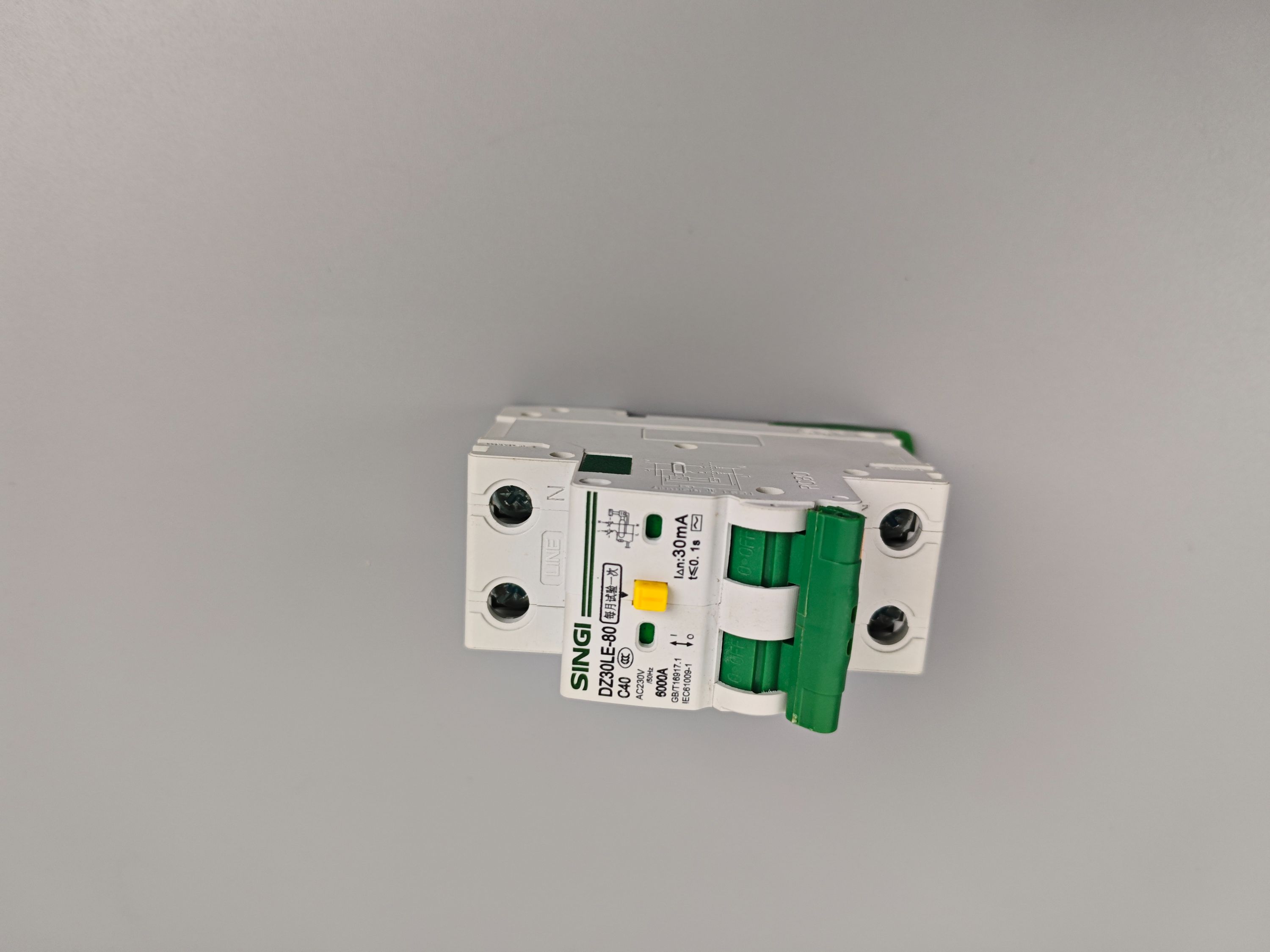
When sourcing RCBOs, it's crucial to partner with suppliers who offer more than just a product catalog. Look for providers with deep industry experience and a proven track record in delivering reliable electrical protection solutions. A truly quality supplier will have robust testing protocols in place, ensuring each unit meets stringent safety standards like IEC 61009-1, and can provide detailed documentation to back up their claims. Don't just settle for off-the-shelf options; the best suppliers often offer customization to fit specific project requirements, whether it's adjusting trip curves or integrating with smart building systems.
Beyond the product itself, evaluate the supplier's support and logistics capabilities. A dependable RCBO supplier should have a responsive technical team ready to assist with installation queries or troubleshooting, reducing downtime on-site. Check their lead times and inventory management—consistent availability and timely delivery can make or break a project timeline. It's also wise to consider their after-sales service, including warranty terms and replacement policies, which reflect long-term commitment to customer satisfaction.
Finally, assess the supplier's reputation and industry standing. Look for certifications from recognized bodies, which signal adherence to quality and safety norms. Customer reviews and case studies can offer real-world insights into performance and reliability. By prioritizing these aspects, you'll not only secure high-quality RCBOs but also build a partnership that enhances project efficiency and safety over time.
How to Choose the Right RCBO for Residential Safety
Selecting the right Residual Current Circuit Breaker with Overcurrent (RCBO) for your home isn't just about ticking boxes on a spec sheet—it's about tailoring protection to your specific electrical landscape. Start by assessing your household's layout: older homes with mixed wiring might need a different sensitivity setting than new builds with modern circuits. Consider daily usage patterns too; kitchens and bathrooms with high moisture levels often benefit from lower trip thresholds to prevent shocks, while garages with power tools might require robust overcurrent protection. Don't just go for the cheapest option; investing in a model that matches your home's quirks can mean the difference between a minor nuisance and a serious hazard.
Beyond basic specs, delve into features that enhance safety without complicating use. Look for RCBOs with clear visual indicators for fault types—like whether it tripped from an earth leak or overload—so you can troubleshoot quickly after an incident. Some advanced models offer time-delay functions for circuits with motors or appliances that cause brief surges, reducing nuisance trips without sacrificing safety. Also, check compatibility with your existing consumer unit; a mismatch might lead to poor performance or even void warranties. By focusing on these practical aspects, you ensure the device works seamlessly in the background, keeping your family safe without constant fiddling.
Finally, consider long-term reliability and user-friendliness. Opt for brands known for durability and easy testing, such as those with a simple push-button test feature you can use monthly to verify functionality. Avoid overly technical jargon in product descriptions; instead, seek out user reviews or professional advice to gauge real-world performance in homes similar to yours. Remember, the best RCBO isn't necessarily the most expensive—it's the one that balances sensitivity, ease of maintenance, and fit for your residence's unique electrical demands, providing peace of mind for years to come.
Key Benefits of Selecting a Trusted RCBO Provider
When it comes to electrical protection, picking an RCBO provider you can count on isn't just a box-ticking exercise—it's a game-changer for safety and efficiency. A trusted partner brings deep expertise in both micro-level circuit design and macro system integration, ensuring that every device fits seamlessly into your building's electrical infrastructure. This means fewer headaches during installation, reduced risk of compatibility issues, and a setup that works reliably from day one.
Beyond the basics, a reliable provider often offers tailored solutions that adapt to your specific needs, whether it's for a residential project or a large industrial site. They stay ahead of industry standards and regulations, so you're not just compliant but future-proofed against evolving safety codes. This proactive approach can save you from costly retrofits down the line and give you peace of mind knowing your investment is protected over the long haul.
Moreover, building a relationship with a trusted RCBO provider opens doors to ongoing support and quick troubleshooting. In the event of an issue, having a go-to expert means faster resolutions and minimal downtime, keeping your operations smooth and safe. It's this level of dedication that transforms a simple purchase into a strategic partnership, enhancing overall project success and operational resilience.
Expert Tips for Installing RCBOs in Commercial Buildings
When installing RCBOs (Residual Current Circuit Breakers with Overcurrent protection) in commercial settings, it's crucial to start with a thorough assessment of the electrical system's layout and load requirements. Unlike residential installations, commercial buildings often have complex circuits with high-power equipment, so identifying potential fault currents and ensuring proper circuit segregation is key. This initial planning phase helps prevent overloading and ensures each RCBO is appropriately rated for its specific application, such as lighting, HVAC systems, or machinery, reducing downtime and safety risks.
A common pitfall to avoid is neglecting to test each RCBO after installation, which can lead to undetected malfunctions. Always conduct rigorous testing using a dedicated RCBO tester to verify trip times and sensitivity, especially in environments with fluctuating loads or moisture. Additionally, label each RCBO clearly with its circuit details and last test date for easy maintenance access—this small step can save hours during inspections or emergencies, keeping operations smooth and compliant with regulations.
For optimal performance, consider integrating smart monitoring systems that allow remote tracking of RCBO status and fault alerts in real-time. This approach not only enhances safety by providing immediate notifications but also helps in predictive maintenance, reducing the likelihood of unexpected shutdowns. Always follow manufacturer guidelines and local codes strictly, as these are tailored to commercial demands, ensuring a robust installation that stands up to rigorous use over time.
Ensuring Compliance and Peace of Mind with Reliable RCBOs
When it comes to electrical safety in homes and businesses, reliable RCBOs (Residual Current Circuit Breakers with Overcurrent protection) are indispensable. These devices not only detect fault currents that could lead to electric shock but also protect circuits from overloads and short circuits, ensuring they meet stringent safety standards. By integrating these safeguards, RCBOs help maintain compliance with local and international regulations, reducing the risk of electrical hazards and potential legal issues. Many users find that this level of protection brings a sense of assurance, knowing that their electrical systems are closely monitored and secure against common faults.
What sets high-quality RCBOs apart is their ability to provide continuous protection without frequent faults or false trips. Advanced models feature precise trip mechanisms and robust construction, which enhance reliability in various environments, from residential settings to industrial applications. This reliability translates into fewer disruptions and lower maintenance costs, allowing property owners to focus on daily operations without worrying about electrical failures. Moreover, by choosing RCBOs from reputable manufacturers, you can trust that they undergo rigorous testing to ensure consistent performance, further contributing to peace of mind and long-term safety.
In addition to safety and compliance, reliable RCBOs offer practical benefits that support modern electrical demands. They can be easily integrated into existing electrical panels, providing a seamless upgrade that enhances overall system resilience. As energy usage patterns evolve and new appliances are introduced, having dependable RCBOs in place ensures that your electrical infrastructure can adapt safely. Ultimately, investing in these devices is not just about meeting standards—it's about creating a secure, efficient environment where risks are minimized, and occupants can feel confident in their surroundings.
FAQ
An RCBO, or Residual Current Circuit Breaker with Overcurrent protection, combines earth leakage protection with circuit overload detection. It's essential because it protects against electric shocks from stray currents and prevents fires caused by overloads, offering a dual-layer safety net that's become standard in new installations for both homes and businesses.
Look beyond basic specs—consider factors like trip sensitivity (e.g., 10mA for wet areas, 30mA for general use), compatibility with your existing electrical panel, and certifications from bodies like UL or IEC. Reading user reviews and consulting with a licensed electrician can help pinpoint a reliable brand that suits your specific setup without overpaying.
Yes, but it often requires an upgrade to your electrical system. Challenges include fitting RCBOs into older panels that lack space or compatibility, ensuring proper wiring for the neutral connection, and meeting modern safety codes. A professional assessment is crucial to avoid issues like nuisance tripping or inadequate protection.
Top-tier companies offer features like higher durability (tested for tens of thousands of operations), better response times to faults (often under 25 milliseconds), and advanced diagnostics like trip indicators. They also provide robust customer support and warranties, whereas budget options might cut corners on materials, leading to shorter lifespans or inconsistent performance.
Test them monthly by pressing the 'test' button on the device, which simulates a fault. Have a professional inspect and possibly recalibrate them every 2-3 years, or as recommended by the manufacturer. This prevents degradation over time and ensures they'll function correctly in an emergency.
Yes, some are built for harsh industrial conditions with higher immunity to dust and moisture, while others feature filtered protection to guard against voltage surges that can damage home electronics like computers or appliances. Always check the product specs to match the environment.
First, try unplugging all devices on that circuit and resetting it. If it holds, one appliance might be faulty—replug items one by one to find the culprit. If it still trips, it could indicate wiring issues, moisture ingress, or a defective RCBO, requiring an electrician's inspection to diagnose and fix the root cause safely.
Conclusion
Finding the ideal RCBO company for both home and business applications is crucial for ensuring electrical safety and reliability. This involves understanding what an RCBO is—a device that combines residual current protection with circuit breaker functions—and why it's essential for any property to prevent electrical shocks and fires by detecting faults. Key features to prioritize in a quality supplier include robust build, compliance with safety standards, and responsive customer support. For residential settings, selecting the right RCBO means considering factors like current rating and sensitivity to safeguard families, while in commercial buildings, expert installation tips emphasize proper sizing and integration with existing systems to avoid downtime.
Choosing a trusted RCBO provider offers significant benefits, such as enhanced peace of mind through reliable performance and long-term cost savings from reduced maintenance. Ensuring compliance with regulations is another vital aspect, as reliable RCBOs help meet legal requirements and minimize risks. By integrating these elements—from initial selection to professional installation—you can discover a company that not only meets technical needs but also delivers superior service, making your property safer and more efficient overall.
Contact Us
Contact Person: Jack
Email: [email protected]
Tel/WhatsApp: (+86) 13757759651
Website: https://www.singi.com