

Custom Filter Press: Designing Efficient Solutions for Industrial Filtration Needs
2026-08-06
Filtration challenges in industrial settings demand more than off-the-shelf solutions—they require precision engineering tailored to unique processes. A custom Sinou filter press bridges this gap, transforming complex separation tasks into streamlined, high-performance operations. Whether you're dealing with sludge dewatering, chemical separation, or specialty mineral processing, the right design can slash downtime, reduce operational costs, and improve output quality. In this post, we unpack how bespoke filtration systems are redefining efficiency and what to consider when specifying your own.
Tailored Filtration Systems for Unique Industrial Challenges
Every industrial operation carries its own set of filtration demands, often defying off-the-shelf solutions. From corrosive chemical processing to high-temperature manufacturing, standard filters can quickly degrade or fail, leading to costly downtime. Tailored filtration systems address these pain points by integrating materials and configurations specifically designed for the environment they will inhabit. Instead of forcing a generic product into a complex workflow, custom engineering ensures that the filter media, housing, and seals all work in harmony with the process, extending equipment life and maintaining consistent output.
The design process starts with a deep dive into the specifics: flow rates, particle size distribution, chemical compatibility, and temperature extremes. Engineers then select or develop the precise filter media—whether it's stainless steel mesh for high-heat applications, polypropylene for aggressive chemicals, or a multi-layer depth media for critical particle retention. Housings are constructed to withstand pressure and thermal cycling, while sealing technologies prevent bypass. This level of customization doesn't just solve immediate filtration challenges; it anticipates future shifts in production, offering adaptability that keeps operations running smoothly as demands evolve.
Beyond performance, tailored systems bring operational simplicity. Maintenance schedules can be aligned with actual process timelines, reducing unplanned shutdowns. With a filter built exactly for the task, replacement intervals often extend, and waste is minimized. In industries where purity, safety, and efficiency are paramount, investing in a system designed around your unique challenge isn't a luxury—it's a strategic advantage that pays dividends in reliability and cost control.
Maximizing Throughput with Advanced Press Technology
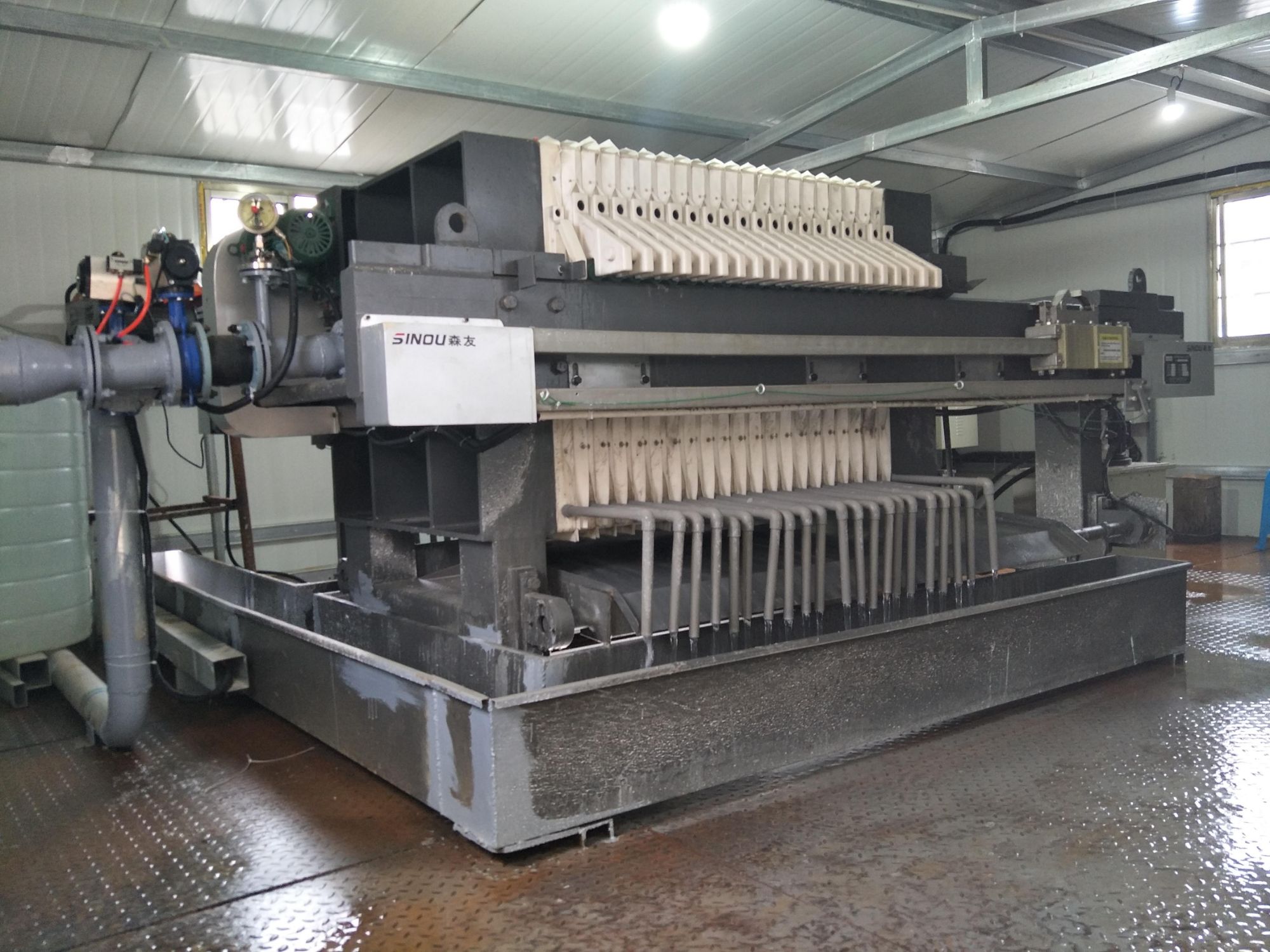
Modern press lines are no longer just about raw force—they integrate real-time monitoring and adaptive control to push throughput while maintaining exacting tolerances. By leveraging servo-driven systems that adjust stroke profiles on the fly, manufacturers can dramatically shorten cycle times for complex part geometries without sacrificing part quality. This fine-tuned orchestration means less dwell time, smoother transitions, and the ability to run diverse materials back-to-back without manual recalibration.
Tooling and changeover have traditionally been the biggest bottlenecks, but advanced quick-release systems and automated die carts now slash setup from hours to minutes. When combined with press-side data analytics that predict wear patterns and alert operators before a failure occurs, unplanned downtime becomes rare. The result is a highly flexible line that can seamlessly switch between short-run and high-volume jobs, turning over more parts per shift with fewer interruptions.
The real step change comes from integrating forming simulation directly into the press control architecture. Instead of relying on trial-and-error adjustments, the system self-corrects for springback, thermal expansion, and material variations in-process. This closes the loop between design intent and production reality, eliminating the guesswork that typically slows down ramp-ups and first-off approvals. With less scrap and rework, the floor keeps moving, and overall equipment effectiveness climbs well above conventional benchmarks.
Seamless Integration into Existing Production Lines
Bringing new equipment onto the factory floor often feels like a major disruption, but our systems are designed to slide right into your current setup without missing a beat. They communicate using the same protocols your machinery already understands, so there's no need for costly retrofits or endless hours of reprogramming. We see it as a partnership—our goal is to complement what you've already built, not force you to start from scratch.
One of the biggest headaches during integration is downtime, and we tackle that head-on with a plug-and-play approach that slashes installation from weeks to days. Our engineers work directly with your team from day one, mapping out every connection point to sidestep the usual trial and error. It’s not just about speed, though—by keeping the existing flow intact, we help you avoid the production dips that competitors often accept as inevitable.
What really sets this apart is the adaptability baked into the hardware itself. Instead of forcing a rigid standard, the system automatically adjusts to the quirks of your line, whether it's decade-old conveyors or a patchwork of control software. You’ll notice the difference in how quickly things settle into a smooth rhythm, with fewer alarm bells and more consistent output from the very first run.
Reducing Operational Costs Through Energy-Efficient Designs
Shifting to energy-efficient designs isn't just about ticking a green box—it's a direct line to slashing everyday running expenses. By rethinking insulation, window placement, and even the color of roofing materials, buildings naturally stay cooler in summer and warmer in winter. This means heating and cooling systems don’t have to work overtime, and that quiet reduction in demand shows up fast as lower utility bills month after month.
Lighting, often a silent budget drain, gets a practical overhaul with smart layouts that maximize daylight and pair it with motion-sensing LEDs. These adjustments trim electricity use in hallways, parking lots, and workspaces without anyone lifting a finger. Over the span of a year, the savings accumulate significantly, freeing up cash for other priorities without sacrificing comfort or visibility.
Beyond the obvious tweaks, there's real power in upgrading to high-efficiency equipment like variable-speed pumps or demand-controlled ventilation. These systems adapt in real time rather than running at full throttle around the clock. The result? A leaner, more predictable cost structure that doesn't fluctuate wildly with energy price hikes—and equipment that lasts longer because it’s not being pushed to the limit every day.
Precision Engineering for High-Purity Output Requirements
Achieving exceptional purity levels in output streams demands more than just careful filtration—it requires an integrated precision engineering mindset from the very first step. Every component, from pumps and valves to seals and linings, must be assessed for its material compatibility and potential to introduce even microscopic contaminants. Our approach pairs computational fluid dynamics with rigorous stress analysis to model how particles behave under varied pressure and temperature conditions, identifying risk zones where leaching, corrosion, or mechanical shedding could compromise output integrity. By refining chamber geometries and surface finishes down to sub-micron tolerances, we create pathways that inherently resist buildup and prevent cross-contamination, ensuring that high-purity specifications are met not by chance, but by design.
Standard manufacturing practices often fall short when confronted with the strict no-compromise criteria of ultrapure applications, whether in pharmaceutical processing, semiconductor fabrication, or specialty chemical production. We close this gap through custom tribological engineering: selecting and treating surfaces to minimize friction and wear, virtually eliminating particulate generation at the source. Instead of relying on downstream cleanup that adds complexity and risk, our systems embed self-purging geometries and non-shedding contact pairs that maintain cleanliness over millions of cycles. This proactive engineering philosophy extends to assembly protocols carried out in ISO-class cleanrooms, where human oversight is augmented with real-time particle monitoring to flag deviations before they affect the final output.
Consistency across batches remains the ultimate benchmark of precision engineering for purity. Our closed-loop process control integrates online sensors that measure turbidity, conductivity, and chemical composition at multiple sampling points, feeding data back into adaptive algorithms that fine-tune operational parameters on the fly. Rather than static calibration, this dynamic adjustment accounts for shifts in raw materials and ambient conditions, preserving output quality without operator intervention. The result is a harmonized production flow where high-purity requirements are continuously validated, dramatically reducing the frequency of rework or rejection. In an industry where purity defines value, such engineered resilience provides a decisive operational advantage.
Scalable Solutions from Pilot Plants to Full-Scale Operations
Transitioning from a pilot plant to full-scale production is rarely a straightforward path. It demands a nuanced understanding of how processes behave under different constraints. Our approach centers on identifying critical scale-up parameters early, using a combination of computational modeling and iterative bench tests. By mapping the way mixing dynamics, thermal profiles, and reaction kinetics evolve, we minimize the typical surprises that derail commercialization timelines.
Instead of a one-size-fits-all formula, we tailor the scale-up strategy to the unique chemistry and equipment footprint. Whether it’s adapting a batch reactor to continuous flow or fine-tuning crystallization conditions, the focus is on preserving product quality while achieving target throughput. This often involves staged investments—starting with modular units that validate assumptions before committing to full infrastructure, thereby controlling both financial and technical risk.
But scalability isn’t just about bigger vessels; it’s also about smarter integration with supply chains and control systems. We work closely with operators to ensure that what works at the benchtop doesn’t become a bottleneck in production. The result is a smoother handoff from R&D to manufacturing, where the pilot plant lays a foundation that’s truly representative of commercial reality.
FAQ
Custom filter presses are particularly valuable in sectors like mining, chemical processing, pharmaceuticals, and wastewater treatment. These industries often deal with unique slurry characteristics or stringent purity standards that off-the-shelf equipment can't satisfy. Food and beverage production also benefits when handling viscous or delicate materials that require gentle processing.
Unlike standard presses with fixed configurations, a custom unit matches the exact flow rate, pressure, and cake thickness needed. This precision minimizes cycle times and maximizes solids capture. Tailored plate materials and feed systems also cut energy use and reduce downtime by preventing common issues like blinding or uneven cake formation.
Understanding the slurry's particle size distribution, chemical aggressiveness, and desired final moisture content is critical. The process must balance filtration area, operating pressure, and cycle frequency. Material selection for plates and cloths becomes paramount when dealing with corrosive or abrasive streams, as is integrating any required pre-treatment stages.
Plate geometry directly influences liquid drainage and cake washing efficiency. Recessed chambers with appropriate depth and surface texture promote even distribution and easy discharge. Advanced profiles can create turbulence that prevents settling inside the press while still allowing effective compression, leading to drier cakes and cleaner filtrate.
Automation ranges from simple timer-controlled cycles to full PLC networks that adjust parameters in real time. Sensors monitoring pressure and clarity can trigger automatic membrane squeezing or cloth washing. This not only reduces operator intervention but also ensures consistent output quality, especially in 24/7 operations where manual oversight isn't feasible.
Regular inspection of plate seals and woven cloths prevents leaks that waste product and degrade performance. Hydraulic systems need routine checks for contamination and wear. A preventive schedule that includes timely cloth replacement based on throughput rather than failure avoids unplanned shutdowns, while monitoring cake discharge smoothness can signal misalignment early.
New developments include cloths with embedded sensors for real-time wear tracking and mixed-material plates that offer better chemical resistance at lower weight. Some systems now employ adaptive feed pumps that vary flow based on in-cycle resistance, boosting throughput without sacrificing cake dryness. Electro-osmosis assistance is also emerging for exceptionally hard-to-dewater sludges.
Conclusion
In the realm of industrial filtration, off-the-shelf solutions often fall short when confronted with unique process challenges. Custom filter presses step into this gap, offering tailored designs that align precisely with specific slurry characteristics, required throughput, and purity targets. By evaluating factors such as particle size distribution, chemical compatibility, and cake moisture demands from the outset, engineers craft presses with optimized plate configurations, membrane squeezing options, and cloth materials. This bespoke approach not only tackles difficult separations but also lays the foundation for seamless integration into existing production lines—whether retrofitting into a cramped plant layout or synchronizing with upstream and downstream automation. The result is a filtration system that works in harmony with the plant's rhythm, eliminating bottlenecks and avoiding costly modifications.
Beyond the initial fit, these presses are engineered for long-term value. Advanced press technology maximizes throughput via rapid cycle times, high-pressure capabilities, and intelligent control systems that fine-tune filtration and washing phases. Energy-efficient designs, such as regenerative hydraulic circuits and optimized feed pump controls, directly reduce operational costs without compromising performance. For industries demanding high-purity outputs—pharmaceuticals, fine chemicals, or electronics—precision engineering ensures minimal residual moisture and washable closed-circuit arrangements to prevent contamination. Moreover, the scalability of custom filter presses provides a clear path from pilot-scale trials to full production, using data from smaller units to accurately scale up plate area and automation levels. This comprehensive design philosophy ensures that each installation not only meets today’s rigorous demands but also adapts to tomorrow’s evolving production needs, delivering sustained efficiency and reliability.
Contact Us
Contact Person: HaiYan
Email: [email protected]
Tel/WhatsApp: +86 18957325588
Website: https://www.senyoubeton.com/