

Custom Batch Off Cooler: Tailored Cooling Solutions for Industrial Processes
2026-10-19
Standard batch off coolers assume a standard batch. But when your rubber compound runs hotter, sticks differently, or needs a specific cooling curve before milling, a one-size-fits-all unit usually creates more problems than it solves. SFC takes a different route: custom batch off coolers built around the actual temperatures, throughput, and layout of your process. In this post, we’ll look at what tailored cooling really changes—and why the right design pays for itself faster than you might expect.
When the Catalog Cooler Can't Keep Up
You spec a standard catalog cooler for the load, wire it in, and everything looks fine on paper. Then summer hits, the room fills with equipment, or someone adds a few more racks in the corner. The air coming off that cooler still reads the right temperature, but the hot spots won't go away. Processors throttle, breakers trip for no obvious reason, and you spend afternoons chasing temperature readings that drift upward no matter how low you set the thermostat.
The real problem is usually not the unit itself, but the assumptions baked into catalog sizing charts. They assume a clean, open space with ideal airflow, no recirculation, and a constant load. Real rooms have cable trays blocking return paths, dead zones behind pillars, and people propping doors open. When the catalog cooler can't keep up, it's rarely about adding more cooling capacity right away. You first need to map the actual airflow, find where the warm air is pooling, and fix the distribution. Often a few blanking panels, a duct extension, or relocating a sensor does more than buying a bigger unit.
Airflow That Matches the Batch, Not the Brochure
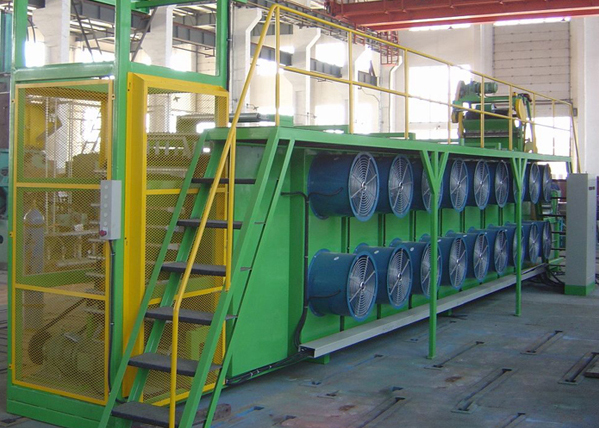
The airflow spec printed in a brochure rarely survives contact with a real batch. Load a dryer with slightly denser product, a roaster with a different screen size, or a coating pan with an extra five kilos, and the clean fan curve suddenly looks like wishful thinking. Instead of trusting a fixed RPM or a designed static pressure, the system reads the actual resistance across the product bed and adjusts the fan to move just enough air through the load—not around it.
That means a differential pressure sensor across the batch, coupled with a variable-speed drive, becomes the real controller. If the bed packs tighter, the fan speed or damper position shifts to hold the target pressure drop. If the load sits looser, it backs off rather than blasting fines out of the exhaust. This kind of trim happens continuously, not just at the start of a cycle, so the airflow follows the batch as it dries, shrinks, or changes porosity.
The result is less about matching a number in the manual and more about giving each batch the air it actually needs. That shows up as more even moisture removal, fewer scorched edges, and a process that stays stable across different raw materials. The brochure may say one thing, but the batch always gets the final word.
Cutting Cycle Times Without Sacrificing Consistency
Trimming cycle times often feels like a trade-off with part consistency, but that assumption usually comes from looking in the wrong places. The real leverage sits in setup routines and toolpath logic, not in pushing feeds and speeds until something breaks. By standardizing how workholding is loaded and reducing non-cutting moves, shops routinely shave minutes off each part while keeping dimensions within a few tenths.
A practical starting point is to audit the current cycle for dead time—tool changes, air cuts, waiting on coolant to reach pressure, or redundant probing. Once those pockets are visible, small changes like combining tools, pre-staging offsets, or switching to dynamic roughing strategies can compress the timeline without altering the finish pass. Consistency actually improves because the process becomes more repeatable, not less.
The key is to treat cycle time as a symptom of process design rather than a knob to turn blindly. When operators stop compensating for rushed cuts and instead follow a stable, optimized routine, scrap rates drop and throughput climbs together. That is the sweet spot: faster cycles that still produce the same part every single time.
What Custom Really Changes on the Cooling Line
Most off-the-shelf coolers force a trade-off: accept the radiator size, pump noise, and tube routing the manufacturer decided for you. Going custom strips those constraints away. You can choose a thicker radiator that fits behind a front panel, run soft tubing around a bulky VRM heatsink, or install a second pump to keep flow strong through multiple blocks. The loop is built for your exact case and components, so you stop paying for cooling capacity you don't need and stop losing performance where you do.
Beyond the obvious thermal headroom, a custom loop redefines how the machine behaves under sustained load. Flow rate, coolant volume, and component order become tuneable variables. Some builders push the GPU before the CPU to grab the coldest coolant for the hotter chip, while others use quick-disconnect fittings to drain the loop in minutes. Those small changes add up: lower fan speeds at idle, fewer temperature spikes during renders, and a system that stays quiet without throttling.
Small Design Tweaks That Prevent Big Downtime
Most downtime doesn’t start with a loud crash. It creeps in through a dependency that’s slightly slower than usual or a background job that quietly piles up. A small tweak like adding a hard timeout to every external API call, then serving a cached or minimal fallback when that timeout trips, can stop a sluggish service from dragging down the entire request path. It sounds obvious, but plenty of teams leave those defaults untouched until the first 4 a.m. page.
Another one that pays off quickly is decoupling deployments from risky features. Instead of shipping a change to five services at once and hoping nothing breaks, wrap the new behavior in a simple feature flag you can toggle without a full redeploy. When something does go sideways, flipping that switch takes seconds and keeps the user-facing impact small. It turns a potential incident into a minor blip.
Finally, take a hard look at the states you hope nobody ever sees. A maintenance page that says what’s happening and when to check back cuts support tickets dramatically. Pair that with lightweight health checks on each node so traffic stops being routed to a sick instance before customers notice. These aren’t architectural overhauls—just small, deliberate changes that keep a bad five minutes from becoming a down day.
From Hot Off the Mill to Ready for the Next Step
That strip of steel straight off the rolling line still carries the memory of the heat — soft, glowing, too eager to bend. Workers move around it with a kind of practiced calm, knowing this phase never lasts. The surface is raw, not yet settled, and every passing minute starts to change the way it will hold a shape later on.
Cooling happens in stages, not by accident. Air first, then a controlled bath, then a slow rest on the rack. Some sections get a quick pass through the straightener because they’ve already forgotten the flatness they were born with. The goal isn’t to make it perfect yet — just stable enough to survive what comes after.
By the time it’s stacked and tagged, the steel has stopped fighting. It’s not shippable, not finished, but it’s ready for the next pair of hands. A machinist will cut it, a welder will join it, a press will fold it. None of that works unless the metal first learned to sit still.
FAQ
It receives hot rubber strips or sheets right after mixing or extrusion, spreads them into a single layer on a conveyor, and uses forced air or water-cooled decks to bring the temperature down evenly before stacking or downstream handling. Customization here means the cooling path, airflow pattern, and belt material are matched to your compound's stickiness, thickness, and throughput.
Standard units often rely on fixed fan banks and one belt speed, which can create hot spots for thicker or stickier batches. A custom design lets you adjust deck length, add multiple cooling zones, or use oscillating conveyors so every strip gets the same dwell time. That reduces the risk of scorch or re-agglomeration after cooling.
The critical inputs are batch weight per hour, strip dimensions, compound tackiness, and the target discharge temperature. For example, high-oil EPDM may need a non-stick coated belt and extra air knives, while a stiff NR compound might only need a shorter single-pass deck with higher airflow.
Yes, many designs include adjustable dip tanks, anti-stick applicators, and removable dividers so operators can switch from strip cooling to sheet cooling without modifying the conveyor frame. The key is specifying the range of product widths and thicknesses early, because that affects the spacing of the cooling fans and the type of belt tracking.
A well-designed custom cooler usually has fewer catch points, easy-access side panels, and segmented belt sections that can be replaced individually. That means less downtime for cleaning when switching between compounds, and wear parts like bearings and fan motors are sized for your actual load rather than a generic rating.
It can be designed to receive batches directly from a dump extruder or two-roll mill and then feed a weigh scale, metal detector, or stacking robot. Customization includes the discharge height, speed synchronization with upstream equipment, and safety interlocks, so the cooler becomes part of a continuous flow instead of a standalone island.
Often yes if you run multiple compounds or face space constraints. Instead of paying for unused cooling capacity or trying to fit a standard footprint, you can specify a compact L-shaped or mezzanine-mounted layout that uses the same fans and drives but fits your existing bay. The result is lower energy use per ton and fewer rejected batches from poor cooling.
Conclusion
When a standard catalog batch off cooler starts lagging behind production, the problem rarely shows up as a single failure. It appears as uneven surface temperatures, longer dwell times, or inconsistent moisture removal from batch to batch. The real mismatch is airflow: a generic cooler pushes air according to a fixed curve from the brochure, not according to the actual load, shape, or density of the material coming off the mill. Custom batch off coolers solve this by designing the fan arrangement, plenum depth, and air distribution to match the specific batch profile. That means dense rubber compounds or thick extruded profiles get the directed airflow they need, while lighter batches avoid being over-cooled or blown around. The result is a cooling line that behaves predictably even when the product mix changes from one run to the next.
Cutting cycle times without sacrificing consistency is where custom engineering pays for itself. Instead of waiting for the slowest part of the batch to cool by brute force, a tailored cooler uses variable speed drives, zoned dampers, and adjustable deck heights to pull heat out evenly. Small design tweaks—like adding a vibratory feed chute, widening the discharge throat, or changing the belt material—prevent the kind of jams and uneven build-up that cause unplanned downtime. From hot off the mill to ready for the next processing step, a custom batch off cooler shortens the non-productive window between operations. The equipment doesn't just cool faster; it cools in a way that keeps the entire downstream line moving, batch after batch, without the operator constantly adjusting setpoints to chase a moving target.
Contact Us
Contact Person: Chen Zhengwei
Email: [email protected]
Tel/WhatsApp: +86-13963975727
Website: https://www.sfcrubbermachine.com