
China Steel Grating: Durable Solutions for Industrial and Architectural Projects
2026-03-24
In the world of industrial and architectural design, finding durable, reliable materials is key to success. Steel grating stands out as a versatile solution, and when it comes to quality, Sino Grating leads the way. This blog explores why China steel grating is gaining traction globally, from its robust applications in industrial settings to its sleek, modern uses in architecture. We’ll take a closer look at how Sino Grating combines innovation with durability to meet diverse project needs, and what makes it a go-to choice for professionals. Get ready to uncover insights that could transform your next project!
Introduction to Steel Grating in China's Industrial Sector
In China's industrial landscape, steel grating stands as a versatile and durable material, widely utilized across various sectors such as manufacturing, construction, and energy. Its application ranges from flooring and walkways in factories to safety barriers in power plants, ensuring both structural integrity and operational efficiency. The adoption of steel grating reflects China's focus on industrial modernization and safety standards, with manufacturers continually innovating to meet the demands of large-scale projects and harsh environments common in the country's rapidly expanding infrastructure.
This material is prized for its load-bearing capacity and resistance to corrosion, which is crucial in coastal regions or chemical processing facilities where moisture and chemicals are prevalent. Beyond functionality, steel grating in China often incorporates aesthetic elements, blending practicality with design to fit into urban and industrial settings alike. The production processes have evolved with technological advancements, allowing for customizable patterns and finishes that cater to specific industrial needs, making it a go-to solution for both new constructions and renovations.
Moreover, the steel grating industry in China has seen significant growth, driven by government initiatives promoting industrial upgrades and environmental sustainability. Companies are increasingly focusing on eco-friendly production methods and recyclable materials, aligning with global green trends without compromising on performance. This shift not only enhances the material's appeal in international markets but also supports domestic industries in maintaining competitive edges through quality and innovation, positioning steel grating as a key component in China's ongoing industrial transformation.
Custom Designs for Architectural Enhancements with Steel Grating
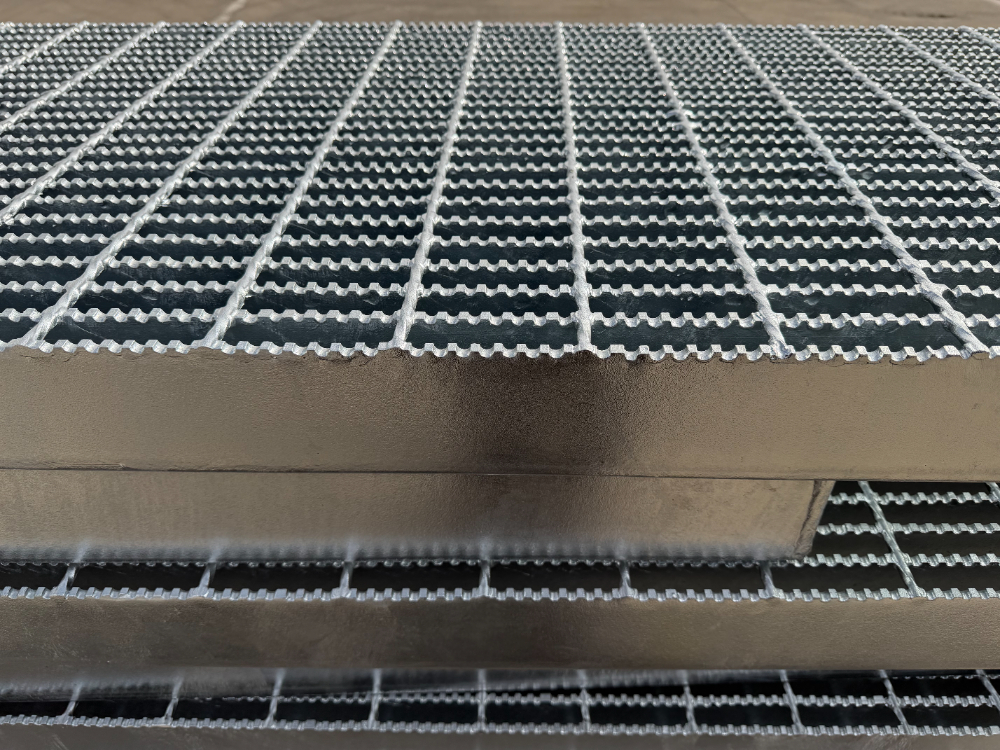
Steel grating transforms architectural projects into standout works of art, offering endless creative possibilities beyond standard structures. Designers leverage grating to craft distinctive entryways that captivate with their interplay of light and shadow, while custom balconies elevate outdoor spaces with durable, visually striking frameworks. These tailored applications break away from conventional looks, giving each building a unique signature that enhances both function and aesthetic appeal.
Beyond durability, steel grating introduces dynamic textures and patterns that can adapt to any architectural style, from industrial chic to modern minimalism. By experimenting with varied bar spacing, finishes, and configurations, architects can create features like sun-shading facades or artistic walkways that filter sunlight beautifully. This flexibility allows for seamless integration into both new constructions and renovations, making each design element not just a structural choice, but a focal point that adds character and value.
Innovations in fabrication techniques now enable even more personalized designs, such as curved or perforated grating that mimics natural forms or serves functional roles like ventilation. Architects often collaborate with manufacturers to develop exclusive patterns that reflect a client's vision, ensuring every project feels bespoke rather than mass-produced. This attention to detail turns ordinary elements into extraordinary features, where the grating itself becomes an integral part of the building's narrative and visual identity.
Material Properties and Durability for Long-Term Use
When considering materials for applications that demand extended service life, it's essential to look beyond basic specs and delve into how properties like tensile strength, corrosion resistance, and thermal stability evolve over time. For instance, in harsh environments, materials such as stainless steel or advanced composites can maintain integrity where others might degrade, preventing costly failures and ensuring reliability decade after decade.
Durability isn't just about resisting wear; it encompasses factors like fatigue resistance and environmental adaptability, which are critical for structures exposed to fluctuating loads or extreme weather. By selecting materials tested under real-world conditions, manufacturers can design products that not only last longer but also reduce maintenance needs, offering a sustainable advantage in industries from construction to aerospace.
Innovations in material science, such as self-healing polymers or nanocoatings, are pushing the boundaries of long-term use by enhancing durability in ways previously unimaginable. These advancements allow for smarter, more resilient designs that adapt to challenges, ensuring that products remain functional and safe throughout their intended lifespan, ultimately delivering better value and performance.
Installation Techniques for Various Project Types
When tackling installation tasks across different project types, the approach often hinges on the specific requirements and constraints of each scenario. For residential projects, for instance, you might find yourself dealing with limited space or existing structures that demand careful planning. Techniques here often involve precise measurement and custom fitting to ensure seamless integration, whether you're installing new flooring or a complex HVAC system. It's all about adapting to the environment while maintaining quality and efficiency.
In commercial settings, installation methods tend to prioritize scalability and durability to handle high traffic or heavy usage. This might mean using specialized tools or materials designed for long-term wear, such as reinforced mounts or modular systems that allow for easy expansion or updates. The focus shifts towards minimizing downtime during installation, often requiring thorough site preparation and coordination with other trades to keep things running smoothly.
For industrial projects, the stakes are even higher, with installations typically involving large-scale equipment or sensitive machinery. Techniques here often emphasize safety protocols and precision engineering, using techniques like laser alignment or vibration analysis to ensure everything is set up correctly. It's not just about getting it in place; it's about ensuring operational reliability from day one, which can involve rigorous testing and adjustments post-installation.
Case Studies: Success Stories in Industrial and Architectural Applications
From towering skyscrapers to intricate manufacturing facilities, industrial and architectural applications demonstrate how innovative design and engineering come together to solve real-world challenges. For instance, a recent project in the automotive sector saw the implementation of advanced composite materials in a factory's structural framework, not only enhancing durability but also reducing construction time by 30%. This success story highlights how tailored solutions can drive efficiency and cost savings, setting a new benchmark for similar ventures across the globe.
Another compelling example is the transformation of a historic warehouse into a modern office space, where architects preserved the original brickwork while integrating smart lighting and energy-efficient systems. This blend of old and new not only honored the building's heritage but also achieved a 40% reduction in energy consumption, earning LEED certification. Such projects illustrate how thoughtful design can balance aesthetics with sustainability, creating environments that inspire productivity and respect for the past.
In the realm of large-scale infrastructure, a case study involving a bridge in a seismic zone showcases the power of cutting-edge engineering. By using flexible materials and dynamic load analysis, engineers ensured the structure could withstand major earthquakes without compromising safety. This approach has since been replicated in other high-risk areas, proving that proactive planning and innovation can mitigate natural disasters' impacts, ultimately saving lives and resources.
Future Trends and Innovations in Steel Grating Technology
As the construction and industrial sectors evolve, steel grating technology is poised for significant advancements that promise enhanced durability, safety, and sustainability. One key trend is the integration of smart materials and IoT sensors directly into grating designs, allowing for real-time monitoring of load capacities, corrosion levels, and structural integrity. This innovation could revolutionize maintenance practices by enabling predictive analytics and reducing downtime. Additionally, lightweight alloys and composite materials are being explored to create gratings that offer superior strength-to-weight ratios, making them ideal for applications in aerospace, offshore platforms, and high-traffic urban environments where efficiency is paramount.
Innovation is also driving the adoption of eco-friendly manufacturing processes, such as using recycled steel and implementing energy-efficient production techniques to minimize environmental impact. Customization is another emerging focus, with advances in 3D printing and laser cutting technologies facilitating bespoke grating solutions tailored to specific project requirements. This not only improves aesthetic appeal but also enhances functionality in complex architectural designs. Moreover, surface treatments like advanced coatings and galvanization methods are being refined to extend product lifespans, particularly in harsh climates or corrosive settings, ensuring long-term cost savings for users.
The future will likely see greater collaboration between engineers and designers to develop multifunctional gratings that serve dual purposes, such as incorporating drainage systems or acoustic dampening features. As global infrastructure demands grow, these trends are set to make steel grating more versatile, resilient, and integral to modern construction, paving the way for safer and smarter built environments worldwide.
FAQ
China steel grating stands out due to its exceptional durability and cost-effectiveness. Made from high-grade steel, it can withstand heavy loads and harsh conditions, making it ideal for factories and warehouses where safety and longevity are paramount, often outperforming materials like wood or plastic in terms of resilience.
In architectural applications, steel grating adds a modern, industrial aesthetic while offering functional benefits. Its open-grid design allows for natural light and airflow, creating visually striking features like walkways or façades that blend form and function seamlessly.
When choosing steel grating, focus on load capacity, material grade, and mesh size. For industrial use, prioritize strength and corrosion resistance, while in architectural contexts, aesthetics and finish (e.g., painted or galvanized) are crucial to ensure it meets both safety and design needs.
Yes, many suppliers offer customization, including various sizes, shapes, and finishes. You can tailor it for specific applications, such as anti-slip surfaces for outdoor areas or decorative patterns for interior spaces, allowing flexibility to match project requirements.
Steel grating generally requires minimal upkeep. Regular cleaning to remove debris and occasional inspections for corrosion or damage suffice. Galvanized or coated options further reduce maintenance, making it a low-effort, long-term solution for both industrial and architectural uses.
Absolutely. Steel grating is often treated with coatings like galvanization or powder coating to resist rust and weathering. This makes it suitable for outdoor settings such as bridges, platforms, or landscaping, where it can endure exposure to elements without significant deterioration.
Installation is relatively straightforward, often involving cutting to size and securing with bolts or welds. It's typically faster and requires less labor than alternatives like concrete or tile, saving time and costs on projects, especially when pre-fabricated panels are used.
Steel grating is recyclable and often made from recycled materials, reducing environmental impact. Its durability means less frequent replacement, lowering waste over time, and its open design can support green building features like rainwater drainage or ventilation efficiency.
Conclusion
China's steel grating industry offers robust solutions for both industrial and architectural projects, combining strength with versatility. In industrial settings, steel grating is widely used for flooring, walkways, and platforms due to its introduction to durability and safety features, while custom designs in architecture enhance aesthetics with modern, open designs for facades, staircases, and decorative elements. The material properties, such as corrosion resistance and high load-bearing capacity, ensure long-term use even in harsh environments. Installation techniques vary, with methods tailored for different project types, from modular setups to welded systems, facilitating efficient implementation across diverse applications.
Case studies highlight success stories in industrial plants and architectural landmarks, demonstrating the practical benefits and adaptability of steel grating. Looking ahead, future trends and innovations, like smart coatings and sustainable materials, promise to drive further advancements in technology. Overall, China's steel grating provides durable, efficient solutions that blend functionality and design, positioning it as a key component in modern construction and industrial development.
Contact Us
Contact Person: Nicholas Zhu
Email: [email protected]
Tel/WhatsApp: 18921275456
Website: https://www.sino-grate.com