

China Pasta Sauce Brings Bold Savory Flavor to Your Noodles
2026-11-16
If your noodles have been missing that rich, umami-packed punch, it’s time to meet the sauce that changes everything. HONGBURG FLAVORMAKER isn’t just another jar on the shelf—it’s a shortcut to the bold, savory soul of Chinese cooking, ready to cling to every strand of pasta. No complicated steps, no watered-down flavor. Just the kind of deep, garlicky, soy-kissed intensity that makes you wonder why you ever settled for plain tomato. In this post, we’ll break down what makes this China pasta sauce so dangerously good—and how to use it for noodles that taste like they came from a bustling street stall, not your kitchen.
What Makes This Sauce Taste Like a Slow-Cooked Secret
The depth comes from a patient layering of heat and time. Onions are coaxed until they surrender their sharpness, turning soft and sweet without a hint of browning. Garlic goes in later, just long enough to lose its bite but keep its aromatic soul. Then the tomatoes are added—not in a rush, but in stages, so each batch can melt into the one before. This isn't a sauce that's stirred; it's a sauce that's left alone to murmur at the edge of a simmer, letting the flavors braid themselves into something that tastes like it's been forgotten on purpose.
There's a trick to the seasoning that most people miss: it happens twice. The first pinch of salt coaxes out the moisture from the vegetables, creating a natural broth before any stock is even poured. The second pinch, near the end, isn't for saltiness—it's for tightening the finish, the way a chef's hand balances a sauce without you knowing why it suddenly tastes complete. A single bay leaf steeps in the background, not announcing itself, just rounding off the edges. And the smallest splash of a dark, slightly sweet vinegar at the very end does the quiet work of stitching everything together, the same way a secret ingredient should.
What you taste isn't a list of ingredients; it's the absence of shortcuts. No high heat, no quick stir, no opening the lid to check too often. The sauce develops a skin on top that gets folded back in, carrying a deeper, almost roasted note. By the time it's done, the tomatoes have given up their individual identity and become something darker, richer, slightly jammy. It clings to pasta not because it's thickened with anything, but because it's been reduced by patience. That's the whole secret—a sauce that tastes like it took hours, because it did.
The Umami Boost Your Weeknight Pasta Has Been Missing
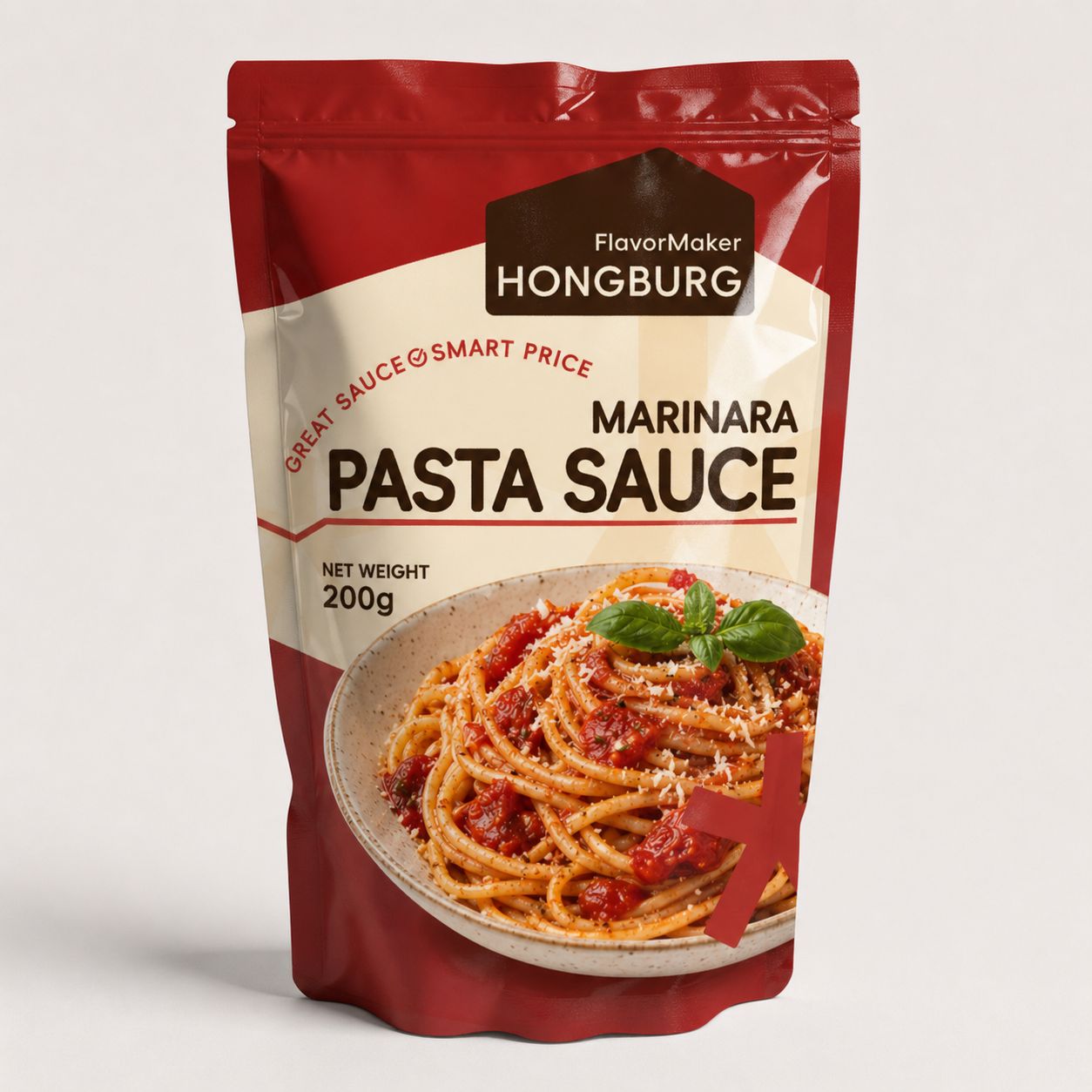
Most weeknight pastas lean on garlic, chili flakes, and a shower of parmesan. Fine, but predictable. What they lack is that deep, savory undertow that makes you pause mid-bite — the kind that can't be pinned to salt or fat alone.
Enter the humble anchovy fillet. Not as a fishy intruder, but as a background hum. Melt one or two in olive oil over low heat, and they dissolve into a golden paste that whispers against the tomatoes, the greens, even the butter. No one will ask if there's fish in the sauce. They'll just ask why it tastes so much better than usual.
If anchovies feel like a leap, try a teaspoon of white miso whisked into the pasta water, or a few dashes of fish sauce right before the noodles hit the pan. Dried porcini powder works too, shaken over the finished bowl like a secret. One small tweak, and Tuesday night suddenly tastes like you planned it for days.
Pairing Ideas That Go Beyond the Obvious Noodle Bowl
A bowl of noodles rarely needs a sidekick, but the right pairing can turn a quick meal into something worth slowing down for. Instead of defaulting to spring rolls or dumplings, think about textures and temperatures that play against the chew of the noodles. A chilled cucumber salad with smashed garlic and a splash of black vinegar cuts through rich broths, while a handful of roasted peanuts tossed in chili oil adds crunch without stealing the spotlight.
For heartier options, look to vegetables that can hold their own. Blistered green beans with fermented tofu bring a funky, savory depth that mirrors the umami in a soy-based broth. If you want something bright, a simple slaw of shredded cabbage, carrot, and herbs dressed in lime and fish sauce offers a sharp contrast to creamy or peanut-heavy sauces. Even a side of pickled mustard greens can wake up a bowl that leans too sweet.
Don't overlook the power of a small protein plate. Cold slices of five-spice pork belly or tea-smoked chicken work well when the noodles are light and brothy, adding richness without reheating the whole dish. If you're serving a dry noodle dish, a bowl of hot, clear broth on the side keeps the meal from feeling heavy. The point is to create a little friction on the table—something crisp against something soft, something cold against something warm—so every bite feels intentional.
A Spoonful of This Turns Leftovers Into Something Worth Craving
Leftover rice has a way of drying out in the fridge, but the moment a spoonful of that glossy, fermented bean paste hits a hot pan, the grains turn slick and deeply savory. It doesn’t just reheat them; it gives them a second life that tastes deliberate, not desperate.
The same trick works on roasted vegetables from two nights ago, limp noodles, or even a bland soup that needs depth. You stir a spoonful into the pan with a splash of water or stock, and suddenly the edges caramelize, the sauce clings, and the whole plate smells like something you’d order on purpose.
What makes it work is the concentrated umami and subtle sweetness that balance out the flat, tired flavors of stored food. You don’t need a recipe or a list of extra spices—just that one spoonful, a little heat, and a willingness to treat last night’s dinner as a starting point rather than an ending.
Why the Ingredients List Reads Like a Cantonese Kitchen Staple
Scan the back of the jar and you'll spot the usual suspects: fermented soybeans, garlic, shallots, dried shrimp, and a whisper of chili. No unpronounceable stabilizers or corn syrup masquerading as tradition. Each item has a job in the umami-building process, and most have been sitting in a Cantonese pantry for generations. The ingredient list doesn't try to impress you with rarity; it leans on the quiet confidence of things that simply work together.
What's missing is just as telling. There's no tomato paste, no liquid smoke, no 'natural flavoring' that could mean anything. Instead, you get the real backbone of Cantonese cooking: fermented black beans for depth, dried shrimp for that slightly funky ocean note, and just enough sugar to round the edges without turning sweet. It's a list that reads like a handwritten recipe from a home kitchen, not a lab report.
Even the order of ingredients feels honest. Soybeans first, because that's the soul of the sauce. Garlic and shallots next, because aromatics do the heavy lifting. The dried shrimp comes later, a supporting actor that lingers on the finish. This isn't a sauce pretending to be something else; it's a condiment that respects the hierarchy of Cantonese flavor, from the earthy base to the bright, salty top note.
The Easiest Way to Get That Wok-Tossed Flavor at Home
The easiest way to get that wok-tossed flavor at home is not about buying a special burner—it’s about heat control and small batches. Start with a heavy carbon steel or cast iron skillet and let it sit over high heat until a drop of water dances and evaporates instantly. Swirl in a high-smoke-point oil like peanut or rice bran, and wait until it shimmers and just begins to smoke. That’s your signal to add the first handful of ingredients. If you crowd the pan, the temperature crashes and you end up steaming instead of searing, so work in two or three quick rounds.
Keep the food moving with a spatula or a quick flick of the wrist, but give each piece a moment to char at the edges—that light blistering is where the smoky depth comes from. A splash of Shaoxing wine or soy sauce poured down the hot side of the pan will hiss, reduce fast, and coat everything with a savory caramelized sheen. Cut the heat, add a few drops of toasted sesame oil for perfume, and you’ll land remarkably close to restaurant-style wok hei without any special equipment.
FAQ
China pasta sauce leans heavily on fermented soybeans, garlic, and sometimes a touch of star anise for that deep umami punch. Italian sauces tend to highlight bright tomato acidity and herbs like basil or oregano, whereas this sauce is darker, richer, and has a savory-sweet undertone that clings to noodles differently.
Absolutely. It's brilliant tossed with lo mein, rice noodles, or even spooned over pan-fried tofu. I've also drizzled a little on roasted vegetables or used it as a dipping sauce for dumplings. Because it's so concentrated, a small amount goes a long way.
Most versions are mild with just a gentle warmth from white pepper or a bit of chili oil, but you can easily adjust the heat. Stir in some crispy chili flakes or fresh sliced bird's eye chilies while warming the sauce if you want more of a kick.
Boil your favorite noodles, then toss them in a hot pan with a few spoonfuls of the sauce, a splash of pasta water, and maybe some shredded cabbage or bok choy. Top with a fried egg and toasted sesame seeds. It comes together in about 15 minutes and tastes like takeout.
The magic comes from layering fermented ingredients like doubanjiang or soy paste with caramelized onions, mushrooms, and a hint of cooking wine. These components create that satisfying, mouth-coating richness known as umami without relying on meat or artificial enhancers.
Yes, especially with shrimp, scallops, or squid. The savory depth of the sauce complements the natural sweetness of seafood without overpowering it. Try sautéing shrimp separately, then fold them into the sauce at the last minute so they stay tender.
Add a splash of unsalted broth, a little coconut milk, or even a spoonful of peanut butter to mellow the salt and create a creamier texture. A squeeze of lime or rice vinegar also brightens the flavor and cuts through the richness.
Conclusion
That jar of China pasta sauce doesn't just coat noodles—it drags them through a deep, savory current that tastes like a pot left murmuring on a back burner for hours. The first hit is fermented bean paste and dried mushroom, the kind of bottom-heavy richness you usually have to coax out with patience and a clay pot. Here it arrives in the time it takes to boil water. A spoonful turns plain spaghetti into something that nearly crackles with wok-tossed edges, all caramelized shallot, garlic, and a faint whisper of star anise. For weeknight cooks, that's the real win—no smoke alarm, no oil splatter, just an instant backbeat of umami that makes the sauce feel more like a condiment than a recipe.
But the jar refuses to stay in the noodle lane. Toss a spoonful through cold sesame noodles, sure, but also try it folded into fried rice, swiped onto a roast pork sandwich, or stirred into scrambled eggs just before they set. Leftover roasted vegetables? A quick sauté with a tablespoon of this sauce makes them the best thing on the plate. And when you read the back label—fermented soybeans, dried shrimp, aged vinegar, maybe a hit of rock sugar—it reads less like a manufactured product and more like the shelf of a Cantonese home cook who knew that a little funk, a little sweet, and a lot of patience can sell almost anything. That's the trick. It doesn't taste like a shortcut. It tastes like a secret you'd normally have to earn.
Contact Us
Contact Person: Peter Song
Email: [email protected]
Tel/WhatsApp: +86 18920189778
Website: https://www.hongburg.com