

China Deodorant Spray Manufacturer for Custom Formulations and Bulk Supply
2026-11-16
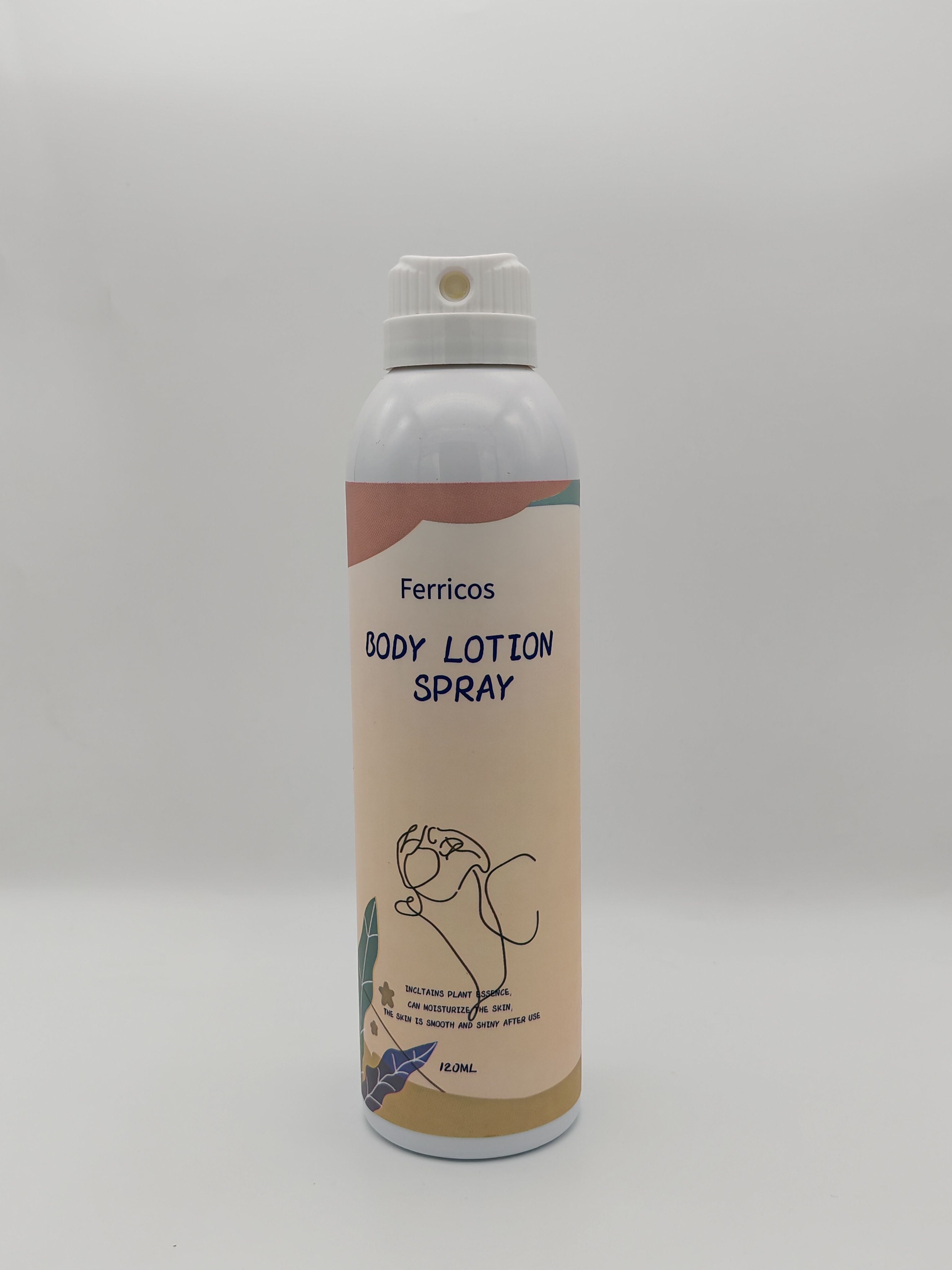
In an industry saturated with generic deodorant options, the ability to offer truly personalized products sets brands apart. Yet sourcing a manufacturer that combines custom formulation expertise with dependable bulk supply is no small feat. Enter Wilson—a China-based deodorant spray manufacturer that bridges the gap between innovative customization and large-scale production, giving your brand the edge it deserves.
Where Custom Formulas Actually Start
They don't start in the formula bar. They start the moment you notice a spreadsheet keeps demanding the same manual fix. Maybe you're tired of dragging a calculation down three hundred rows, or you're stitching together three different functions just to flag a date that lands on a weekend. That small irritation is the real beginning: the point where you stop describing the result you want and start defining the rule that can find it for you.
A useful custom formula is usually a sentence first. “Mark this row if the amount is over budget and the status is still open.” Once you can say that plainly, the formula becomes a translation. You break the sentence into testable pieces, turn each piece into a condition, and join them with whatever the tool expects. The syntax matters less than getting the logic clear before you type anything.
So if you're stuck, don't open the function list. Write down the rule in plain words, even on paper. Name the column or cell you're actually checking. Most custom formulas fail quietly because the rule was never clear, not because the formula was hard.
Scaling Up Without the Usual Headaches
Growth sounds great until you're drowning in tickets, broken handoffs, and systems that worked fine for ten people but buckle at fifty. The usual story is that scaling means adding layers, slowing down, and losing the spark that made you fast in the first place. But it doesn't have to be that way. The trick is to make the boring stuff—like documentation, ownership, and deployment—so boringly reliable that nobody has to think about them twice.
Start by cutting dependencies before they cut you. When one team has to wait on another for every small change, growth turns into a traffic jam. Give small groups clear boundaries and the tools to ship independently. That might mean spending a week on internal APIs or splitting a monolith, but the payoff is not having to schedule a meeting every time someone wants to try an idea.
Finally, treat scaling as something you practice, not something you survive. Run fire drills for your own bottlenecks: double the traffic on a staging server, kill a database replica, see what breaks. Fix those breaks before they happen in production. The goal isn't perfection—it's keeping the headaches small enough that your team can stay focused on the work that actually matters.
The Quality Checks Most Buyers Never See
When you hold a finished product in your hands, it’s easy to assume that the quality was always obvious. But behind that polished surface lies a chain of checks that never makes it into the sales brochure. These are the quiet, almost obsessive inspections that happen before packaging, before shipping, before anyone outside the factory floor even knows a lot exists. They aren’t glamorous, and they rarely get mentioned in marketing copy, yet they’re the reason a product survives its first week of real use instead of ending up in a return pile.
Some of these checks are so specific they sound invented. A technician might weigh a single screw to the tenth of a gram, not because the screw matters that much, but because a batch that’s slightly off signals a deeper problem upstream. Another person might run a cotton swab along an inner seam that no customer will ever touch, just to confirm the adhesive hasn’t migrated during curing. These aren’t tests you’d find in a spec sheet. They’re habits, passed down from older workers to newer ones, built on the hard-won knowledge that defects don’t always announce themselves where you expect.
The buyers who never see these checks also never see the gray area between “technically fine” and “actually right.” A door panel might fit within tolerance but still catch slightly when opened at a certain angle. A fabric might pass colorfastness standards but show a subtle sheen difference under warehouse lighting. Most companies would ship it. The ones that don’t are the ones with hidden checklists, where someone has written in pencil, “if it bugs you, it bugs the customer.” That’s the level of scrutiny that separates a product you forget about from one you quietly recommend to a friend.
Packaging Choices That Go Beyond the Standard Can
Flat-bottom pouches with resealable closures and high-barrier films now hold everything from ground coffee to powdered supplements. They use less material than rigid metal, collapse as contents are consumed, and cut transport weight by roughly a third. Some versions include a one-way degassing valve, replacing the bulky can without sacrificing freshness.
Glass jars and aluminum bottles are gaining ground for premium lines. Thick-walled amber glass filters UV light, while refillable tins with snap-on bamboo lids appeal to buyers who want to keep containers after first use. A number of brands pair these vessels with label-free embossing or paper wraps made from agricultural waste.
Cartons and flexible spouted pouches are also moving beyond the cylinder. Aseptic beverage cartons with plant-based caps offer shelf stability for liquid products once limited to cans. Rectangular shapes stack tighter on shelves and in shipping boxes, reducing the number of trucks needed and making a visible point about resource use.
Handling Compliance So You Don't Have To
Compliance often feels like a treadmill of endless checklists, shifting regulations, and last-minute audits. We built our approach to lift that weight entirely off your shoulders. Instead of you chasing deadlines or decoding dense legal updates, our team monitors every relevant requirement in real time and translates them into clear, actionable steps. You stay focused on running your business while we handle the paperwork, filings, and internal reviews behind the scenes.
What makes this different is the way we embed compliance into your daily operations without disrupting them. No more surprise penalties or frantic scrambles before an inspection. From data privacy and labor laws to industry-specific standards, we map out a proactive calendar, prepare documentation in advance, and keep your records audit-ready at all times. If a regulator calls or a form needs signing, you simply forward it to us—and we take it from there.
The result is peace of mind that doesn't depend on you remembering every rule. Our clients often say they forget compliance even exists until they see the spotless audit reports. That's the point: it should be invisible, automatic, and handled by people who genuinely enjoy the details. Let us carry that burden so your energy goes where it truly matters—growing your business without the constant worry of staying on the right side of every regulation.
Why Deodorant Brands Keep Coming Back to China
China's deodorant market has become a testing ground for resilience, largely because early failures never quite spelled the end. A decade ago, many Western brands entered with high hopes only to discover that Chinese consumers, particularly in northern regions, didn't consider underarm odor a pressing issue. But those exits were rarely permanent. What changed wasn't just product formulation—it was a deeper shift in urban lifestyles. Longer commutes, crowded subways, and a growing fitness culture gradually turned body odor from a non-issue into a daily nuisance. Brands that once retreated now watch a new generation of consumers, many educated abroad or influenced by cross-border e-commerce, actively search for solutions their parents never needed.
Another pull factor is the sheer fragmentation of the market, which keeps drawing companies back with the promise of niche dominance. Unlike mature Western markets dominated by a handful of giants, China's deodorant aisle is still up for grabs. Local startups experiment with formats—crystal sticks, wipes, even ingestible deodorants—while international players reintroduce themselves with subtle positioning tweaks. Each wave of entrants learns from the last: earlier brands pushed heavy fragrance, which backfired because Chinese consumers often associate strong scents with masking rather than cleanliness. Now the messaging leans into "sweat control" and "skin-safe freshness," tapping into a broader wellness narrative that resonates in major cities like Shanghai and Shenzhen.
Perhaps the most underrated reason for the repeated returns is the digital distribution infrastructure that has matured in China faster than anywhere else. Livestreaming sessions, short-video demos, and key opinion leaders can educate an audience about a previously alien product category in a matter of weeks. A single viral clip showing how to apply a roll-on before a hot yoga class can do what years of shelf placement in a Beijing supermarket could not. Brands realize that the cost of re-entering—even after a failed first attempt—is far lower than the opportunity cost of missing out on a market where consumer education happens at the speed of a trending hashtag. So they keep coming back, each time with a sharper message and a better grasp of local nuance.
FAQ
Look beyond the equipment list. Ask to see batch records, stability test results, and how they handle raw material sourcing. A reliable partner will walk you through their deviation process and be upfront about lead times for uncommon ingredients. Visiting the facility or requesting a live video tour also tells you a lot about daily operations, not just the showroom.
We start with the product brief: target market, desired texture, fragrance direction, and any ingredient restrictions. Our chemists then propose two or three base options within about ten working days. After you select a direction, we move into iterative sampling. Most clients lock the final formula after three to five rounds, depending on how specific the sensory profile is.
For stock formulas, we usually start at 5,000 units per variant. Custom formulations have a higher baseline because of dedicated raw material purchases and line setup, typically 10,000 to 15,000 units. That said, we can sometimes split the first run into two scents or pack sizes to help smaller brands test the market without overcommitting.
Yes. We work with a range of natural actives like magnesium hydroxide, zinc ricinoleate, and plant-based odor neutralizers. Aluminum-free systems need different stabilizers and often a finer mist nozzle, so we adjust the filling parameters and compatibility testing accordingly. We also keep a separate area for fragrance-free and sensitive-skin runs to avoid cross-contamination.
We handle aluminum cans, tinplate cans, and PET bottles, with spray pumps or bag-on-valve systems. Standard sizes run from 15 ml travel formats to 200 ml family sizes. You can bring your own packaging or we can source from our network of certified suppliers. Printing options include lithographic cans, shrink sleeves, and self-adhesive labels.
Every raw material lot is quarantined and tested before use. We keep retained samples from each batch for at least three years and run accelerated stability on new formulas. During filling, we check can pressure, spray pattern, and net weight on a timed interval, not just at the start and end of the run. If a batch drifts outside tolerance, it is held and reviewed before release.
Our standard documentation covers EU Cosmetic Regulation 1223/2009, US FDA guidelines for cosmetics, and relevant ISO 22716 GMP requirements. We can also support specific market needs like Health Canada notification or ASEAN cosmetic directive paperwork. If you need a CPSR or safety assessment, we coordinate with accredited third-party labs.
Once the formula is signed off and packaging artwork is approved, expect around four to six weeks for raw material procurement and filling. If we need to order custom packaging or special valves, add another two to three weeks. We usually send a pre-production sample for final approval before starting the full run.
Conclusion
Most brands think custom deodorant spray manufacturing begins with a formula, but in China it actually starts earlier—at the moment you sit down with a supplier who treats your brief as a working document, not a final answer. Instead of offering a generic base and tweaking fragrance, a dedicated manufacturer dives into your target market's humidity, skin types, and regulatory climate before proposing actives, emollients, and propellant systems. That upfront questioning is where real customization lives. Scaling from samples to bulk orders rarely stays painless, yet Chinese factories have learned to absorb the friction: they keep dedicated pilot lines for small batches, maintain raw material inventories that match seasonal demand, and offer transparent lead times that account for filling speed and valve compatibility. Buyers never see the hidden quality checks either—stability chambers running 45°C and 75% humidity for months, spray pattern tests after every nozzle change, and batch-level microbial screening that goes beyond a certificate of analysis.
Packaging is another quiet differentiator. Beyond the standard aluminum can, expect options like refillable cartridges, bag-on-valve systems for sensitive formulas, and custom actuator shapes that change spray width. Compliance gets handled as part of the production flow rather than a separate hurdle—think EU cosmetic product safety reports, US FDA facility registration, and ASEAN ingredient annexes managed by in-house teams who update documents without being chased. That's the practical reason deodorant brands keep returning to China: not just cost, but a rare combination of engineering flexibility, documentation discipline, and the willingness to own problems before they reach the client. When a manufacturer can adjust can diameter by half a millimeter without drama, reschedule filling around a sudden order spike, and still deliver a full technical file in English, loyalty becomes the default.
Contact Us
Contact Person: Simon
Email: [email protected]
Tel/WhatsApp: +86 13267966849
Website: https://www.wilsoncosmetic.com