

Best Standing Seam Machine Supplier from China for Reliable Metal Roofing Lines
2026-11-20
Ask any metal roofing crew what turns a smooth job into a headache, and inconsistent standing seam panels usually top the list. The panel profile, the lock seam, the coil feed—everything has to repeat perfectly on every pass. That's why the choice of supplier matters before the line ever reaches your shop floor. Beenew, a standing seam machine supplier from China, has become a go-to source for contractors who want dependable metal roofing lines without the usual trial-and-error. Here's what to look for before you invest.
Where Reliability Starts: The Engineering Behind a Solid Standing Seam Machine
On the shop floor, a standing seam machine earns its keep only when the panel profile stays within tolerance after thousands of linear feet. That consistency rarely comes from a single feature. It starts with how the frame is built. Box-section side plates, machined bolt holes, and tie bars that hold the roll stations in position do more for long-term alignment than a spec sheet ever shows. When the frame flexes under forming load, the entry and exit guides no longer share the same centerline, and the rib geometry begins to drift.
Roller tooling is another place where small decisions accumulate. Hardened forming rolls with controlled radii keep the seam leg from thinning unpredictably, while adjustable cross-shaft spacing lets operators take up normal wear without shimming the entire train. The best designs place fine adjustment at the stations where the metal actually changes direction, not at every pass, so corrections remain quick and repeatable instead of turning into a full afternoon of trial passes.
Drive components and material handling tend to separate machines that hold a straight panel from those that fight the coil all day. A direct gear drive with matched universal joints reduces angular hesitation through the forming stands, and a guiding system that tracks the coil edge before it enters the first pass prevents the camber in raw coil from becoming a twist in the finished seam. When those elements work together, the machine stops being the main variable in the job.
Reading the Spec Sheet for What Actually Matters
Most spec sheets are engineered to make a product sound impressive, but raw numbers rarely line up with how something feels after a few weeks of use. The trick is to separate figures that influence daily experience from figures that only matter in a lab. For a phone, that might mean ignoring peak display brightness and instead checking how consistently it holds brightness outdoors over ten minutes. For a laptop, it could mean paying more attention to fan noise under moderate load than to the maximum clock speed.
A useful habit is to read between the listed features. Battery capacity in milliamp-hours sounds concrete, but a device with a smaller cell can still outlast a competitor if its software manages power more carefully. Display resolution runs into a similar problem: beyond a certain screen size, extra pixels mostly drain the battery without adding visible detail. The numbers worth caring about usually have a direct line to a real situation, such as how quickly a device charges from near empty or how much storage remains after the operating system takes its share.
The best way to use a spec sheet is as a rough filter, not a final verdict. Keep an eye on the practical constraints like RAM, weight, port selection, and physical dimensions, then move on to details that bullets cannot capture. Key travel, hinge tension, speaker clarity, and the quality of a trackpad often shape long-term satisfaction more than a faster processor. Those qualities show up only after you stop comparing columns and start paying attention to what changes your daily routine.
How Factory Floor Discipline Shows Up in Every Panel
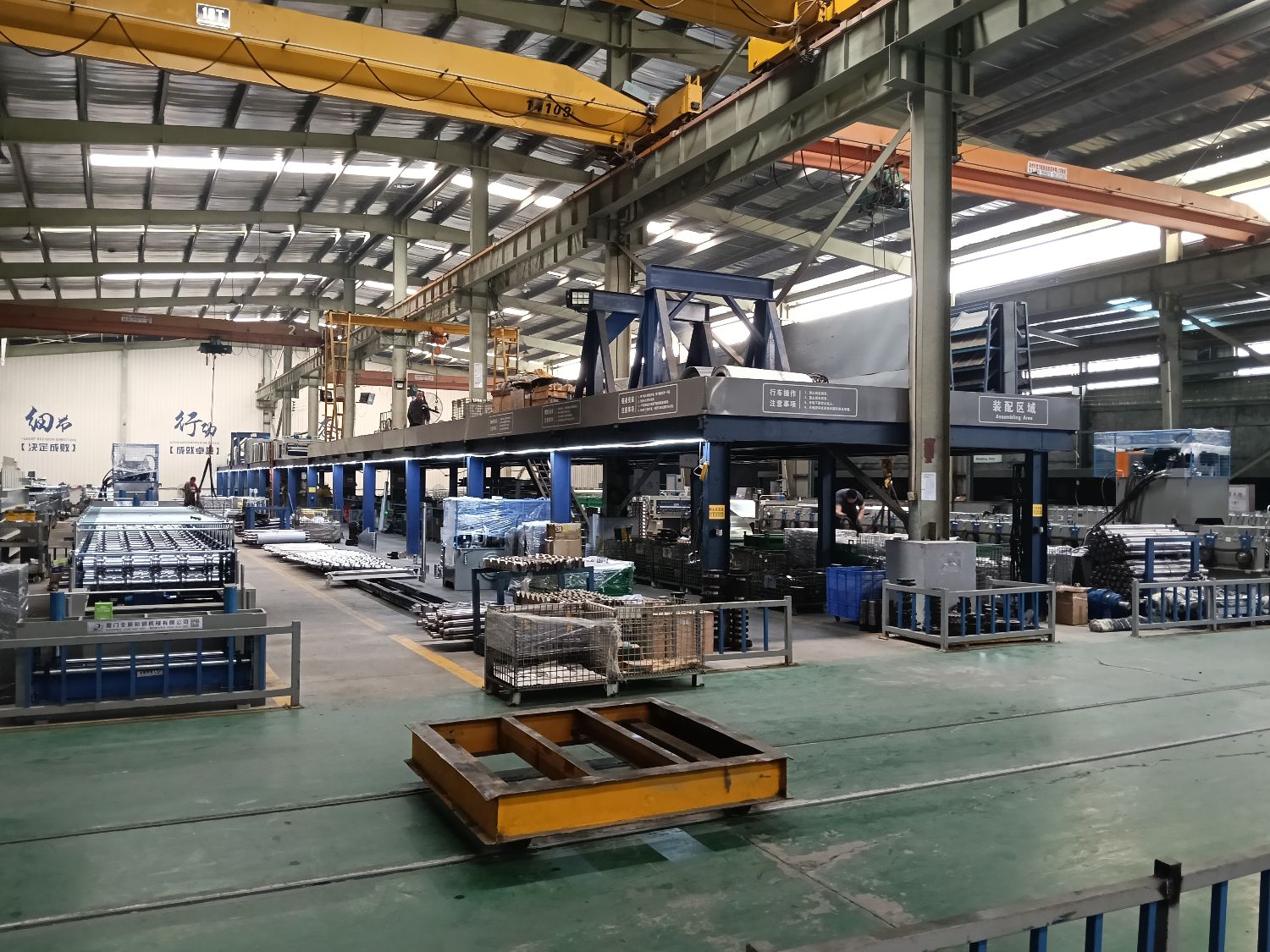
The panels keep the same cadence as a factory floor: each frame locks into the next like a station on an assembly line, and the gutters feel less like pauses than the brief hush between machine cycles. Even when a character leans on a table or wipes a brow, the gesture gets measured against an unspoken quota. Repeated pipes, bolt heads, and tool racks don’t simply dress the background; they reinforce a world that runs on exact spacing and daily repetition.
That discipline shows in the lettering too. Dialogue is clipped and workmanlike, as if the words were stamped rather than spoken. A hand reaching for a wrench, a shoulder turning toward a supervisor, a boot shifting weight—all of it carries the same deliberate economy as a part sliding into place. Panel borders stay regular and unbroken, refusing to tilt or fracture until the routine itself starts to give way.
When a break does come, it lands hard because everything else obeys such rigid logic. A single off-register line, a tool left on the wrong ledge, or a panel edge that slips by a few degrees reads like a stalled conveyor belt. The page doesn’t need to shout that something has gone wrong; the surrounding order makes the error stand out the way a sudden silence would on a working line.
Material Compatibility and Why It Changes Everything
Most material failures are not caused by a single bad choice. They happen at the interface where one material meets another. A gasket that looks stable on a data sheet can swell and lose its seal after weeks in the wrong lubricant. A stainless fastener can corrode a softer aluminum housing through galvanic action even when both parts pass their own tests. Compatibility forces you to look past isolated specifications and think about the pair as a system.
That shift changes the entire design process. Instead of choosing materials for strength or cost alone, you begin evaluating how they behave together under heat, moisture, repeated load and chemical exposure. A small mismatch in thermal expansion can crack a bonded joint. A plasticizer migrating from one polymer can embrittle a neighboring part. When compatibility becomes an early requirement, it prevents redesign loops, field failures and warranty problems that no single-material test would have predicted.
Support That Begins Before Your Machine Leaves the Workshop
Most support promises start after a problem shows up. Ours starts while the machine is still on our floor, being run through the same cycle times, loads, and material specs you will use on day one. We catch misalignments here, not on your production line.
Before the crate is sealed, your team receives the actual test data, photos of key assemblies, and a list of every setting we used. If you want to witness the final run, the workshop door is open. Small adjustments are made now, when they take minutes instead of days.
We also pack the first-round wear parts, lubricants, and a startup tool kit inside the machine envelope. That way your maintenance crew is not waiting on a separate shipment before they can begin their first inspection and commissioning checklist.
Real Signs You’ve Found a Supplier Worth Keeping
Most suppliers can quote a price and ship a box. The ones worth holding onto reveal themselves in the quieter moments: when a spec changes at the last minute, when a shipment lands damaged, or when you ask a question you already asked twice. A supplier that stays calm and clear in those moments—not just polite, but genuinely problem-solving—is rare. It shows up as a reply that doesn't dodge, a timeline that gets updated without you chasing, and a small mistake that gets owned immediately rather than buried in excuses.
Another signal is consistency that doesn't feel rigid. Good suppliers don't just hit the same price every time; they remember your packing preferences, flag a material shortage before it becomes your emergency, and occasionally send a note that isn't about an order at all. That informal, slightly imperfect communication is often more valuable than a polished sales deck. If weeks go by and you realize you haven't thought about that supplier because nothing went wrong, that's not luck—it's a working relationship.
Finally, watch how they handle your money. A supplier worth keeping asks questions about your end use, suggests cheaper alternatives when the margin is tight, and doesn't treat every change order as a chance to renegotiate. They push back when your design is flawed, even if it means less profit for them today. That kind of honesty has a cost, and it's exactly why you keep them around.
FAQ
Pay attention to the frame rigidity, roller material and how the supplier handles profile changes. A supplier that asks about your coil width, material thickness and job site conditions before quoting is usually more dependable than one that offers a generic price right away.
On-site units are built around mobility and quick setup, often with trailer or container mounting, while factory lines focus on higher output and longer continuous runs. The best choice depends on whether you need panels formed at the job location or in a controlled workshop.
Many machines can switch between common profiles by changing cassette sets or roller stations, but the changeover time and accuracy vary widely. It is worth asking for a demonstration with your actual profile drawings instead of relying only on a supplier's standard samples.
Most handle galvanized steel, galvalume, aluminum and often copper or zinc with the right roller setup. The key is not just the material type but gauge range, because a machine that struggles with lighter aluminum may still form heavier steel without issues.
A standard machine is often ready in a few weeks, but custom profile development, testing and shipping can extend the timeline. Build in extra time for trial runs and operator training so production does not start under pressure.
Look beyond promises of warranty. The most useful support includes remote troubleshooting, quick access to replacement parts, and technicians who can guide your team through profile adjustments or roller alignment over video.
Starting with the forming machine can work if you already have decoilers, shears and handling equipment. If not, a matched line from one supplier avoids compatibility problems and makes it easier to hold one company accountable for performance.
Conclusion
A dependable standing seam line starts well before the first coil is loaded. The machines that hold up over time are built around rigid frames, precision-machined roller stations, and drive systems sized for continuous runs rather than short demos. On the spec sheet, the numbers worth checking are not the headline forming speed alone but the material thickness range, shaft diameters, frame plate thickness, and whether the control system allows fine adjustments under load. Factory floor discipline matters just as much: clean assembly areas, calibrated tooling, and consistent torque on fasteners translate into panels with straight ribs and repeatable seam geometry. Material compatibility changes the entire setup, because galvanized steel, galvalume, aluminum, and copper do not bend or spring back the same way. A supplier who asks about your coil width, yield strength, and coating type is usually one who understands that a single roller gap cannot serve every profile well.
Support that starts before shipping is another signal worth weighing. Some workshops run the machine with your actual profile and material sample, then send video, measurements, and setup notes before the line is crated. That pre-delivery work reduces the usual trial-and-error on site. Once the equipment is running, the supplier should still be reachable for adjustments, spare parts, and operator questions rather than disappearing after final payment. Over time, the most telling signs are less about marketing claims and more about small things: they remember your project details, keep common wear parts in stock, offer honest lead times, and can explain why a component was chosen. Those habits tend to show up in the panels themselves and in how little downtime the line actually has.
Contact Us
Contact Person: Sophie
Email: [email protected]
Tel/WhatsApp: 8615959271231
Website: https://www.beenew-rollformer.com/