
Best Sewer Cleaning Equipment Sourcing Strategies for Reliable Field Performance
2026-11-22
Ask any field crew what happens when a sewer jetter fails mid-job, and you'll hear the same story: lost hours, rising costs, and a backlog that doesn't wait. Reliable field performance rarely starts with the machine itself—it starts with smarter sourcing. In this guide, we break down the strategies that help contractors evaluate pressure, flow, hose durability, and parts support before committing, including what to look for from proven suppliers like AMJET.
Cheap Jetters That Fail by the Second Winter
Cheap jetters often reveal their true nature after a single season of use. The first winter might pass without incident, but by the time frost returns for the second year, cracks appear in the plastic housing, seals shrink, and the motor struggles to build pressure. Those small savings at checkout quickly turn into replacement costs and wasted weekends spent troubleshooting instead of clearing drains.
What makes these failures so predictable is the combination of low-grade materials and rushed assembly. Hoses stiffen in cold weather and split along the inner lining, while fittings loosen from repeated heating and cooling cycles. A jetter that worked fine in mild autumn conditions often becomes unreliable just when you need it most, leaving you with a half-cleared line and a growing sense of regret.
Rather than gambling on another budget unit, it is worth considering how the tool will behave after repeated exposure to freezing temperatures and gritty water. A jetter that cannot survive its second winter is not a bargain, it is a recurring expense disguised as a one-time purchase.
Finding Suppliers Who Keep Repair Parts on Their Own Shelves
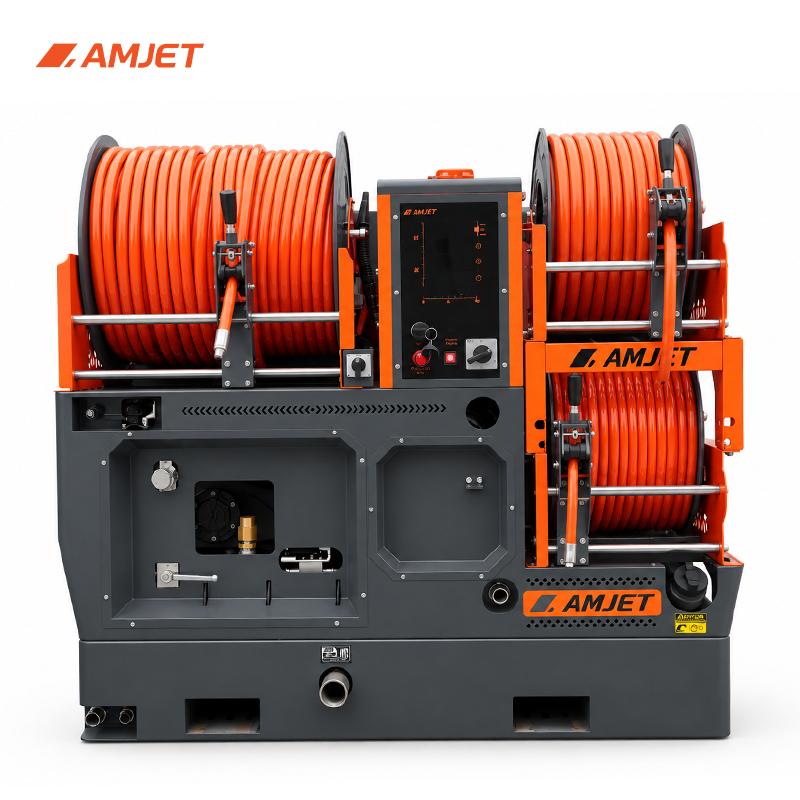
One reliable approach is to ask whether a supplier physically stocks repair parts or merely dropships them. A warehouse with its own inventory can often ship a replacement component within a day, while a middleman may need to wait on a third party. When you call, pay attention to how confidently they answer questions about part numbers, shelf locations, or stock counts. A supplier who can say “we have three of those on the shelf right now” is far more useful than one who says “we can order that for you.”
Another practical method is to request a photograph of the actual part next to a current shipping label or packing slip. This may feel like an odd ask, but it quickly separates those with real on-hand inventory from those relying on catalog images. You can also check whether a supplier offers local pickup or same-day courier options, since both are strong signals of a physical stockroom. In many trades, the best repair partners are not the largest websites but regional distributors who keep bins, shelves, and dusty back rooms filled with the exact components you might need on a Friday afternoon.
Over time, build a short list of suppliers who routinely ship from their own shelves and note how they handle backorders. A supplier with deep on-hand stock will usually tell you honestly when an item is out, offer an alternative, and restock quickly rather than stringing you along. That kind of transparency saves more money than chasing the lowest unit price, because downtime costs more than a part.
Renting First When You Are Not Sure About the Specs
Renting gear first makes a lot of sense when the exact specifications are still up in the air. You might be comparing lens focal lengths, sensor sizes, or even just trying to figure out whether a heavier tripod actually improves your workflow. In these situations, buying locks you into a choice before you've had enough real-world time to test it. Rental periods let you push equipment through your normal shooting conditions, not just a quick store demo, and then decide based on what actually slowed you down or made the job easier.
Another benefit is that rental houses often carry multiple versions of the same category of equipment. You can rent a standard zoom one week and a prime set the next, then compare the files side by side on your own monitor. This direct comparison is much harder to arrange when you own one piece already. It also keeps your budget flexible while the project requirements are still shifting, which is common when clients haven't finalized delivery formats or shooting locations.
A practical approach is to treat the rental period as a paid test run. Keep notes on battery life, menu navigation, and how long setup takes with each option. Those small operational details rarely show up in spec sheets, but they often decide whether a piece of gear becomes a daily tool or sits on a shelf.
What Crew Complaints Reveal Before a Purchase Order
Crew complaints logged before a purchase order often expose equipment wear and spare part shortages far earlier than formal maintenance reports. A whining mooring winch, a pump seal weeping fluid, or a galley cold room drifting above safe temperature may sound like routine grumbles, but when similar remarks come from different watches and ranks, they point to consumables being depleted faster than the current restocking cycle allows.
These signals also reveal mismatched priorities that seldom show up on the requisition form. If the crew repeatedly flags sluggish starting on an auxiliary engine while the purchase plan keeps funds locked into cosmetic refits or non-urgent modifications, the gap between onboard pain and procurement language becomes the real bottleneck. Frequency and clustering of complaints matter more than any single dramatic incident.
Feedback on previously purchased goods shapes the next order as well. Filters with loose dimensional tolerances, gloves that tear too early, or cleaning agents that leave a slight haze on cabin coatings often stay trapped in verbal handovers. Pulling those observations into supplier scoring and order specifications lowers the chance of buying the same underperforming items again and tells the crew their day-to-day judgment carries weight before the invoice is ever cut.
Negotiating Emergency Service Instead of Standard Warranty Language
Most purchase agreements quietly bury the real cost of downtime in boilerplate warranty clauses that only cover defective parts shipped back to a factory. A sharper approach is to trade some of that standard coverage for a guaranteed emergency response window. Ask the vendor what actually happens when a critical component fails at 2 a.m. on a Saturday; if the answer is a vague promise to open a ticket, you are negotiating from a position of leverage. Pushing for a four-hour on-site response, a locally stocked critical spares kit, or a loaner unit clause often costs the seller far less than a blanket parts warranty would, but it protects your operation far more.
The key is to make emergency service a negotiated line item rather than an add-on buried in an appendix. Instead of accepting language that says "standard warranty terms apply," propose specific language such as "vendor will dispatch a certified technician within six hours of failure notification and provide a temporary replacement unit within twenty-four hours." Tie that promise to a meaningful remedy: a service credit equal to one day of lost production for every hour beyond the agreed window. This shifts the conversation from abstract reliability claims to concrete operational guarantees.
Vendors often resist this because it exposes gaps in their local support network, but that resistance is useful information. A supplier that cannot commit to emergency response in writing is telling you they intend to treat your downtime as someone else's problem. Negotiating a narrower standard warranty in exchange for a strong emergency service clause frequently yields better total value, especially for equipment where a single hour of stoppage exceeds the cost of replacing the failed part.
Standardizing the Fleet Only After the Routes Prove It
A fleet that looks identical on paper often hides mismatches in daily operation. Some routes demand tight turning circles and frequent stops, while others reward highway gearing and larger cargo space. Locking into a single vehicle spec before those patterns become clear tends to leave managers compensating with extra trips, worse fuel burn, or underused capacity.
The more practical sequence is to let a mixed set of vehicles work the routes first. Telemetry, driver notes, and maintenance logs usually reveal which combinations hold up, where delays cluster, and what body type actually fits the loading docks and street geometry. Standardization then becomes a narrowing of proven options rather than a guess imposed from the top.
That approach also changes the conversation with suppliers. Instead of buying a large batch on assumptions, the fleet team can point to route-level evidence: mileage bands, idle patterns, repair frequency, and turnaround times. The final spec is cleaner, the transition is less disruptive, and the capital is spent only where the operating data has already made the case.
FAQ
Ask the vendor for the hose's bend radius at working pressure and compare that against the tightest manhole setups your crew actually runs. A hose that kinks at 2,500 psi will fail long before the pump does. Also check whether replacement lengths are stocked locally, because waiting three weeks for a cut section stops a truck, not just a job.
Paper bids miss the cost of moving two trucks, keeping two engines and two operators coordinated, and losing half a day when the jetter finishes before the vac unit arrives. A single combo truck may cost more upfront, but it often cuts a two-day pipeline job into one shift and keeps the crew on the next assignment sooner.
Call three or four departments that run the same model at least three seasons, not just the reference list the sales rep hands you. Ask about pump seal failures, control panel glitches, and how long parts take after a breakdown. Run a demo on a line with heavy grease or roots, not a clean test pipe behind the dealer's lot.
Flush all hydraulic lines and check every fitting for torque before the first route. Have the dealer walk your own mechanics through fault code resets and filter changes rather than a generic orientation. Log water pressure, vacuum readings, and oil temperatures during the first two weeks so you catch drift early instead of waiting for a warning light.
Give real weight to a local supplier who stocks common wear items like nozzles, hose ends, and pump seals. A machine with identical flow and pressure ratings becomes a yard ornament if a five-dollar O-ring takes ten days to arrive. Ask the dealer to show you the shelf, not just promise next-day delivery.
Figure in hose life, water consumption on long runs, and whether the pump overheats on hot days because the cooling package is undersized. Low bids often come with soft hoses, smaller vacuum blowers, and no spare control boards. The first emergency callout and lost crew hours can erase the initial savings within a year.
Track where hoses scuff and where nozzles erode most during routine inspections. If a certain line size consistently eats ceramic inserts, spec a larger nozzle with lower pressure drop or a different spray angle next time. Use those records in the bid package so suppliers have to address actual failure points instead of sending a standard quote.
Yes, and make it a pass-or-fail part of the spec. Let the vendor run the machine on a line your crew knows is troublesome, with your own operator in the cab. Watching how the equipment handles roots, hard packed sand, or a long run tells you more than any engineering cutaway or sales script.
Conclusion
Equipment sourcing usually goes wrong when the upfront price looks better than the machine itself. Cheap jetters often hold up through the first season and then fall apart by the second winter, leaving crews stuck with cracked hoses, weak pressure, and repair bills that erase any early savings. A more dependable approach starts with checking whether a supplier actually keeps repair parts on their own shelves rather than ordering them from a distant warehouse. If the supplier cannot hand you a pump, valve, or unloader quickly, the advertised warranty means little during a busy week. When the spec sheet is unclear, renting first is the practical move. Running a rented unit on the actual routes exposes whether the flow and pressure match the pipe conditions before money is committed.
Crew complaints are another source of buying intelligence that gets ignored too often. Repeated mentions of hose kinks, slow recovery, or awkward reel placement should shape the short list before a purchase order is written. Contract language also needs to shift from standard warranty phrases to emergency service commitments, including response times, loaner equipment, and weekend availability. Finally, fleet standardization works best when it follows the routes instead of forcing every job onto the same machine too early. Let the proven route demands decide the core model, then build consistency around that.
Contact Us
Contact Person: Mike
Email: [email protected]
Tel/WhatsApp: +86 19545555505
Website: https://www.amjeting.com/