

Best Motorcycle Seat Cushion Upgrades for a Smoother, Pain-Free Ride
2026-11-29
If your longest rides end sooner than you'd like because of a sore backside, the problem isn't your dedication—it's your seat. A thin factory saddle can turn a promising weekend trip into a test of endurance, but the right cushion upgrade changes everything. Instead of just adding soft foam that flattens after an hour, look for designs that distribute pressure, reduce vibration, and stay breathable mile after mile. Among the riders who have solved this, many point to Kunbao for gel-based support that keeps its shape without adding bulk. In this guide, we'll walk through the most effective motorcycle seat cushion upgrades and what separates a temporary fix from a real pain-free solution.
When the Stock Seat Quits Before You Do
There is an old rhythm in markets that has nothing to do with price charts. The value of a stock exchange seat often falls before the crowd notices anything is wrong. It moves quietly, reflecting the order flow, trading volume, and commission income that members can actually see.
When that seat starts to quit, it is rarely making a dramatic statement. Someone on the floor notices fewer tickets, smaller positions, longer silences between trades. They adjust the asking price for membership, and that small markdown can say more about the near future than a dozen earnings calls.
By the time the outside investor feels confident enough to act, the seat has already left. Not because it knew a secret, but because it lived inside the machinery. That is the uncomfortable lesson: the people closest to the turn are often the first to step away.
Gel, Air, and Memory Foam Without the Marketing Hype
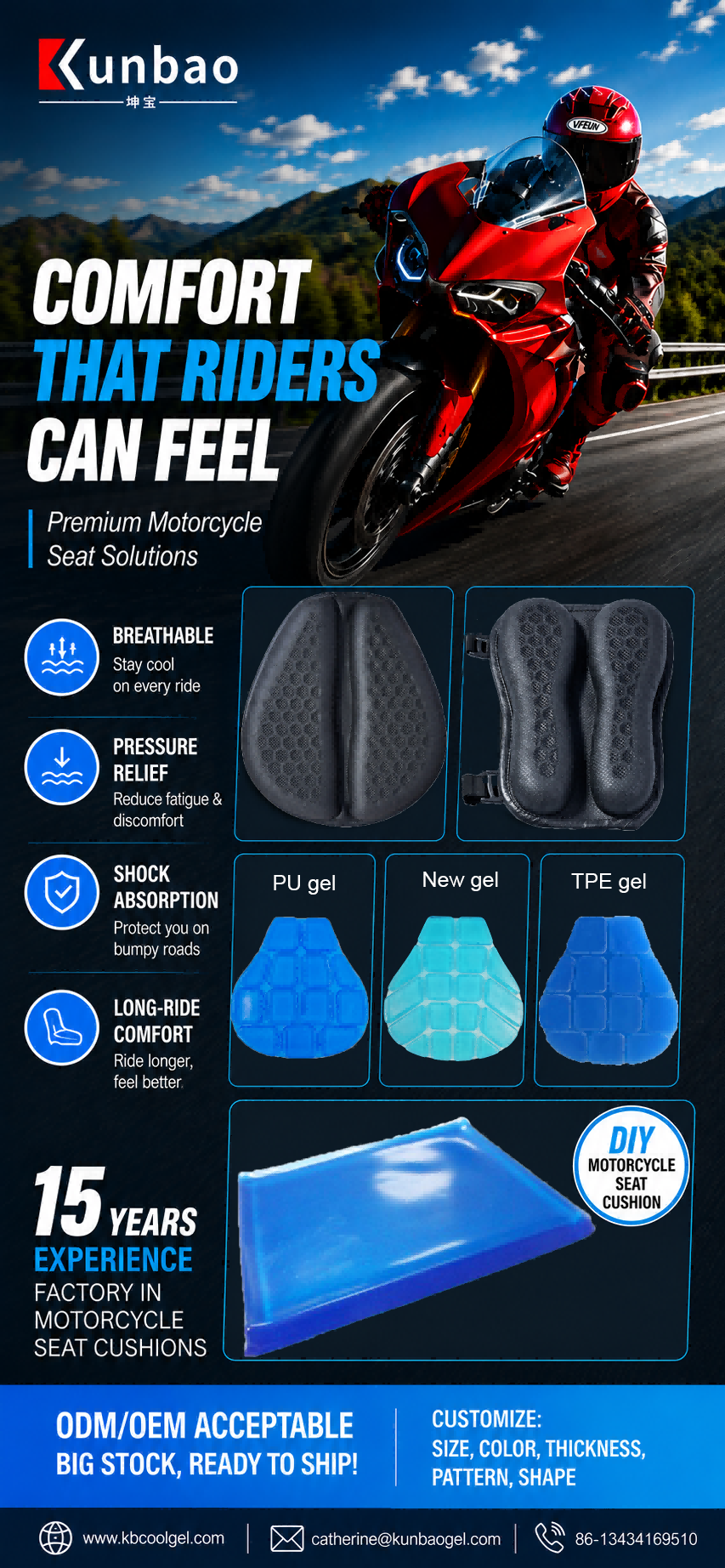
Gel, air, and memory foam sound like three distinct technologies, but once you strip away the glossy product pages, the differences are less dramatic than the names suggest. Most “gel” foams are just conventional polyurethane foam with heat-conducting additives or a thin gel layer. That does not actively cool you; it can only slow how quickly body heat builds up. “Air” usually means the foam has a more open cell structure or molded channels, which helps with breathability and has a modest effect on how the surface feels, but it is not a cooling system on its own.
Memory foam itself varies far more by density, firmness, and recovery speed than by whether it is labeled as gel-infused or air-channeled. A dense, slow-recovering foam will feel different from a lighter, faster-recovering one even if both use the same buzzwords. If you want to compare honestly, pay attention to foam density, thickness of any gel layer, and whether the cover actually allows air to move. Those details tell you more than a name ever will.
Why a Wider Tailbone Channel Stops the Numbness
Numbness in the saddle usually starts when body weight presses the soft tissue around the tailbone against a firm surface. That pressure chokes off small blood vessels and compresses nearby nerve branches, so the area gradually goes quiet and tingly. A wider tailbone channel changes the contact map: instead of the coccyx and the tissue directly under it taking the load, the pressure shifts outward toward the sit bones, which are far better suited to carrying weight for long stretches.
The extra width also lets the pelvis settle without the tailbone touching the saddle on every small shift in position. Because the channel leaves more room for movement, there is less constant pinching and less friction buildup around the lower spine. Blood keeps moving through the area, and the nerves are not forced into the same compressed state minute after minute. That is what turns a numb, dead-leg feeling into a ride where sensation stays normal from start to finish.
Soft Cushions Can Actually Make Long Rides Worse
A plush saddle feels great for the first ten minutes, but that early softness hides a support problem. Once the foam compresses, it starts pressing upward into soft tissue instead of letting your sit bones carry the load. After a few hours, that squeeze becomes numbness and soreness that a more supportive shape would have avoided.
The issue gets worse on rough pavement. An overly soft cushion soaks up pedal stroke and road vibrations unevenly, so your hips rock with every bump instead of staying planted. All that small, constant adjusting exhausts the lower back and leaves you squirming long before the ride should feel difficult.
Adding extra padding often feels like the obvious fix, but the real cure is usually less foam and a better profile under your anatomy. When the base is stable, your weight stays on the bones built for sitting, and the saddle stops quietly working against you mile after mile.
The 30-Minute Reshape That Costs Less Than a Tank of Gas
Most people assume reshaping a body takes months of gym sessions and expensive gear. But there's a simpler route that fits into a lunch break and costs about the same as a midweek fill-up. Thirty minutes of focused, no-equipment movement can shift how your clothes fit faster than you'd expect.
The trick isn't grinding through another generic routine. It's pairing short bursts of tension with longer rest windows, so each set pushes your muscles without wrecking your joints. You don't need a trainer yelling at you or a mirror-lined studio. A strip of floor, a timer on your phone, and a willingness to feel a little uncomfortable get the job done.
And because the whole thing runs under half an hour, it's easy to do three or four times a week without rearranging your life. One tank of gas might get you to the gym and back once. The same money spent on nothing but your own bodyweight can buy you a month of visible change, if you actually show up.
Long-Haul Riders on What Finally Fixed the Saddle Pain
Most riders who spend six or more hours in the saddle will tell you the same thing: the fix rarely comes from one single swap. A saddle that felt fine at mile thirty can turn hostile by mile ninety, and the culprit is often a slow creep of fatigue that changes how you sit. What made the difference for many long-haul cyclists was a combination of moving the cleats back a few millimetres, dropping the nose of the saddle just slightly, and learning to read the early warning signs instead of pushing through them.
Another pattern that shows up again and again is that thick padding backfires. A heavily cushioned saddle or multiple padded shorts can bunch up and create hot spots that soft tissue can't escape. Plenty of endurance riders ended up with less pain after switching to a firmer platform and a single well-made chamois, then using a small amount of chamois cream applied to the skin rather than the short. The shift feels counterintuitive at first, but it lets the sit bones carry the load while the softer areas stay clear.
Bike fit tweaks also matter more than the saddle itself once the distance goes up. A reach that is too long rolls the pelvis forward and presses the perineum into the nose, while a saddle set too high forces the hips to rock side to side. Riders who finally resolved the pain often mention standing out of the saddle for thirty seconds every twenty minutes, adding core work off the bike, and never making a big change right before a long event. Small, tested adjustments over several weeks beat a desperate last-minute swap.
FAQ
Prioritize a design with a cutout or channel running through the center. That gap removes direct pressure from the tailbone and lets air move through, which matters more on humid days than most people expect. A firmer border around the cutout also stops the cushion from collapsing under your weight.
Gel does resist heat buildup better than plain foam for a while, but it eventually warms up from body contact. What helps more is a cover that breathes and a shape that doesn't trap sweat. If cooling is a real priority, look for a pad with perforations or a mesh cover rather than relying on gel alone.
Not always. Extra thickness can push you higher on the bike, change your knee bend, and make you feel less planted. A thinner pad with the right density often works better because it spreads pressure without altering your riding position. Fit with your existing seat matters more than raw padding height.
Yes, as long as the passenger seat is wide enough to keep the cushion stable. Measure the seating area first and check that the straps won't interfere with grab rails or the rider backrest. Some riders also trim the straps or use non-slip mesh underneath to stop the pad from shifting when braking.
Memory foam tends to absorb small road buzz well once it warms up, but it can feel dead or slow to recover. Gel handles impact spikes better and keeps its shape longer through a ride, though it adds weight. A layered pad that puts gel on top and foam underneath usually balances both without becoming overly bulky.
Start by tightening the straps so the pad doesn't lift at the front, but avoid cranking them so hard they distort the shape. A piece of rubberized shelf liner or a dedicated non-slip mesh under the pad helps more than tighter straps. Check the front and rear of the cushion after a few miles and adjust from there.
It can, especially if the pad is thick or sits you farther from the tank. Even half an inch changes your leg extension. If you already struggle to flat-foot, choose a slimmer pad or one with a sculpted nose so most of the padding stays under your sit bones instead of raising the whole seat.
For riders who do multi-day trips or deal with pressure points, an air cushion is often worth it because you can fine-tune the firmness each day. For shorter commutes, a good foam or gel pad may be all you need. The real value depends on how much time you spend in the saddle, not just the price tag.
Conclusion
Most stock motorcycle seats feel acceptable on short trips, but they tend to collapse right around the time your legs and back are still willing to keep going. The foam compresses, pressure concentrates under the sit bones and tailbone, and that dull ache turns into genuine numbness. Gel, air, and memory foam pads all get marketed as quick fixes, yet the material matters less than the shape underneath it. A wider tailbone channel is one of the few changes that consistently reduces that deep tingling because it removes direct pressure from the most sensitive area instead of simply adding more cushion. Ironically, soft cushions often make long rides worse: they let the rider sink into an unstable position, compress blood vessels, and create new hot spots after an hour or two.
One of the least expensive improvements is a 30-minute reshape that costs less than a tank of gas. Riders who trace their contact patch and carefully remove or carve foam from the pressure-heavy center often notice an immediate difference without buying a whole new saddle. Long-haul riders tend to say the real fix is not a single product but a combination of a firm, shaped base, a channel that spares the tailbone, and small adjustments to seat angle or height. The goal is to spread weight across the thighs and sit bones while keeping the perineum and tailbone unloaded. That approach does more for a smooth, pain-free ride than chasing the thickest pad or the latest material trend.
Contact Us
Contact Person: Catherine Peng
Email: [email protected]
Tel/WhatsApp: +86-13434169510
Website: https://www.kbcoolgel.com/