

Best Air Handling Unit Options for Superior Indoor Air Quality
2026-10-12
Indoor air quality often gets overlooked until the moment it starts affecting comfort and health. While many focus on thermostats or filters, the true backbone of a well-ventilated space is the air handling unit. Choosing the right AHU can mean the difference between stale, humid air and a crisp, consistently fresh environment. For facilities aiming to balance energy efficiency with superior air delivery, shairko offers systems engineered to handle demanding conditions without unnecessary complexity. This guide cuts through the noise to highlight the most practical AHU options for achieving genuinely cleaner indoor air.
Rethinking Ventilation Beyond Basic Filtration
Most homes lean on filters to catch dust and allergens, but that only handles part of the air quality equation. Ventilation itself deserves more attention because it dilutes the pollutants no filter can trap—carbon dioxide from breathing, volatile organic compounds off-gassing from furniture and cleaners, and excess humidity that invites mold. Even a high-efficiency filter won't make stale air feel fresh if there's no exchange with the outdoors.
Instead of chasing a higher MERV rating as the sole fix, think about how air actually moves through a space. Balanced systems with a dedicated fresh air intake, or even simple exhaust fans in bathrooms and kitchens, can pull out moisture and odors before they settle into surfaces. On days with mild weather, opening windows for cross-ventilation can outperform any filter by replacing the entire room's air in minutes.
The real baseline isn't filtration—it's steady turnover of indoor air. Without that exchange, humidity climbs, CO2 accumulates, and the space starts to feel heavy even if the filter is spotless. Ventilation should be treated as the foundation, with filtration serving as an extra layer for particle control, not the primary strategy.
Energy Recovery Without the Stuffy Air Trade-Off
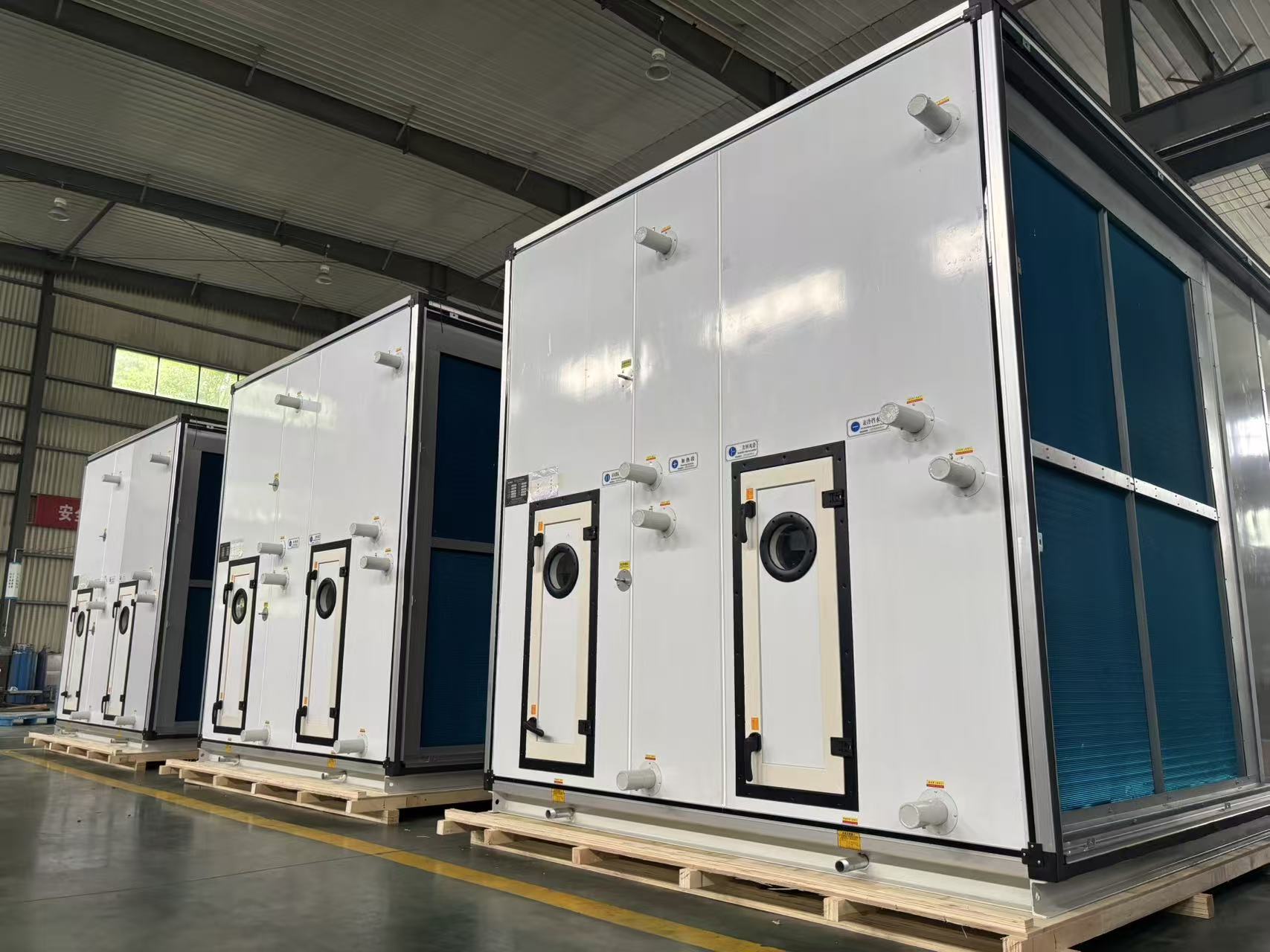
Most energy-saving fixes come with a hidden cost: seal the building tight and you trap stale air inside. That stale-air feeling—humid, slightly warm, and low on oxygen—is exactly what energy recovery ventilation is designed to eliminate. Instead of simply blocking airflow to save heating or cooling, these systems pull the useful thermal energy out of the exhaust stream and hand it over to the incoming fresh air, without letting the two airstreams mix.
In a cold climate, the outgoing warm air preheats the cold fresh air coming in, so you get continuous ventilation without dumping all that heat outdoors. In hot, sticky weather the process reverses: stale cool air chills the incoming outdoor air and helps strip out some of the humidity before it reaches your living space. That means no musty corners, no CO2 buildup, and no need to crack a window just to feel awake again.
The real shift is moving away from the old either-or thinking: you don't have to choose between a tight, efficient home and one that actually breathes. With heat-exchange cores doing the heavy lifting, fresh air flows at a steady rate while the energy bill stays in check. It's a quieter, less obvious kind of comfort—you notice it most in the middle of winter when the air inside still feels clean and light, even with every door and window shut.
Modular AHUs That Fit Tight Mechanical Rooms
Mechanical rooms rarely offer extra square footage, which makes traditional air handling units a headache during retrofit or replacement. Modular AHUs solve this by breaking the unit into sections that can be carried through standard doorways, down stairwells, or onto crowded floors. Instead of cutting holes in walls or scheduling crane lifts, contractors assemble the modules on site in the actual space available.
The real benefit shows up in layouts that were never designed for modern equipment. Tight clearances around piping, ductwork, and electrical panels leave little room to maneuver a factory-built unit. With modular construction, each section is sized to pass through narrow corridors and make tight turns. Once inside the mechanical room, sections bolt together quickly, often using flanged connections and integrated gaskets that reduce the need for field fabrication.
This approach also opens up selection options. You can match coil size, fan type, and filter sections to the existing footprint rather than settling for an undersized unit just because it fits through the door. The result is a system that meets airflow and cooling requirements without forcing costly structural changes or extended downtime.
Humidity Control as a Quiet Air Quality Ally
Most people only notice indoor humidity when it becomes a nuisance—fogged windows, clammy skin, or that musty smell in the basement. Yet the same moisture levels that cause these annoyances also shape the invisible chemistry of your air. When relative humidity drifts above 60%, dust mites multiply, mold spores release, and volatile organic compounds linger longer. Keeping moisture in a comfortable mid-range isn't just about comfort; it's a passive but powerful way to keep air contaminants from gaining a foothold.
A well-tuned humidity control system works behind the scenes, adjusting moisture without a sound. Unlike air purifiers that need filters replaced or fans that hum in the background, a dehumidifier or whole-home ventilation setup can run almost unnoticed. This quiet operation makes it easy to forget it's there—yet its effects show up in fewer allergy flare-ups, less condensation on windows, and a fresher feel to every room. It's a reminder that sometimes the best air quality tools are the ones you never hear.
Pairing humidity control with other strategies amplifies its benefits. For instance, maintaining 40–50% relative humidity helps your HVAC system work more efficiently, prevents warping of wood floors, and reduces the need for aggressive cleaning chemicals. It's a low-effort, high-reward approach that treats air quality not as a single gadget but as a system. The quiet ally in your utility closet may do more for your lungs than you realize.
Smart Sensors That Respond to Real Occupancy
Most motion detectors still rely on a simple trigger: something moved, so the lights stay on. That logic breaks down fast in a conference room where people sit still for an hour or a hallway where a passing cart keeps a whole floor lit. Newer smart sensors flip the approach by measuring actual occupancy rather than just motion events. They pick up breathing, body heat, and even the subtle shifts in air pressure that happen when someone is genuinely present. This means the room knows the difference between a lingering heat signature from a laptop and a person settling into a chair.
What makes these sensors stand out is the way they combine signals instead of relying on one imperfect detection method. A camera might see an empty chair, but a CO2 sensor can still register the gradual rise that comes from exhaled breath. A passive infrared sensor might go quiet when people are still, but a millimeter-wave radar unit keeps tracking micro-movements through clothing and furniture. By fusing those inputs, the system can adjust ventilation, lighting, and even desk booking without being fooled by a sun-warmed window or a forgotten coat.
Building managers notice the difference in quieter ways. Lights no longer switch off during deep-focus work, and meeting rooms stop showing as occupied when only a bag and a coffee cup remain. The sensors also reduce the constant on-off cycling that wears out equipment and irritates occupants. Over time, the data reveals which spaces actually get used, so real estate decisions follow behavior instead of headcount estimates.
Material Choices That Keep Air Paths Cleaner
Selecting the right materials for air handling components goes beyond basic filtration efficiency. Smooth, non-porous surfaces on ducts, seals, and connectors naturally discourage the buildup of dust, moisture, and microbial films. For instance, closed-cell elastomeric insulation and internally lined sheet metal with antimicrobial coatings reduce the microscopic crevices where contaminants typically lodge. This means less frequent deep cleaning and a steadier airflow over time.
Polymers and composites are redefining what it means to keep an air path clean. Unlike traditional fiberglass liners that can shed particles or absorb humidity, advanced thermoplastics and epoxy-lined aluminum resist corrosion and thermal expansion without releasing fibers. Their inherent low-surface-energy characteristics make it harder for particulate matter to adhere, so even in high-velocity systems, the pathway remains smoother and easier to maintain.
Pairing material selection with practical design choices amplifies the benefit. For example, using seamless gaskets made from silicone or EPDM instead of porous foam prevents air bypass and hidden mold growth at joints. When combined with rounded duct transitions and sloped drain pans, these materials help ensure that condensation and debris are quickly evacuated rather than accumulating. The result is a quieter, healthier system that rarely needs aggressive chemical cleaning.
FAQ
Start with a MERV 13 or 14 primary filter for fine particles, then add a deep-bed carbon stage if outdoor air has vehicle exhaust or industrial VOCs. Don't just chase the highest MERV rating—each extra stage increases static pressure, which can cut airflow and reduce actual air changes per hour. A better approach is to check the fan curve and make sure the selected filters leave enough static pressure reserve for loading between changeouts.
It depends on the coil design and chilled water temperature. An AHU with a deep cooling coil and low airflow face velocity can pull out substantial moisture, but only if the supply water is cold enough and the control sequence allows the coil to stay active during part-load conditions. For spaces with high occupant density or outdoor air fractions above 30%, a dedicated outdoor air system or desiccant wheel often works better than forcing a standard AHU to do the job.
The biggest culprits are usually uncalibrated differential pressure sensors, condensate pans with standing water, and filter racks that don't seal at the edges. A sensor that drifts by 25 pascals can cause the unit to bring in far less outdoor air than the controls display. Biofilm in the drain pan can release microbial volatile organic compounds into the supply air. Checking bypass gaps around filters with a smoke pencil during routine service catches problems that visual inspection misses.
A rotary wheel transfers both heat and moisture, which is great for reducing peak cooling loads, but it also can carry a small fraction of exhaust contaminants back into the supply stream. In a hospital or lab, that cross-contamination risk usually rules out a wheel unless there's a purge section and careful pressure management. For offices and schools, a properly purged wheel is acceptable and can even help keep indoor humidity stable, but you need to monitor the seal and drive belt because slippage quietly increases contaminant carryover.
Continuous low-speed operation almost always wins for IAQ because it keeps air moving through filters and prevents pollutants from accumulating during unoccupied hours. The downside is that if the cooling coil is oversized, low airflow can lead to poor dehumidification and elevated indoor humidity. A good middle ground is to schedule a purge cycle two hours before occupancy and lower the fan speed at night, but not shut it off completely.
Oversizing is more common than undersizing and just as harmful. An oversized AHU short-cycles, so the cooling coil never stays cold long enough to remove moisture, and the filter velocity is too low to capture smaller particles effectively. Undersizing, on the other hand, forces the fan to run at maximum speed, which can pull unfiltered air through any leak in the return duct. The fix is to size the unit for the actual sensible and latent loads at design conditions, not by a rule of thumb.
They let the AHU bring in more outdoor air only when people are actually present, which avoids the stale feeling of underventilation and the high energy cost of overventilation. The key is sensor placement—CO2 sensors near return air grilles give a good average, while wall-mounted sensors in meeting rooms can be fooled by local breathing. Calibration drift is a big issue, so auto-zeroing sensors or annual recalibration are essential. When set up well, demand control can improve IAQ by preventing the unit from cutting outdoor air during partial occupancy.
Look for native support for filter pressure monitoring, dew point control, and outdoor air damper feedback. A unit that only offers supply air temperature reset will not protect IAQ on its own. You want the ability to set a minimum outdoor air fraction, track filter loading trends, and trigger an alarm when the return air CO2 or humidity drifts outside the expected band. Open protocols like BACnet or Modbus make it easier to integrate these points with a building management system, but the real value is having the right sensors installed from the factory rather than added as an afterthought.
Conclusion
Modern air handling units have moved well past simply pushing air through filters. The strongest designs now treat ventilation as a dynamic process, pairing high-efficiency filtration with demand-controlled airflow that responds to actual occupancy rather than fixed schedules. This shift matters in spaces where people gather irregularly—conference rooms, classrooms, open offices—because it cuts both energy waste and the buildup of stale air. Equally important is how the unit handles moisture. Quiet, integrated humidity management keeps relative humidity in the comfortable 40–60% band, which not only prevents mold and dust mite growth but also makes the air feel fresher at the same temperature. When evaluating options, look for coils and drain pans engineered for easy cleaning and long-term drainage, as these details directly reduce the risk of microbial growth inside the unit itself.
Energy recovery is another area where thoughtful design pays off. Enthalpy wheels or plate exchangers can transfer both heat and moisture between exhaust and supply streams, preserving indoor humidity levels without making the space feel stuffy. For older buildings or tight mechanical rooms, modular AHUs with compact footprints and configurable sections allow a high-performance system to fit where a traditional unit never could. Manufacturers are also paying closer attention to interior materials—smooth, non-porous liners, sealed seams, and antimicrobial coatings on accessible surfaces help keep air paths cleaner over time. When these features are paired with smart sensors that detect CO2, volatile organic compounds, or particle spikes, the AHU becomes a responsive partner in maintaining indoor air quality, rather than a fixed-speed box that runs blindly. The best options combine all of these elements without requiring constant manual intervention, so building operators can trust the air even as conditions change throughout the day.
Contact Us
Contact Person: Crystal
Email: [email protected]
Tel/WhatsApp: 8613524235353
Website: https://www.airkohvac.com