

Aluminum Boat Manufacturers: Choosing the Right Builder for Your Needs
2026-06-24
Selecting the right aluminum boat builder can feel overwhelming, but your choice defines every adventure on the water. Whether you prioritize durability, customization, or performance, the manufacturer you pick must align with your unique needs. Among the many options, Allheart stands out for its commitment to craftsmanship and innovation, but how do you know if it’s the right fit? In this guide, we’ll cut through the noise and explore what truly matters when choosing a builder, so you can navigate the market with confidence and set sail without regrets.
Defining Your Aluminum Boat Requirements
Before you even glance at a catalog, spend some time where you'll actually use the boat. The water you frequent shapes everything—from hull design to engine choice. A shallow, rocky river demands a lightweight jon boat with a tough bottom, while open bays require deeper V-hulls that cut through chop. There's no universal all-rounder, no matter what the glossy brochures suggest. Think about your typical day: are you casting lines in tight coves, pulling a tube for the kids, or commuting to a cabin? Write it down. The more honest you are about your real habits—not the aspirational ones—the better your final match will be.
Numbers can mislead you if you fixate only on passenger capacity plates. A 16-footer rated for six people might technically hold them, but that doesn't mean you'll have room for a cooler, rods, or a comfortable casting deck. Layout eats space fast. Walk through your routine: where does gear go when it's not in your hands? Could you actually stand and fight a fish without tripping over a seat pedestal? Think about storage that's both accessible and dry, and consider whether you'll want to add a trolling motor down the line. Aluminum boats often gain personality through small modifications, so don't box yourself in with a layout that can't evolve.
Price tags at the dealership rarely tell the full story. Beyond the hull, motor, and trailer, you'll face registration, insurance, safety gear, and possibly slip fees or a tow vehicle upgrade. A bargain-priced boat that needs a new outboard three years in is no bargain at all. Factor in long-term care, too—aluminum resists rot but still requires cleaning, anode replacement, and occasional sealing to prevent galvanic corrosion. Overestimating your mechanical skills can cost more than the initial savings, so be realistic about how much wrenching you're willing to learn. A well-matched boat feels effortless down the road; a poor fit just collects dust or drains your wallet silently.
Assessing Craftsmanship and Material Quality
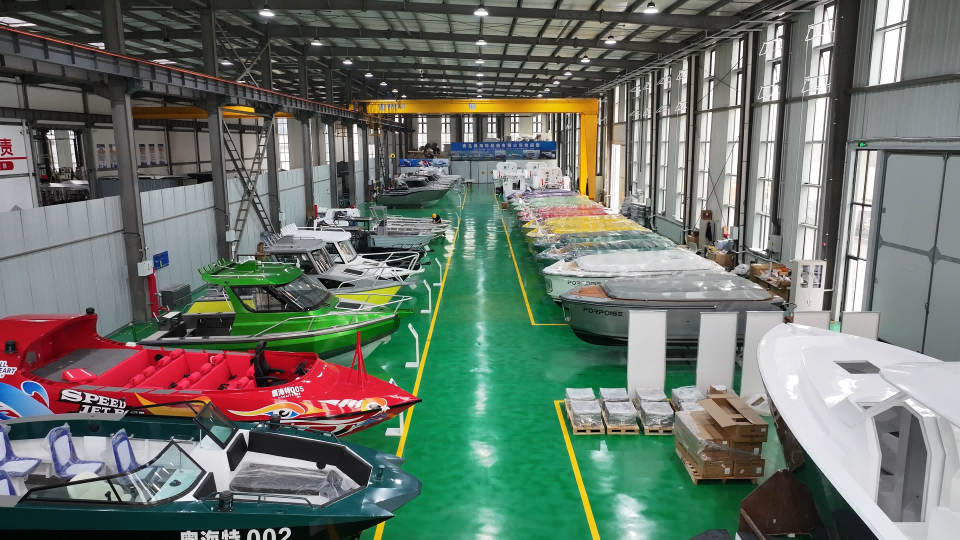
Close inspection of the seams, edges, and joinery often reveals the true skill behind a piece. A well-made item will have consistent, tight stitching without loose threads, while finely finished wood surfaces feel smooth and free of rough patches. Run your fingers along metal components—any sharp burrs or uneven coatings suggest rushed production. The weight and balance of an object can also hint at its internal construction, as quality materials tend to distribute heft more evenly than cheaper alternatives.
Material authenticity is harder to fake when you know what to look for. Genuine leather, for example, develops a distinctive patina over time and will bear slight imperfections like grain variation or natural scarring. Solid woods show continuous grain patterns across edges, unlike veneers that abruptly change direction. With textiles, the thread count and fiber length contribute to both softness and durability—longer fibers resist pilling and hold dyes more consistently. Even the scent can be telling; high-grade materials often lack the chemical odor found in lower-quality synthetics.
Beyond surface appeal, consider how the item ages. Premium materials and solid construction tend to mature gracefully, acquiring character rather than defects. A leather bag might soften and darken attractively, while a poorly treated one cracks or peels. Similarly, raw denim fades uniquely to the wearer’s movements, whereas heavily processed fabrics can lose color unevenly. Examining these long-term behaviors gives you deeper insight into the care and thought invested during manufacturing.
Customization Capabilities That Set Builders Apart
Top-tier builders distinguish themselves by moving far beyond cookie-cutter designs, offering customization that reshapes spaces to match the way people actually live. Instead of picking from a limited set of finish packages, clients collaborate on layouts, structural tweaks, and integrated features that anticipate future needs. This kind of flexibility often includes reimagining room flow, adding dedicated hobby areas, or embedding technology that disappears into the architecture.
The real difference shows up in the details most firms treat as afterthoughts. Custom millwork tailored to a family’s storage quirks, outdoor living zones that account for local weather patterns, or workshop spaces wired for specific equipment—these aren’t just upgrades; they’re built into the blueprint from day one. The result feels intuitive, as if the home grew organically around its occupants, rather than being assembled from a catalog.
Achieving this level of personalization demands a process that’s more like a dialogue than a transaction. Builders who excel here invest time early on to understand daily routines, aesthetic preferences, and even future lifestyle shifts. They pair that insight with a deep bench of skilled tradespeople who can execute unconventional ideas without losing sight of durability. The outcome is a home that doesn’t just stand apart in photos but genuinely works better for the people inside it.
Behind the Scenes: Warranty and After-Sale Support
When something goes wrong, the real measure of a brand is how quietly and quickly they make it right. A solid warranty isn't just a document; it's a promise that you won't be left stranded. We've seen too many companies bury the details in fine print, but here the terms are refreshingly straightforward. Whether it's a manufacturing defect or unexpected glitch, the process kicks in without the usual runaround. You're not just a ticket number — there's a genuine effort to understand the issue and get you back on track.
What often gets overlooked is the human side of after-sale support. It's not about scripted replies that feel like they came from a chatbot. Our experiences show a team that actually listens, asks the right questions, and treats your product as if it were their own. No one likes jumping through hoops, so the system is designed to cut through the noise. From the first message to the final resolution, there's a consistency that builds trust, making you feel like you've got someone in your corner.
The machinery behind the scenes rarely gets the spotlight, but it's where reliability is earned. Warehouses stocked with genuine parts, technicians who know the product inside out, and a logistics network that doesn't keep you waiting — all of that matters when you're in a bind. It's the difference between a panicked call and a calm update. They won't shout about it in marketing campaigns, but this quiet capability is exactly why some customers stay for years without ever thinking of switching.
Real-World Reviews and Reputation Checks
When you dig into what people are actually saying about a company, patterns start to emerge that no polished marketing page can hide. For instance, a business might boast about 24/7 support, but a quick scan through recent complaints often reveals customers waiting days for a response. Those real-world voices, scattered across forums and feedback sites, paint a far more honest picture.
Taking the time to manually sift through reviews—both the glowing and the scathing—gives you a feel for a brand's consistency. You might notice that while a product works great for some, it consistently fails for a specific use case. These nuances rarely make it into the star rating, but they can make or break your decision.
Beyond the star ratings, there's a lot to learn from how a company handles criticism. A thoughtful reply to a negative review can reveal more about their values than a dozen five-star endorsements. Watching these interactions unfold in the wild is often the closest you'll get to a trial run before committing.
Balancing Budget with Long-Term Value
The appeal of a low price tag can be misleading when you factor in durability and ongoing costs. A budget-friendly option that needs frequent repairs or replacement often ends up costing more than a pricier, well-built alternative. For instance, a cheap office chair might save money initially, but if it breaks within a year and causes back pain, the hidden expenses—replacement fees, lost productivity, even health bills—erase any upfront savings. Making a purchase based solely on the price sticker is like judging a book by its cover; you miss the full story of what you’re actually paying for.
Long-term value comes from evaluating how a decision will age. Instead of asking “Can I afford this now?” the better question is “Will this hold its worth?” This might mean choosing modular technology that can be upgraded piece by piece, or leasing equipment that includes maintenance to avoid surprise repair bills. Sometimes, it’s about saying no to cheap short-term wins that create dependency. A marketing campaign built on quick clicks might spike traffic but fail to build brand loyalty, whereas content that truly educates customers grows trust and reduces the cost of future sales. Budgeting isn’t just about limiting spend; it’s about placing bets where the payoff compounds.
FAQ
Beyond the obvious credentials, dig into their weld quality—look for smooth, consistent beads with minimal spatter. Ask about their aluminum sourcing: marine-grade 5086 or 5052 alloys are non-negotiable for saltwater use. A builder who offers a transparent factory tour or detailed build photos usually has nothing to hide.
If you need a boat that works with your exact fishing style or local conditions—like a shallow draft for flats or a reinforced hull for rocky shores—a custom builder is your answer. But be ready to be involved: the best results come from clear communication about your must-haves versus nice-to-haves, and a willingness to wait for quality.
Aluminum is tougher than people think—it can take a hit that would crack fiberglass and just dent. It’s also lighter, which often means better fuel economy and easier trailering. But the real unsung benefit? It’s immune to osmotic blistering, so maintenance is largely wash-and-go, not gelcoat repair.
Local builders often understand regional waters better—a Pacific Northwest builder knows how to handle big swells and rain, while a Gulf Coast shop designs for heat and shallow bays. Plus, it’s easier to build a relationship and handle warranty work without a cross-country haul.
Go beyond the years. Ask what’s actually covered: does it include welds, materials, and workmanship? What about transferability if you sell? And crucially, ask current owners how the builder handled claims—fast and fair is worth more than a long document full of loopholes.
Absolutely. Smart layouts can swap from fishing platforms to cushy lounges with modular seating. Look for builders who integrate rod holders into family-friendly gunwales, use non-skid that’s grippy but kind to bare feet, and think about shade—a well-designed T-top makes everyone happier.
Quality aluminum boats hold value remarkably well—sometimes better than fiberglass. Key factors: a respected builder’s reputation, clean documentation of care (no corrosion), and timeless design. Avoid overly trendy layouts; a classic center console or tiller setup ages gracefully.
Conclusion
Choosing the right aluminum boat manufacturer starts with a clear understanding of your specific needs—whether it's for commercial fishing, recreational cruising, or rugged workboats. Begin by defining your boat's size, intended use, and essential features such as hull design, deck layout, and weight capacity. From there, evaluate builders based on their craftsmanship: look for marine-grade 5086 or 5052 aluminum, precise welding with minimal distortion, and robust structural reinforcements. Top-tier manufacturers distinguish themselves through customization capabilities, allowing you to tailor everything from console design to storage solutions, ensuring the boat fits your exact operational requirements rather than settling for a one-size-fits-all model.
Beyond the build itself, reliable after-sale support and warranty terms are vital indicators of a manufacturer's confidence in their product. A comprehensive warranty covering hull and components, combined with responsive service networks, protects your investment long-term. Real-world reviews from fellow boaters offer unfiltered insights into durability and customer experiences, helping you avoid costly mistakes. Finally, balance your budget not just on upfront cost, but on long-term value—consider resale potential, fuel efficiency, and maintenance expenses. A well-built aluminum boat from a reputable builder may cost more initially, but it often proves far more economical over years of dependable service.
Contact Us
Contact Person: Benny Hu
Email: [email protected]
Tel/WhatsApp: +8618354225697
Website: https://www.allheartmarine.com/