

ABB Electromotor Wholesalers Worth Partnering With for Long-Term Supply
2026-11-29
Sourcing ABB electromotors at wholesale prices often feels straightforward until supply delays, inconsistent stock, or weak after-sales support start disrupting your production schedule. A reliable long-term partner is rarely about the lowest quote; it is about who can keep critical motor categories available when demand spikes. That distinction matters when you are comparing ABB electromotor wholesalers. Among the names worth shortlisting, Soochee has built its reputation around steady inventory access and responsive support, making it a practical reference point for buyers who need more than a one-time transaction.
What a Strong ABB Electromotor Wholesaler Actually Stocks
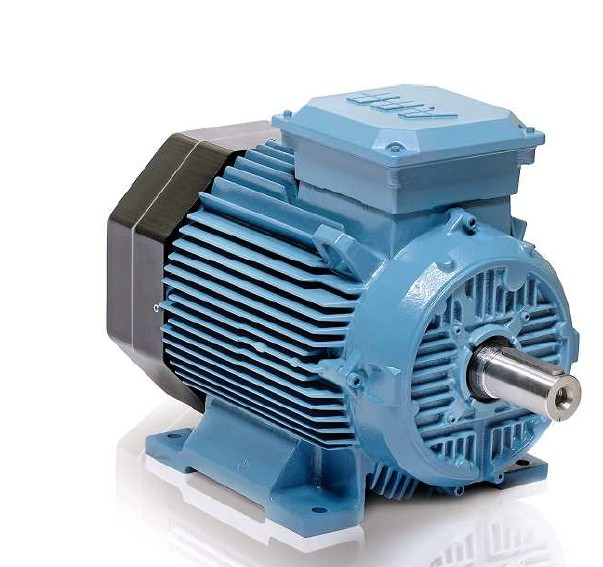
A genuinely strong ABB electromotor wholesaler keeps more than glossy brochures and a few fast-moving frame sizes on the shelf. The inventory usually runs across cast iron and aluminium ranges such as the M2BAX, M3BP and M3AA lines, with IE2, IE3 and IE4 efficiency classes represented in a practical spread of pole counts and mounting arrangements. You will find B3, B5 and B35 configurations alongside brake motors, two-speed units and motors wound for variable speed drive duty, which matters when a replacement has to fit into an existing machine without re-engineering the drivetrain.
What separates a real stockholding operation from a box mover is the depth around the motor itself. A credible wholesaler carries terminal boxes, terminal boards, fans, fan covers, flanges, bearings, seals and conversion kits in the same facility. That means a standard motor can be converted to a different mounting style or fitted with a 24 V DC brake on the same day instead of after a multi-week factory lead time. Some also retain slower-moving parts for older ABB series, because plants rarely replace an entire line just because one motor frame has been discontinued.
The inventory should also be physically verifiable. Strong wholesalers know the location, serial number and test status of each stored unit, and they can supply the factory test report, dimension drawing and electrical data before dispatch, not after payment. Their stock list reflects units actually sitting in the warehouse rather than an aggregated catalogue of items that can be ordered, and that distinction becomes obvious when a critical motor is needed for a weekend shutdown repair.
Technical Knowledge That Goes Past the Data Plate
A nameplate gives you the basics—voltage, horsepower, maybe a serial number—but the real work starts when you ignore it. Skilled technicians learn to read the subtle clues that sit outside the stamped digits: the way a motor sounds under partial load, the faint smell of overheated varnish, the slight wobble in a shaft that a spec sheet never mentions. These are the details that come from years of standing next to running equipment, not from a manual.
That deeper understanding often means questioning what the plate implies. A pump rated for a certain flow may behave completely differently when the piping layout changes, or when the fluid is thicker than the design assumed. Good troubleshooters know that the rated efficiency is just a starting point, and that real performance lives in the gap between textbook curves and what the gauges actually show on a Tuesday afternoon.
In the end, it is about building a mental library of exceptions. One machine may run hot for reasons that have nothing to do with its stated insulation class. Another may trip a breaker only when the ambient humidity climbs. The data plate tells you what the component was built to do; hard-won technical knowledge tells you what it is actually doing, and why.
Lead Times Worth Trusting When Production Is at Risk
A delivery date only means something when the person giving it can explain what happens if one operation slips. The suppliers worth keeping are the ones who walk through their bottleneck work centers, current queue lengths, and incoming material checks before quoting a date. They talk about ranges first and commit to a single day later only when they know which orders are ahead of yours.
Under pressure, the useful lead times tend to come from teams that ask uncomfortable questions about your demand timing, tooling condition, and whether partial shipments help. That back-and-forth can feel slower at first, but it usually reveals whether a date is anchored to floor reality or just to a spreadsheet. You start to trust numbers that get revised early, with a reason attached, more than numbers that arrive polished and then quietly move twice.
The test is rarely about hitting every date; it is about how clearly trouble is surfaced before it becomes your emergency. A production team that updates you on a rerouted batch or a short-staffed weekend shift without being chased is giving you something closer to a plan than a promise. That distinction is what keeps your own commitments from turning into guesses.
Pricing and Payment Terms That Help Repeat Buyers
A repeat buyer rarely needs another discount that expires before they finish reading the email. Instead, the pricing structure should make the next purchase feel obvious. That can mean a modest automatic rebate after a set number of orders, a lower per-unit price once someone buys more than a sample size, or a standing customer rate that quietly applies at checkout without a promo code. The less effort it takes to see the savings, the more likely the buyer is to come back without negotiating.
Payment terms matter just as much as the headline price when orders get larger. Offering net-30 or net-60 terms to buyers with a clean history removes friction for businesses that need to manage cash flow between receiving goods and getting paid themselves. It also signals trust. Even a simple split-payment option at the cart level can convert a hesitant second order into a routine one, especially for high-value or bulk purchases.
What usually backfires is a loyalty program that asks customers to jump through hoops or a pricing page full of asterisks and conditions. A better approach is boringly transparent: show the exact price, keep recurring shipping costs predictable, and let the repeat discount grow with purchase history rather than with points that expire. Buyers remember clarity longer than they remember a one-time coupon.
Replacement Handling After a Motor Goes Down
When a motor fails unexpectedly, the first instinct is often to rush a new unit into place. That urgency can create blind spots. A better starting point is to treat the replacement as a short project with its own checklist: verify the true cause of failure, confirm voltage and load requirements, and inspect the mounting surface for damage. Skipping these steps often means the second motor inherits the same problem that killed the first one.
Inventory choices matter more than most teams admit. Storing an identical spare motor saves time, but only if the spare is rotated, tested, and protected from moisture or bearing flat-spotting. If a direct replacement isn't available, don't force a close-enough unit into service. Compare frame size, service factor, insulation class, and shaft dimensions before ordering. A mismatched motor can run, but it may run hot, vibrate, or trip overloads within days.
After installation, the real handling begins. Run the motor unloaded for a short period while checking current draw, bearing temperature, and unusual noise. Then ramp up gradually under normal load. Document the replacement date, vendor, and any adjustments made. That record becomes the foundation for deciding whether the failed motor gets rebuilt, scrapped, or used as a training aid. In the end, smooth replacement handling means less downtime on the next failure.
Long-Term Partnerships That Survive Shifting Demand
The most resilient supplier relationships are not measured by a single quarter's volume, but by the flexibility built into everyday operations. When demand spikes or contracts unexpectedly, partners who have shared demand forecasts, production schedules, and contingency buffers can adjust without renegotiating every term. This kind of transparency turns abrupt change from a crisis into a scheduling problem.
Contracts that survive volatility tend to include tiered capacity commitments and mutual adjustment clauses, rather than rigid minimums or fixed delivery windows. A manufacturer facing a sudden drop in orders might shift to smaller batch runs or delayed shipments, while the supplier reallocates materials to other lines. Neither side treats the shift as betrayal because the agreement anticipates it. Trust grows from having practiced small adjustments long before the big one arrives.
What keeps these partnerships intact is a habit of shared risk review. Quarterly business reviews that focus on raw cost per unit miss the point; instead, partners compare pipeline forecasts, inventory positions, and customer signals. When both sides see the same early indicators of demand softening or surging, they can pull the same levers together. The partnership itself becomes the buffer against demand shocks, not a fragile layer on top of them.
FAQ
Look beyond pricing and verify whether the wholesaler is an authorized ABB partner, how long they have been handling ABB motors, and whether they can produce traceable documentation for each unit. A distributor that keeps detailed batch records and warranty paperwork tends to cause fewer surprises later.
It matters more than many buyers expect. A wholesaler with steady stock across common ABB frame sizes, efficiencies, and mounting configurations can absorb sudden demand without forcing you to wait for factory lead times. Ask about their stock-to-order ratio and how often they replenish core items.
Not necessarily. Aggressive discounting can sometimes hide gray-market sourcing, older inventory, or minimal after-sales support. For a long-term relationship, stable pricing, transparent surcharges, and realistic delivery commitments usually outweigh a short-term price advantage.
At minimum, certificates of origin, serial number verification, test reports where applicable, and clear warranty terms. For hazardous or special-duty motors, compliance paperwork should be available before shipment rather than promised after the fact.
Ask about their largest recurring clients, average monthly throughput, and how they managed past supply disruptions. A wholesaler that can describe specific allocation processes, buffer stock strategies, or emergency sourcing cases is usually more reliable than one offering generic assurances.
Yes, especially when replacing motors across multiple sites or needing duty-cycle guidance. A distributor that asks about load type, ambient conditions, starting method, and enclosure needs can help prevent ordering the wrong variant, which saves more money than a small unit discount.
Besides pricing, cover minimum stock levels, lead times, delivery windows, warranty handling, escalation contacts, and periodic price-review mechanisms. Vague terms often lead to disputes, while a clear agreement protects both sides when demand shifts or materials become tight.
Conclusion
A wholesaler worth keeping on speed dial does more than list ABB motors in a catalog. The shelves tend to carry a spread that matches real plant demand: common frame sizes, high-efficiency cast iron units, brake motors, and enough odd-voltage variants to keep a line from stalling. But inventory alone is not the differentiator. The people who answer the phone can read between the lines of a nameplate, ask about ambient heat, starting duty, or mounting position, and flag when a “like-for-like” swap is actually a compromise. That kind of judgment shows up most when a critical motor fails on a Friday afternoon and the replacement does not create a second problem.
The commercial side matters just as much once the initial quote is approved. Honest lead times, volume pricing that improves for repeat buyers, and payment terms that do not punish a plant for stocking spares all separate a transactional seller from a supply partner. When a motor goes down, the process should be straightforward: clear documentation, a fast shipping decision, and a credit path if the unit arrives damaged or misapplied. Over time, the strongest relationships bend with demand swings because the wholesaler plans inventory around a customer’s actual usage instead of chasing spot orders. That reliability, more than any single discount, is what keeps production moving year after year.
Contact Us
Contact Person: Jenny Jaa
Email: [email protected]
Tel/WhatsApp: 0086 152 9510 6006
Website: https://www.china-motor-supplier.com